Backboards and Buzzer Beaters of the 90s
This quiz sticks to the essentials: championships, awards, teams, and the big headline moments that defined 90s hoops. No deep-cut box score archaeology required, just solid general knowledge and a good memory for what everyone was talking about. Expect a mix of NBA milestones, famous players, and a few league-wide changes that helped set the stage for modern basketball. Ready to see how much 90s basketball you still have in your jump shot?
Quiz Complete!
Backboards and Buzzer Beaters of the 90s: The Sounds and Stories That Shaped a Decade
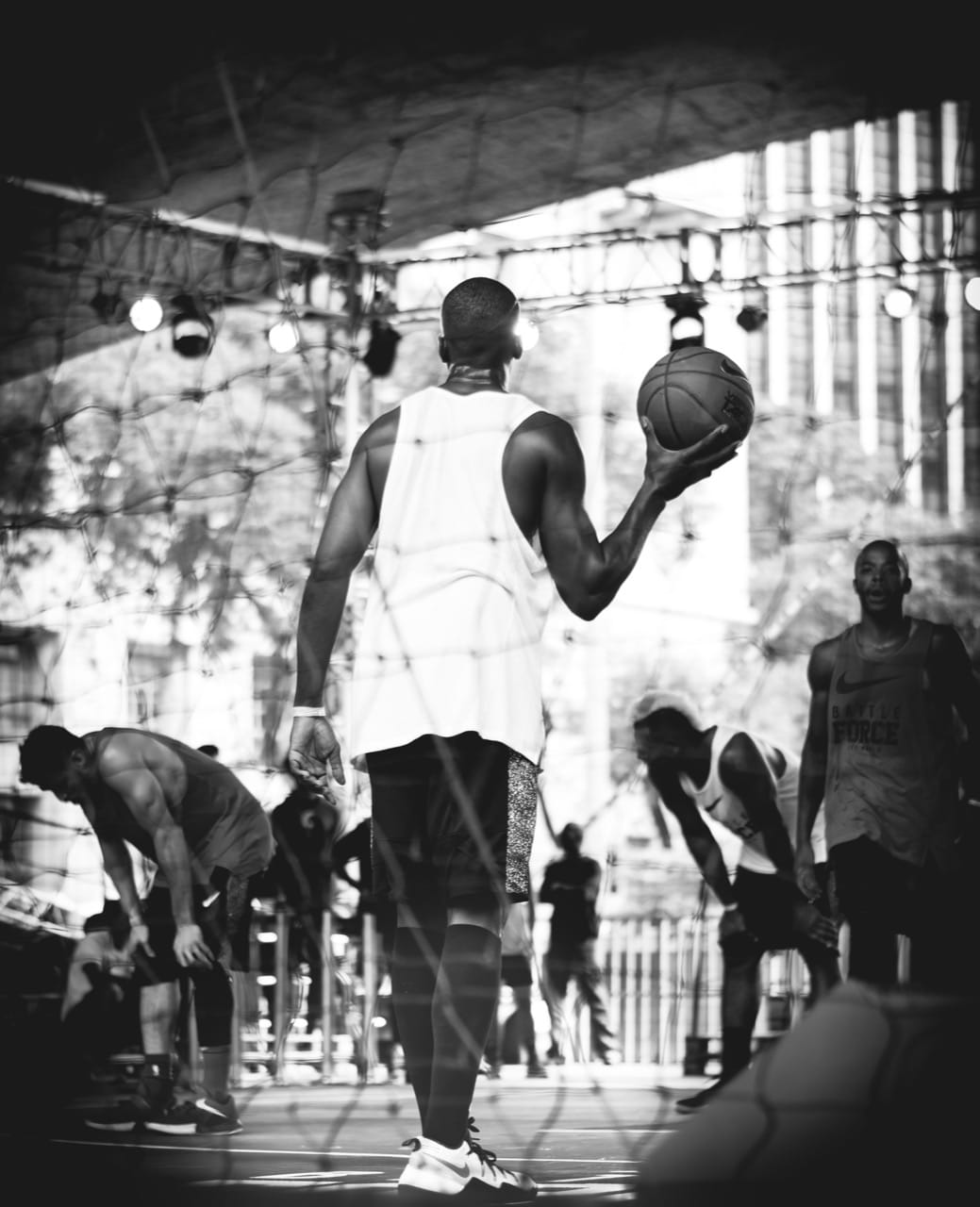
If you close your eyes and think of 1990s basketball, you can almost hear it: the pop of the net on a clean jumper, the thud of a hard foul in the paint, and the roar that followed a last second shot. The decade became a bridge between the rough, physical identity of earlier eras and the more open, perimeter driven style that would define the next generation. It also turned the NBA into a global entertainment engine, powered by unforgettable teams, stars, and moments that still show up in highlight reels today.
The 90s began with new faces at the top. The Detroit Pistons and their bruising Bad Boys style carried over from the late 80s, but the league soon shifted toward the Chicago Bulls. Michael Jordan and Scottie Pippen, guided by coach Phil Jackson and the triangle offense, created a dynasty that felt inevitable once it took hold. The Bulls won three straight titles from 1991 to 1993, stepped away from the throne during Jordan’s first retirement, then returned to win another three straight from 1996 to 1998. Along the way, Jordan collected MVPs and Finals MVPs and produced signature shots that became part of basketball language, including the last second jumper over Craig Ehlo and the iconic final make against Utah in 1998.
But the decade was never only about one team. The Houston Rockets seized the moment in the mid 90s behind Hakeem Olajuwon, whose footwork and timing made him one of the most complete centers ever. He anchored two championships in 1994 and 1995, including a title run that featured clutch scoring and elite defense. In the West, the Utah Jazz with Karl Malone and John Stockton became a model of consistency, running pick and rolls with precision and reaching the Finals twice. The New York Knicks, Indiana Pacers, and Miami Heat battled through a rugged Eastern Conference where playoff games often felt like wrestling matches with a scoreboard.
The 90s also expanded the league’s map and identity. New franchises like the Orlando Magic, Minnesota Timberwolves, Toronto Raptors, and Vancouver Grizzlies arrived, and with them came new fan bases and new stars. Shaquille O’Neal entered the league like a force of nature, while Penny Hardaway helped make Orlando a marquee team. Later, a teenage Kobe Bryant and a fearless Allen Iverson signaled a shift in style and culture, bringing flair, creativity, and a new relationship between players and the spotlight.
League rules and strategies were evolving in real time. The three point line was briefly moved closer in the mid 90s, which boosted scoring and changed shot selection, before being returned to its original distance. Hand checking on the perimeter still allowed defenders to be more physical than today, which is one reason many 90s games looked slower and more contact heavy. At the same time, teams began to value spacing and versatile scoring more, setting the foundation for modern offenses.
Awards and milestones from the decade read like a Hall of Fame roll call. Jordan, Olajuwon, Malone, and David Robinson traded MVP honors, while defensive awards highlighted the era’s obsession with stops and toughness. The Dream Team’s impact from the early 90s helped turn NBA players into global icons, and by the end of the decade the league’s stars were not just athletes but brands.
What makes 90s basketball so quiz friendly is that the essentials are vivid: dynasties, rivalries, iconic arenas, and buzzer beaters that felt like shared memories. Even role players could become legends for a single shot or a single series, and the decade’s mix of power, drama, and personality still defines how many fans imagine the NBA at its most intense.