Cathode to Cable 90s TV Tech Trivia Xtreme Edition







Quiz Complete!
Cathode to Cable: How 1990s TV Technology Quietly Changed Everything
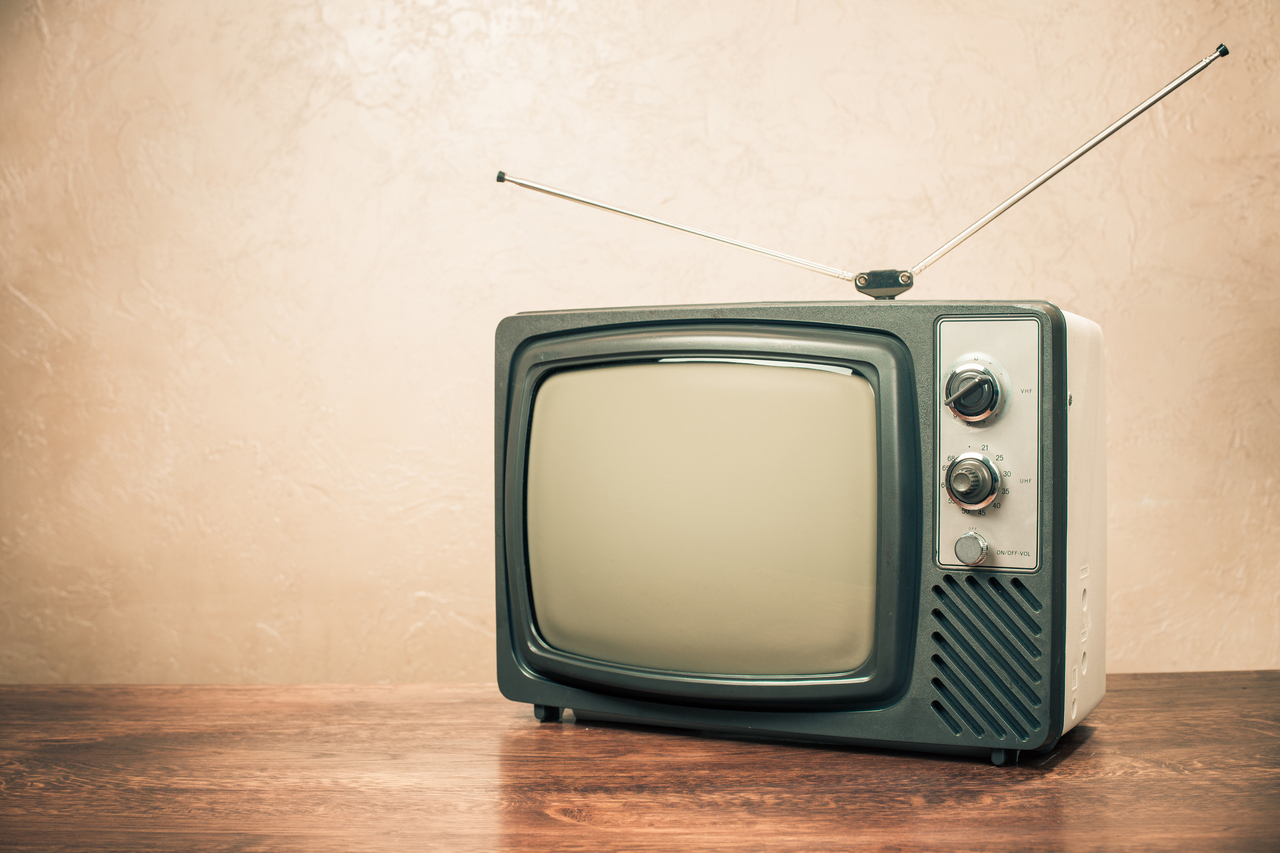
In the 1990s, most televisions were still bulky CRT boxes, but the way TV worked was undergoing a major behind the scenes upgrade. A CRT, or cathode ray tube, created an image by sweeping an electron beam across phosphors on the screen. That scanning process shaped everything from picture sharpness to the familiar flicker of interlaced video. Standard broadcast TV in North America used 480i, meaning 480 lines shown in two alternating fields. It was efficient for analog transmission, but it also produced artifacts like jagged edges on motion and that slightly unstable look you might remember on fine patterns.
One of the biggest shifts was the slow march toward widescreen. Movies had long been wider than the old 4:3 TV shape, so home viewers got used to black bars or awkward pan and scan edits. During the 1990s, 16:9 emerged as the compromise aspect ratio for the coming HDTV era. Even before most people owned a widescreen set, the standard was being baked into production and engineering decisions, helping prepare the industry for a future where TV could look more like cinema.
The decade also saw the early, sometimes confusing birth of HDTV and digital broadcasting. In the US, competing proposals eventually led to the ATSC standard, which supported multiple formats including 720p and 1080i. Those numbers mattered because they signaled a move to progressive scanning for smoother motion in some cases, and far higher resolution overall. But digital TV was not just about more pixels. It depended on squeezing video into limited spectrum, which is where compression became the star of the show. MPEG 2, the workhorse codec of the era, made digital cable, satellite TV, and DVDs practical by reducing data rates while keeping acceptable quality. It was not magic, though. Push the compression too hard and you got blocky artifacts and smearing during fast action, a new kind of flaw that replaced analog snow and ghosting.
On the consumer side, the 90s were full of format debates. VHS remained dominant because it was cheap and recordable, even though its resolution was modest and its color was soft. LaserDisc offered much better picture and sound, plus convenient chapter skipping, but discs were large, players were pricey, and recording at home was not part of the deal. Near the end of the decade, DVD arrived and quickly changed expectations with digital video, compact discs, and extras, while also making component and progressive scan outputs more desirable.
Cables and connectors became a surprisingly big deal. Many people started with RF coax, where everything was squeezed onto a single channel like 3 or 4, then moved to composite video with the familiar yellow plug. S Video separated brightness and color to reduce dot crawl and color bleeding. Component video went further by splitting the signal into luma and color difference channels, enabling cleaner color and supporting higher bandwidth formats like 480p and early HDTV. Suddenly, the back of your TV could look like a small science project, and choosing the right input actually mattered.
Audio improved too. Stereo TV broadcasts became more common, and home theater grew with Dolby Surround and later Dolby Digital via DVD and some digital broadcasts. Meanwhile, the V chip and TV ratings system reflected a new awareness that technology could filter content, not just deliver it. Add in universal remotes, on screen menus, closed captions, and the everyday ritual of fighting rabbit ears or setting a VCR clock, and the 1990s become a bridge between old school analog habits and the digital TV world that followed. The screens were still curved, but the future was already being encoded.