Galloping Curiosities: A Quiz on Equine Oddities and Legends





Quiz Complete!
Galloping Curiosities: Exploring the Oddities and Legends of Horses

Horses have raced alongside human history for thousands of years, leaving hoofprints in our stories, science, and daily lives. They carried warriors into battle, pulled heavy loads across continents, and later became partners in sport and leisure. Today, we may see them more often in movies, racetracks, or quiet pastures than on battlefields, but their power to fascinate has not faded.
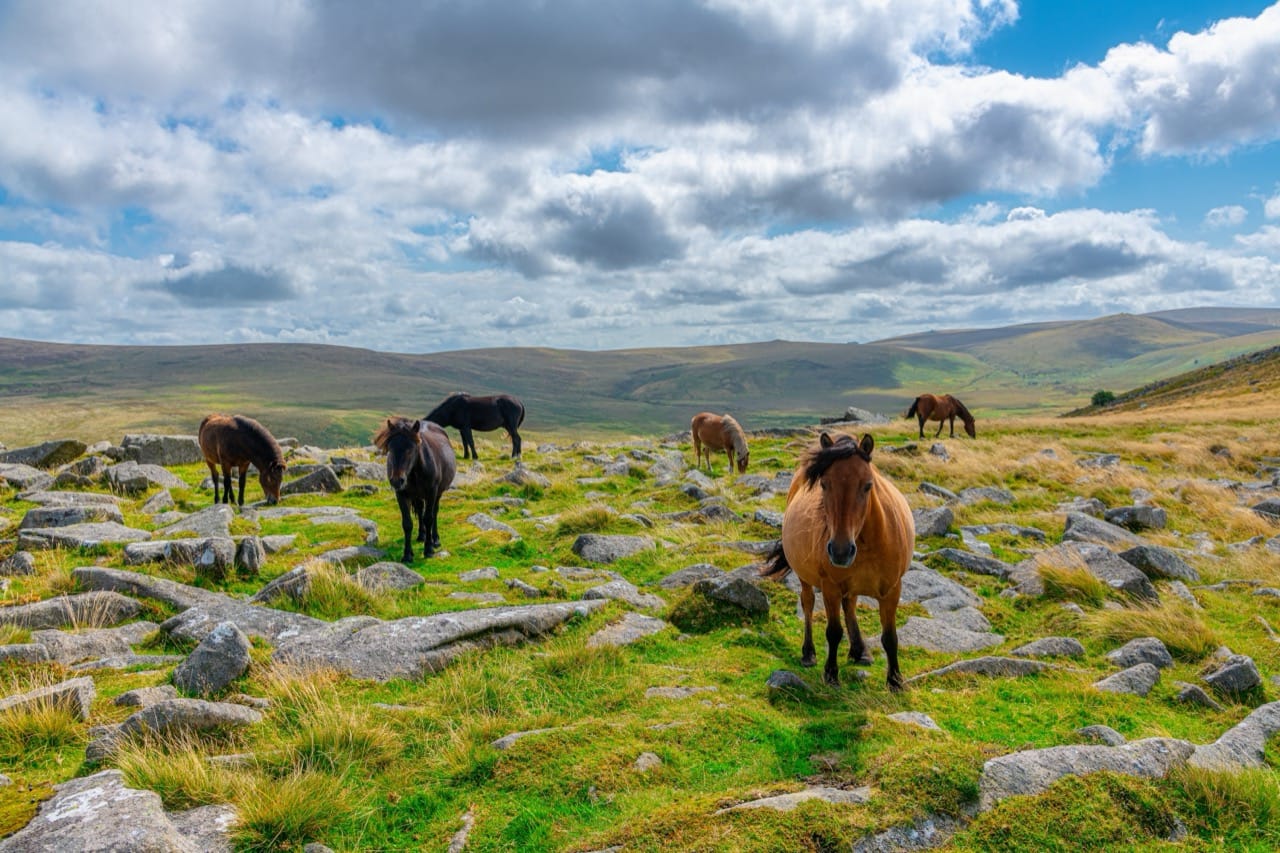
One of the most striking things about horses is their incredible range of types and talents. Draft horses such as Shires and Clydesdales are living heavy machinery, able to pull loads that far exceed their own weight. In contrast, sleek Thoroughbreds and Arabians are built for speed and endurance, their light frames and powerful lungs suited to racing across long distances. Mountain and pony breeds, often shorter and sturdier, are surefooted specialists that can navigate rocky terrain where vehicles struggle.
Equine biology offers its own set of curiosities. A horse’s eyes are among the largest of any land mammal, positioned on the sides of the head to give a wide field of vision. This helps them notice potential danger, a useful trait for a prey animal. Their color vision is limited compared with humans, but they are very sensitive to movement. Their ears swivel like radar dishes, capturing sounds from many directions, and their sense of smell helps them identify other horses, people, and even changes in their environment.
Speed and stamina are another area where horses shine. A galloping racehorse can reach speeds over 40 miles per hour, while endurance horses may cover 100 miles in a single day under careful management. Yet raw speed is only part of the story. Training, nutrition, and careful grooming all contribute to a horse’s performance and health. Grooming is more than brushing a pretty mane. It stimulates circulation, keeps skin healthy, and allows handlers to find early signs of injury or illness.
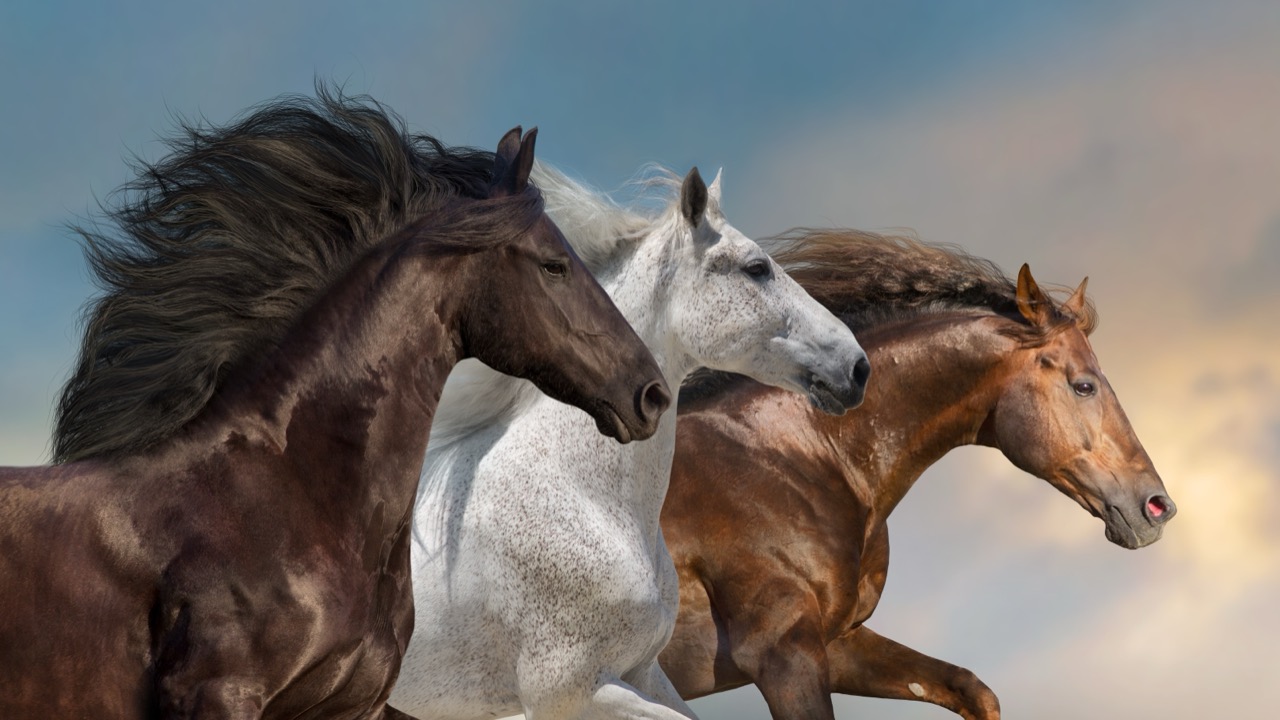
Horse colors and markings add even more variety. From glossy black and rich chestnut to dapple gray and golden palomino, coat colors often come with interesting genetic twists. Some patterns, like the spotted coats of Appaloosas or the bold patches on pintos, have become closely associated with certain cultures and histories. These colors and patterns once carried practical meaning too, helping riders recognize their horses in large herds or chaotic battles.
Beyond the physical, horses stand tall in myth and legend. Many cultures tell stories of supernatural steeds, from winged horses to ghostly mounts that appear in storms or on lonely roads. These tales reflect the awe people feel when they see a powerful animal move with such speed and grace. Even our language carries echoes of the bond between humans and horses, in phrases like holding your horses or putting the cart before the horse.
Whether you are a seasoned rider, a casual admirer, or simply curious, exploring equine oddities and legends reveals an animal that is both familiar and endlessly surprising. From anatomy to folklore, horses continue to capture imagination, inviting us to learn more each time we hear hoofbeats in the distance.