Gimmicks, Grabs, and Gear 1990s Wrestling Quiz







Quiz Complete!
Gimmicks, Grabs, and Gear: How 1990s Wrestling Reinvented the Playbook
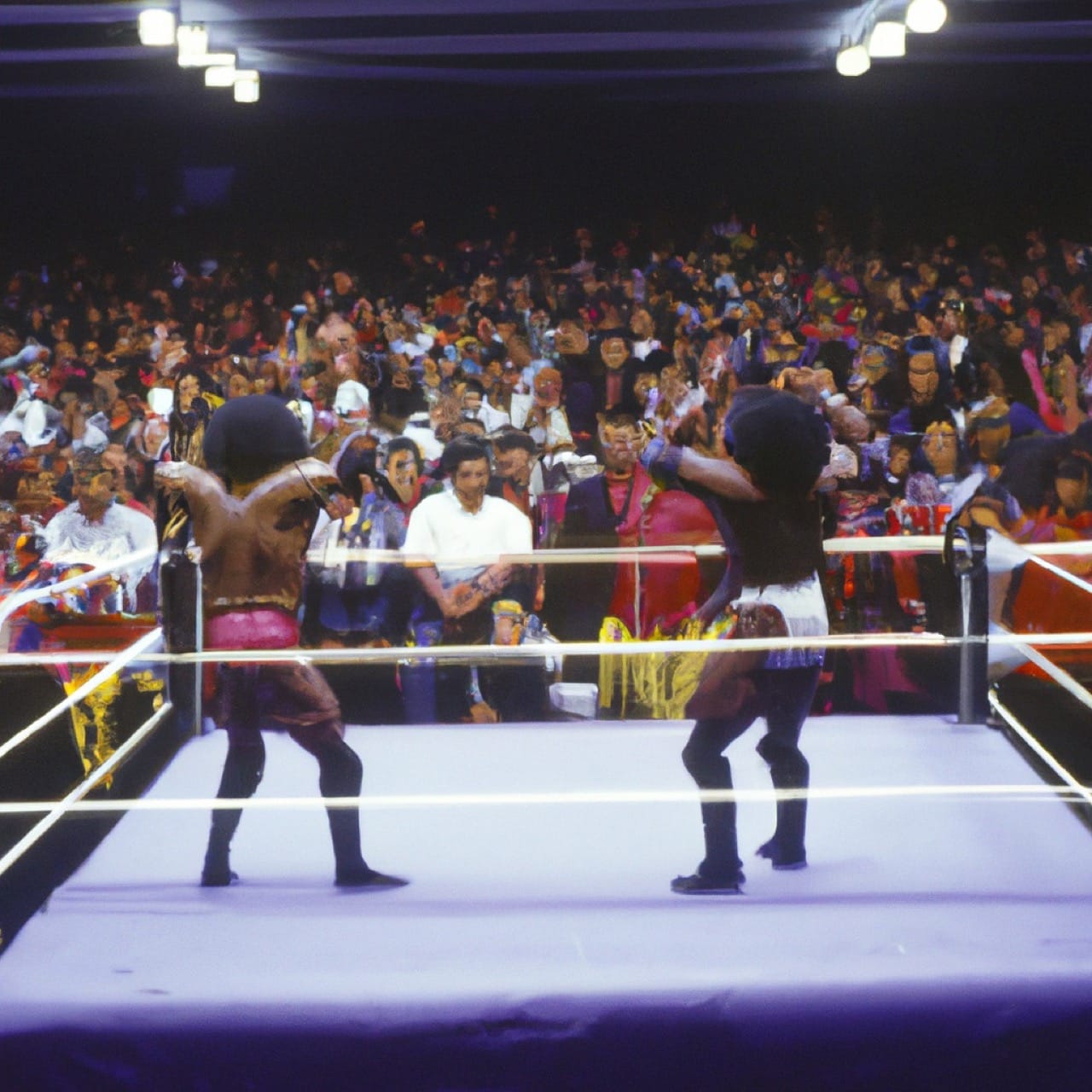
The 1990s were a turning point for wrestling because the decade treated the ring like a testing ground. Promotions searched for new ways to keep audiences surprised, while coaches and athletes in amateur wrestling refined training and analysis in ways that still shape the sport today. If earlier eras were defined by established formulas, the 90s were defined by experimentation, sometimes messy, often thrilling, and occasionally dangerous.
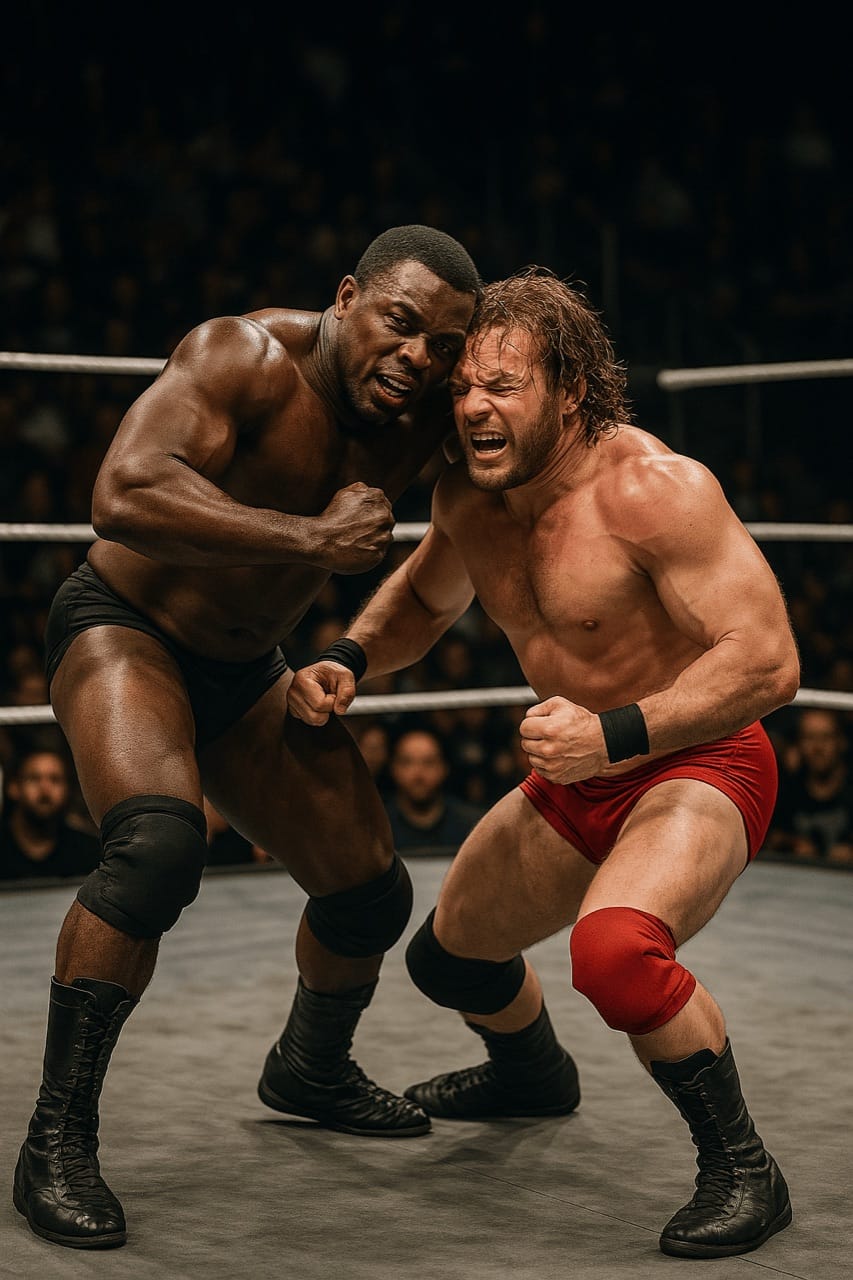
One of the biggest shifts in pro wrestling was the rise of stipulation-heavy matches designed to create unforgettable visuals. Ladder matches moved from novelty to centerpiece, using the simple idea of a prize hanging above the ring to create constant motion and escalating risk. The format encouraged creative problem solving: wrestlers had to time climbs, sell falls, and build suspense around near grabs. Around the same time, hardcore rules became a brand identity for certain promotions, with weapons and brawling spilling into the crowd. This changed the rhythm of matches. Instead of a steady progression of holds, performers built sequences around improvisation, environment, and shock value. It also forced companies to think about safety in new ways, from how ringside areas were laid out to how referees and producers managed chaos.
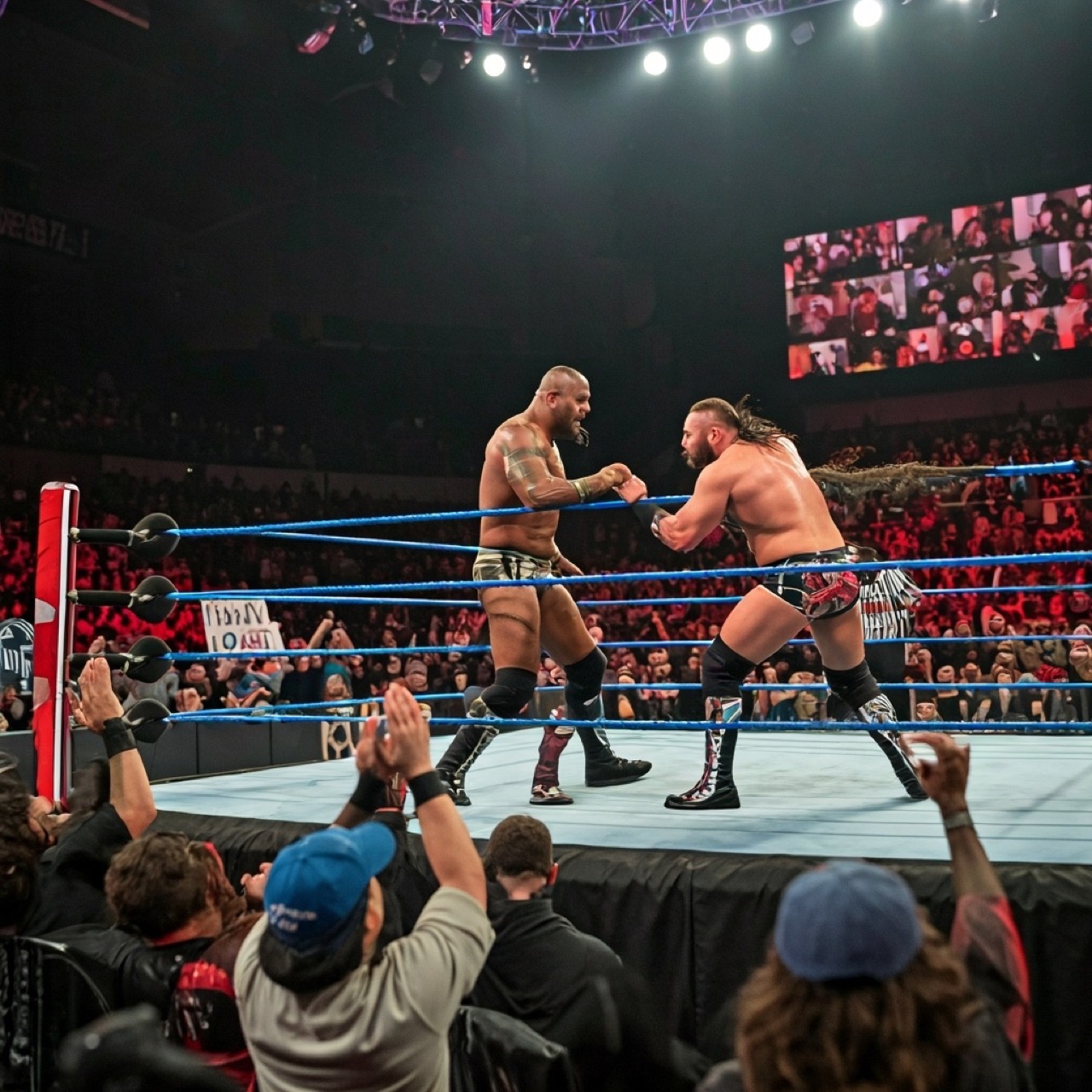
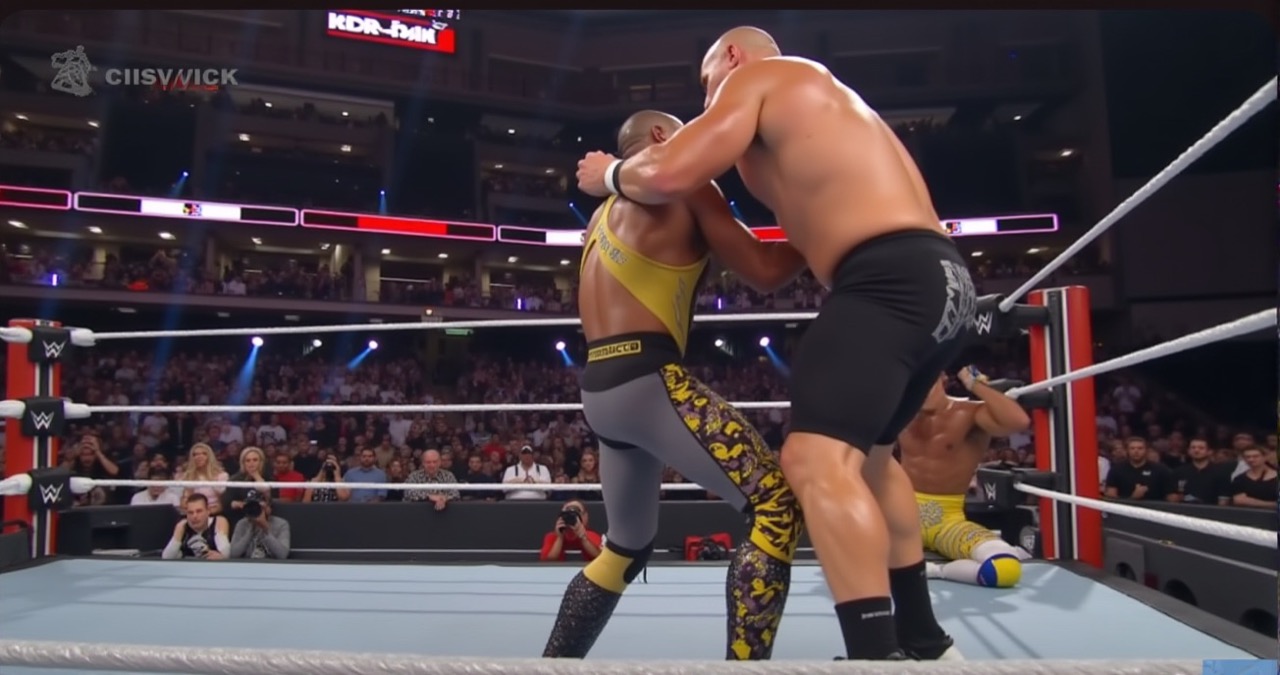
Presentation evolved just as quickly. Entrances became mini music videos performed live. Theme songs, lighting, and pyro turned wrestlers into instantly readable characters before they even locked up. Live television pacing tightened, with more emphasis on quick cuts, backstage segments, and cliffhanger endings that pushed viewers to stay through commercial breaks. The Monday night ratings battles rewarded promotions that could make every segment feel urgent, and that urgency reshaped match structure. Wrestlers learned to hit signature moments at planned times, producers learned to build to the top of the hour, and commentary became a key tool for guiding the audience through rapid shifts.
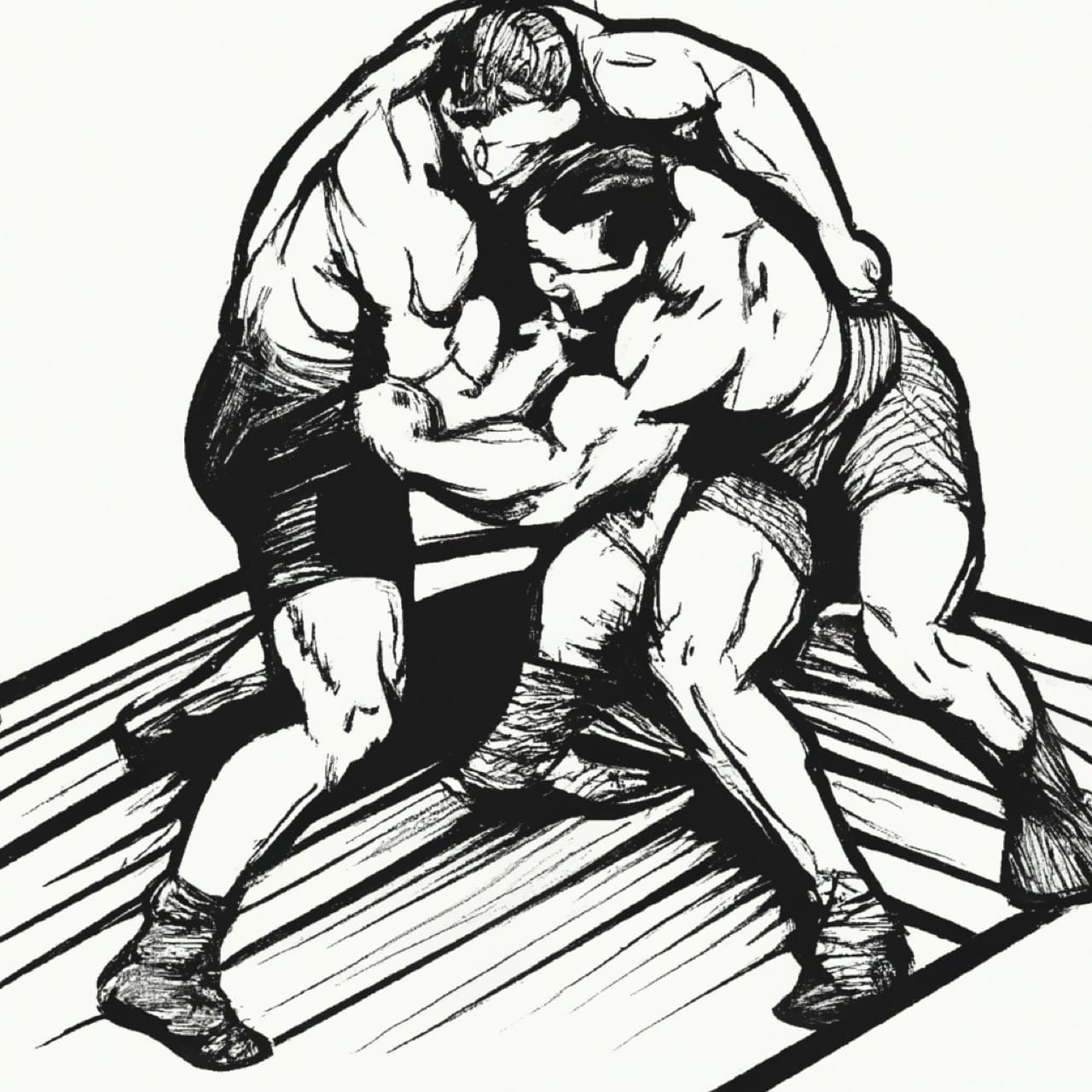
Behind the scenes, training methods modernized. Weight training and conditioning became more specialized, and many performers cross-trained in legitimate combat sports, borrowing footwork, clinch ideas, and submission concepts that later blended into more realistic styles. Amateur wrestling was going through its own refinements, with greater attention to sports science, periodized conditioning, and the early spread of video analysis. Coaches increasingly used film to break down stance, hand fighting, and shot setups, turning what used to be “feel” into something athletes could study frame by frame. Tournament formats and rule tweaks also influenced strategy, pushing wrestlers to manage energy across multiple matches and to think carefully about when to attack versus when to protect a lead.
Safety conversations grew louder across both worlds. In pro wrestling, the physical demands of harder bumps and more dangerous stunts made injury prevention a bigger part of planning, even if standards varied widely. In amateur wrestling, equipment and mat standards continued to improve, and officiating emphasis on potentially dangerous positions reflected a broader effort to reduce catastrophic injuries. Even when the decade’s most famous moments celebrated risk, the long-term lesson many took from the 90s was that innovation had to be balanced with sustainability.
What makes 1990s wrestling so memorable is not just any single match type or superstar, but the feeling that the rules of the game were being rewritten in real time. The decade’s gimmicks, grabs, and gear were more than trends. They were experiments that reshaped how wrestling was performed, trained for, filmed, and watched, leaving a toolkit that the next generations would keep refining.