Global 90s Country Music Culture Quiz Brain Buster Edition








Quiz Complete!
When 90s Country Music Went Global: Radio Hits, Dance Floors, and Stadium Dreams

The 1990s turned country music into a worldwide pop culture force. Nashville was still the engine, but the decade’s sound and style traveled far beyond the American South, carried by booming radio syndication, nonstop music television, and tours that looked more like rock spectacles than honky tonk nights. For many listeners, 90s country became a shared soundtrack for road trips, weddings, and late nights in bars, even in places where cowboy boots were more costume than daily wear.
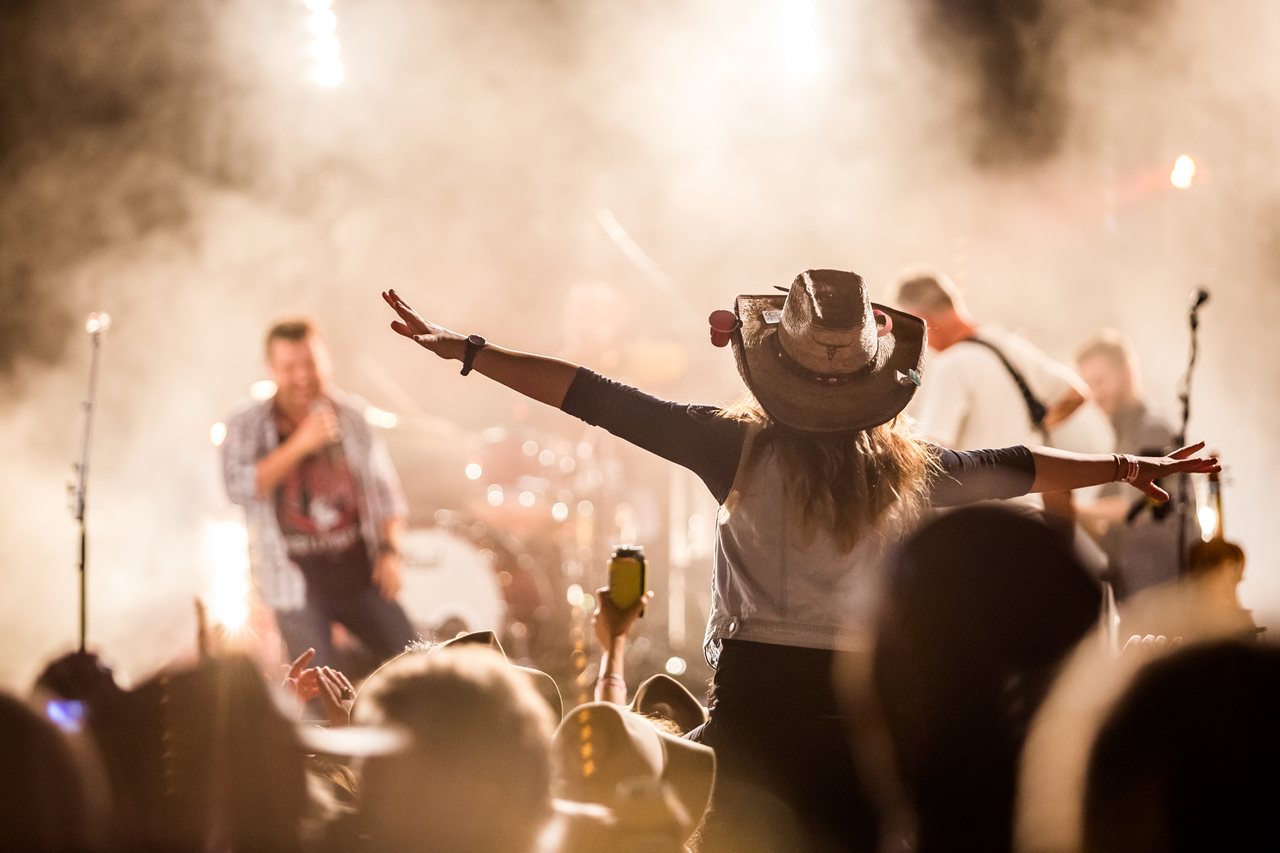
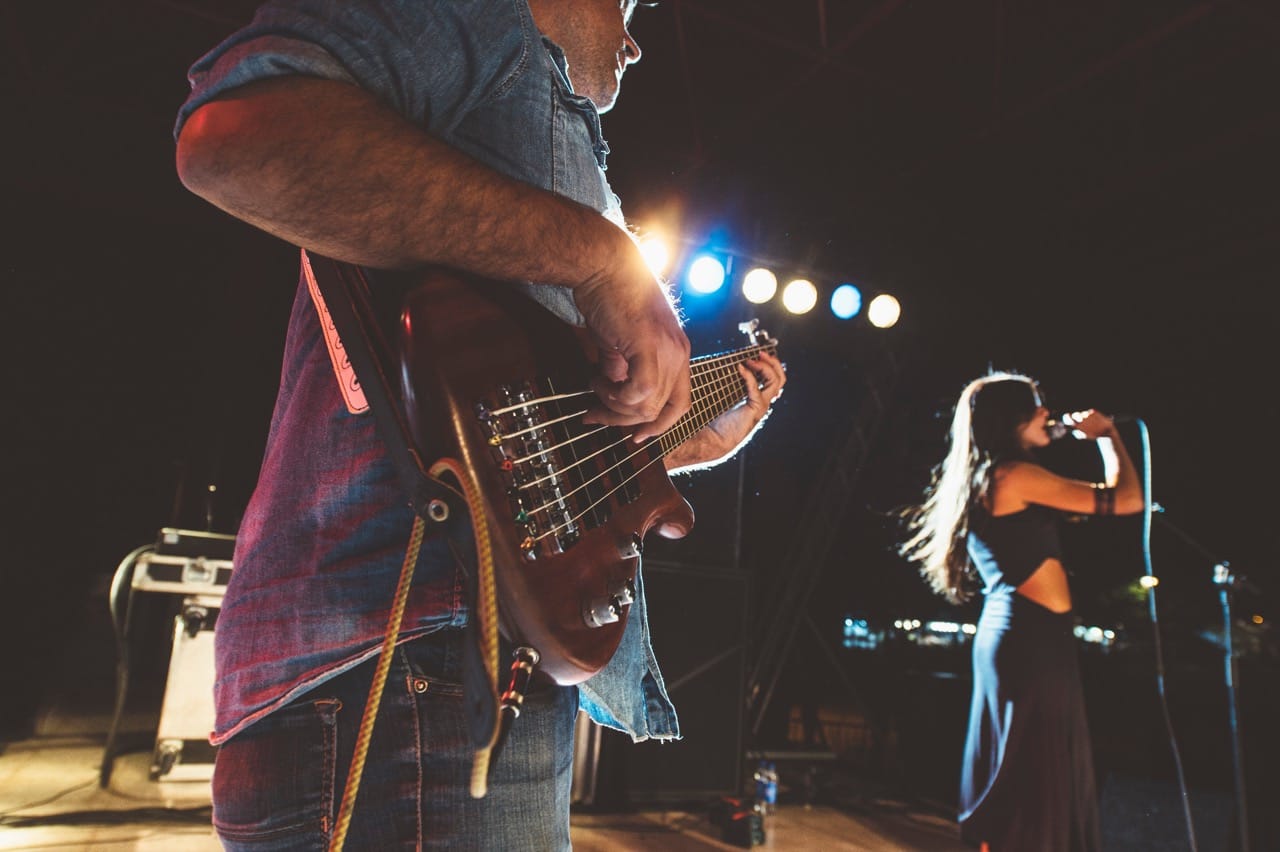
A big reason was the rise of artists who balanced tradition with arena-ready hooks. Garth Brooks set the template for the modern stadium country show, selling out huge venues and proving that country could compete with the biggest acts in any genre. Shania Twain pushed the crossover boundary even further, blending country storytelling with pop polish and helping country music feel at home on mainstream charts around the world. Reba McEntire, Alan Jackson, George Strait, and Clint Black kept classic themes alive while still benefiting from the decade’s slicker production and expanded media reach.
Songs became cultural signals as much as radio entertainment. Some were instantly recognizable anthems, built for singalongs and communal moments. Others were emotional ballads that crossed over because the stories felt universal, even to people unfamiliar with the genre’s roots. The decade also produced unforgettable duets and collaborations that broadened country’s audience by linking it to pop and adult contemporary listeners.
Television played a major role in making the era feel global. Country Music Television and other music channels turned videos into weekly rituals, and award shows became major events where fashion, celebrity, and live performance shaped what fans expected from the genre. Sitcom appearances, late-night performances, and movie soundtracks helped country stars become household names. Even people who did not buy albums could still recognize the faces, the hats, and the big choruses.
Then there were the dance floors. Line dancing was more than a fad; it was a social technology. A simple set of steps could turn strangers into a group, whether in a Texas dance hall, a suburban community center, or a themed club overseas. Certain songs became instructions as much as music, with dances passed along by friends, bartenders, and local teachers. That community aspect helped country travel well, because you did not need a deep knowledge of American geography to join in. You just needed to follow the beat and watch the person next to you.
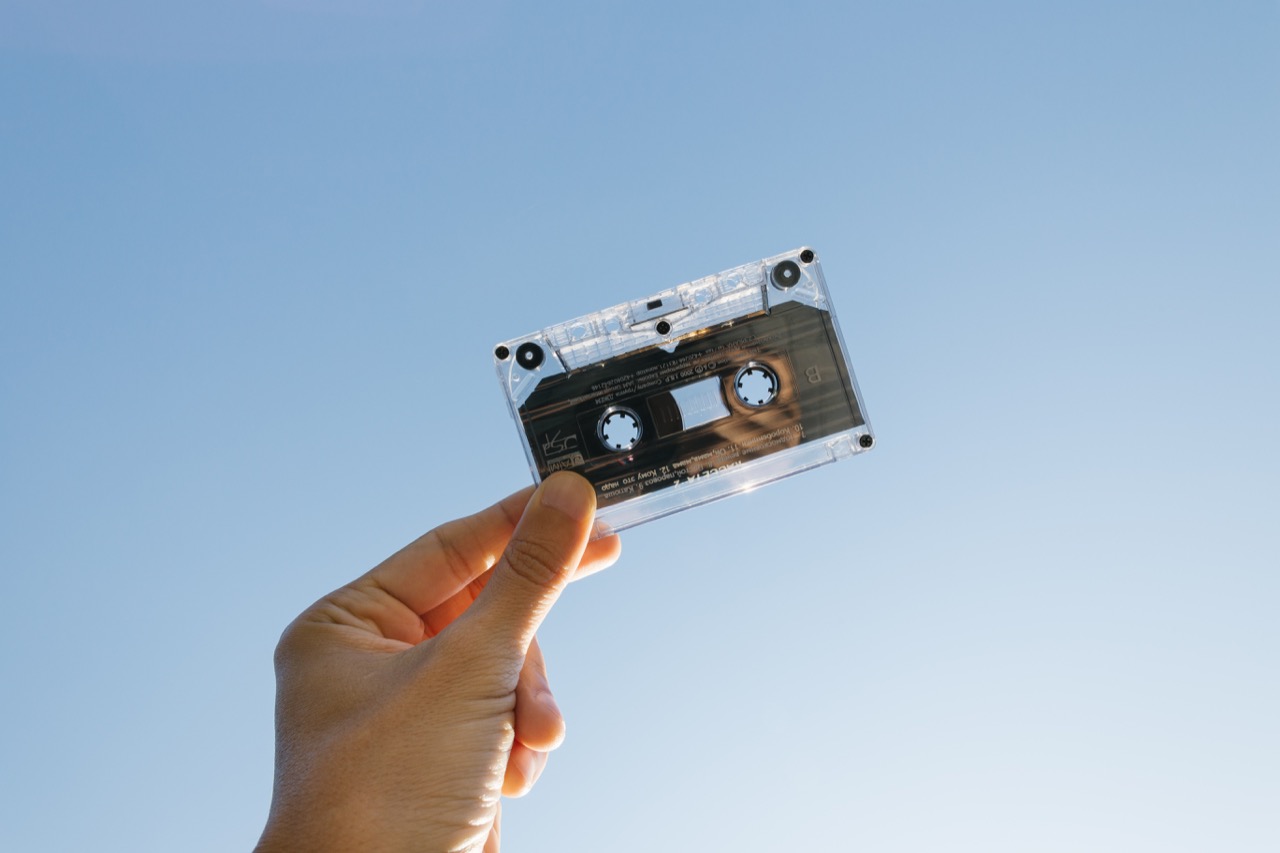
Formats mattered too. The 90s were the age of the cassette single and the CD boom, when people built collections one purchase at a time. Fans recorded songs off the radio, rewound tapes until they wore out, and memorized album track lists. That physical relationship with music made the era feel personal, and it helped create strong memories that quizzes can tap into years later.
By the end of the decade, country music had become bigger, broader, and more global without losing its core appeal: stories about everyday life, delivered with a voice that sounds honest. Whether you first heard these hits through CMT, a wedding DJ, or a long drive with the radio on, 90s country left behind a set of songs and rituals that still connect people across borders.