Grapple Glossary 1990s Wrestling Styles Quiz





Quiz Complete!
A Field Guide to 1990s Pro Wrestling Styles and Match Types
Pro wrestling in the 1990s felt like channel surfing through different sports. One night could feature a technical chess match, a sprint full of flips, a gritty fight with chairs, and then something that looked almost like a real contest. Fans who traded tapes learned a new vocabulary fast, because each region emphasized its own rhythm, rules, and ideals.
Japan’s influence loomed large through what many fans call strong style, a hard-hitting approach built around stiff strikes, big throws, and an athletic seriousness. Promotions like New Japan popularized long, escalating matches where selling and endurance were key, and where a single lariat or kick could change the whole story. All Japan offered a related but distinct flavor often labeled King’s Road, known for epic main events, dramatic near falls, and a sense that wrestlers were building on past battles. In both cases, tournaments mattered. The G1 Climax in New Japan and the Champion Carnival in All Japan gave structure to rivalries and rewarded consistency, making the results feel like a sports season rather than random chaos.
Shoot style and shoot-inspired wrestling added another layer of realism. In promotions like UWFi and groups connected to the growing MMA scene, matches leaned into grappling, submissions, and the idea that a bout could be decided by a clean finish rather than theatrical interference. Even when outcomes were still predetermined, the presentation aimed for credibility, with rope escapes, point systems, and an emphasis on holds and counters. This approach helped shape the “worked shoot,” where wrestlers blended real-looking struggle and controversy into a storyline, sometimes blurring the line so well that audiences argued about what was legitimate.
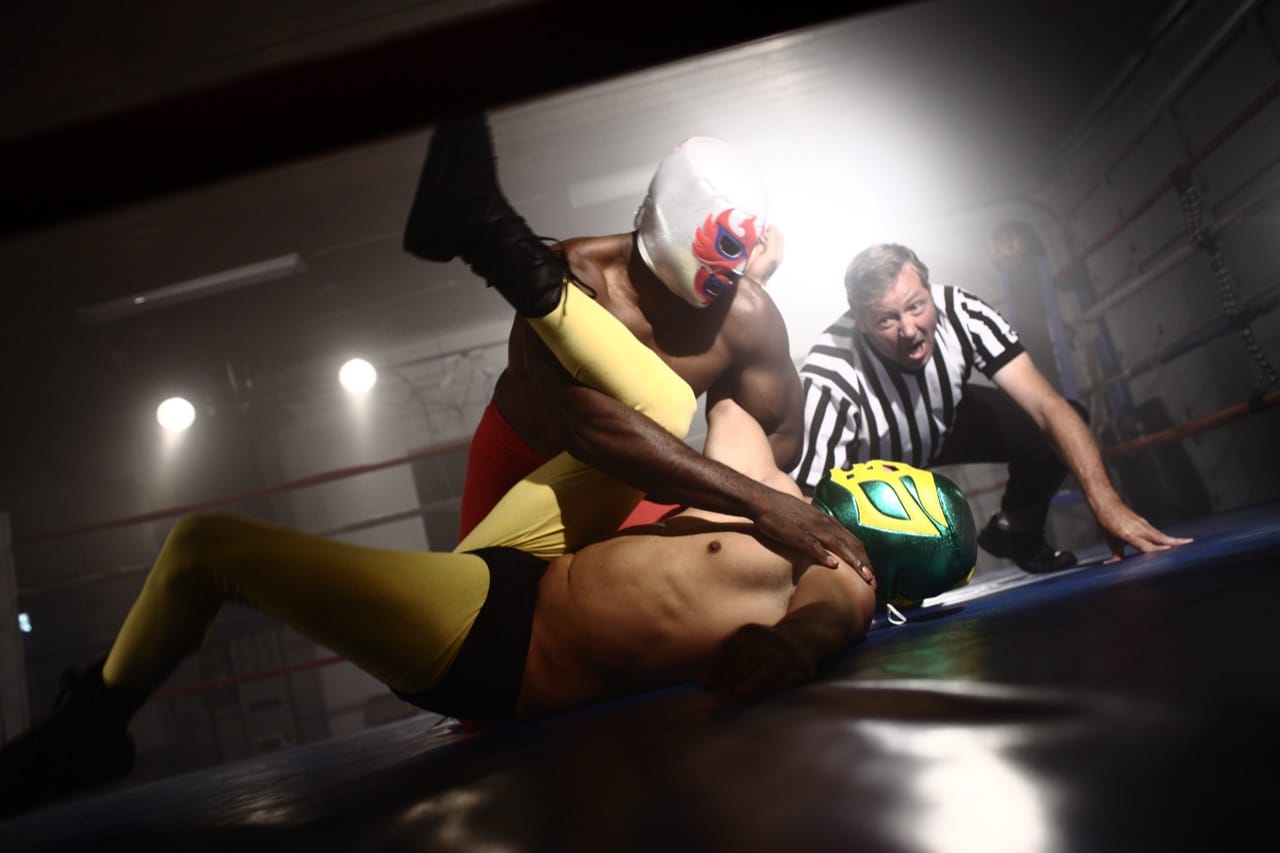
Mexico’s lucha libre brought a different kind of electricity. Lucha often moved at a faster tempo, mixing crisp mat work with aerial attacks and creative escapes. Masks and identity were central, which is why lucha de apuestas, or “bet matches,” carried such emotional weight. In a mask vs mask or mask vs hair match, the stakes were personal and permanent, turning a rivalry into a career-defining moment. Lucha also kept tag wrestling fresh with trios matches, featuring three-person teams and rapid exchanges that felt like choreographed chaos. The rudo and tecnico dynamic, roughly villain and hero, was often clearer than in the U.S., but the athletic spectacle could make anyone a crowd favorite.
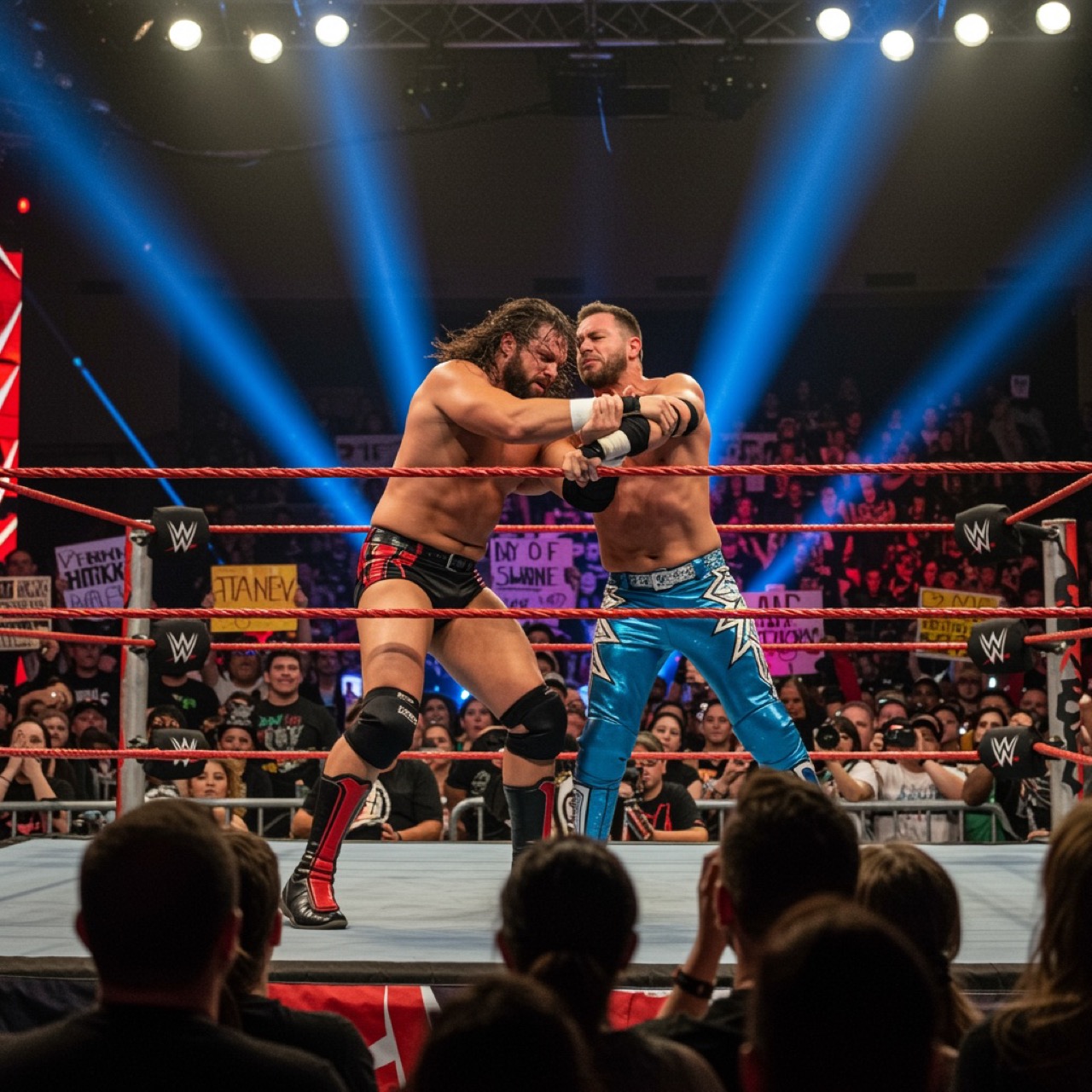
In the United States, styles collided more openly than ever. Traditional territory pacing still existed, but the decade’s big shift was the rise of extremes. Hardcore wrestling, popularized in places like ECW, treated the environment as a weapon. Singapore canes, tables, and piled-up chairs became part of the language, along with match types like street fights and no disqualification bouts. A related branch was deathmatch wrestling, which pushed the violence further with barbed wire, thumbtacks, and other dangerous props, especially in Japan’s FMW and later in American indies. These matches weren’t just about shock; they relied on timing, toughness, and a different sort of storytelling where survival replaced strategy.
At the same time, cruiserweight and junior heavyweight wrestling showcased speed and innovation. WCW’s cruiserweight division brought lucha and global influences to mainstream American TV, while Japan’s junior heavyweight scene, highlighted by events like Best of the Super Juniors, emphasized rapid counters, springboards, and complex finishing sequences. The 1990s also loved special rules: cage matches to prevent interference, ladder matches built around climbing drama, and Iron Man matches that made endurance measurable.
What made the decade memorable was the way these styles mixed. A tape trader could watch a gritty brawl, then a technical clinic, then a lucha sprint, and recognize that each had its own logic. Learning the glossary is part of the fun, because every term points to a different promise: realism, spectacle, danger, tradition, or pure athletic invention.