Headlines and Heel Turns 90s Wrestling Scandals







Quiz Complete!
Headlines and Heel Turns: The Scandals That Defined 1990s Pro Wrestling
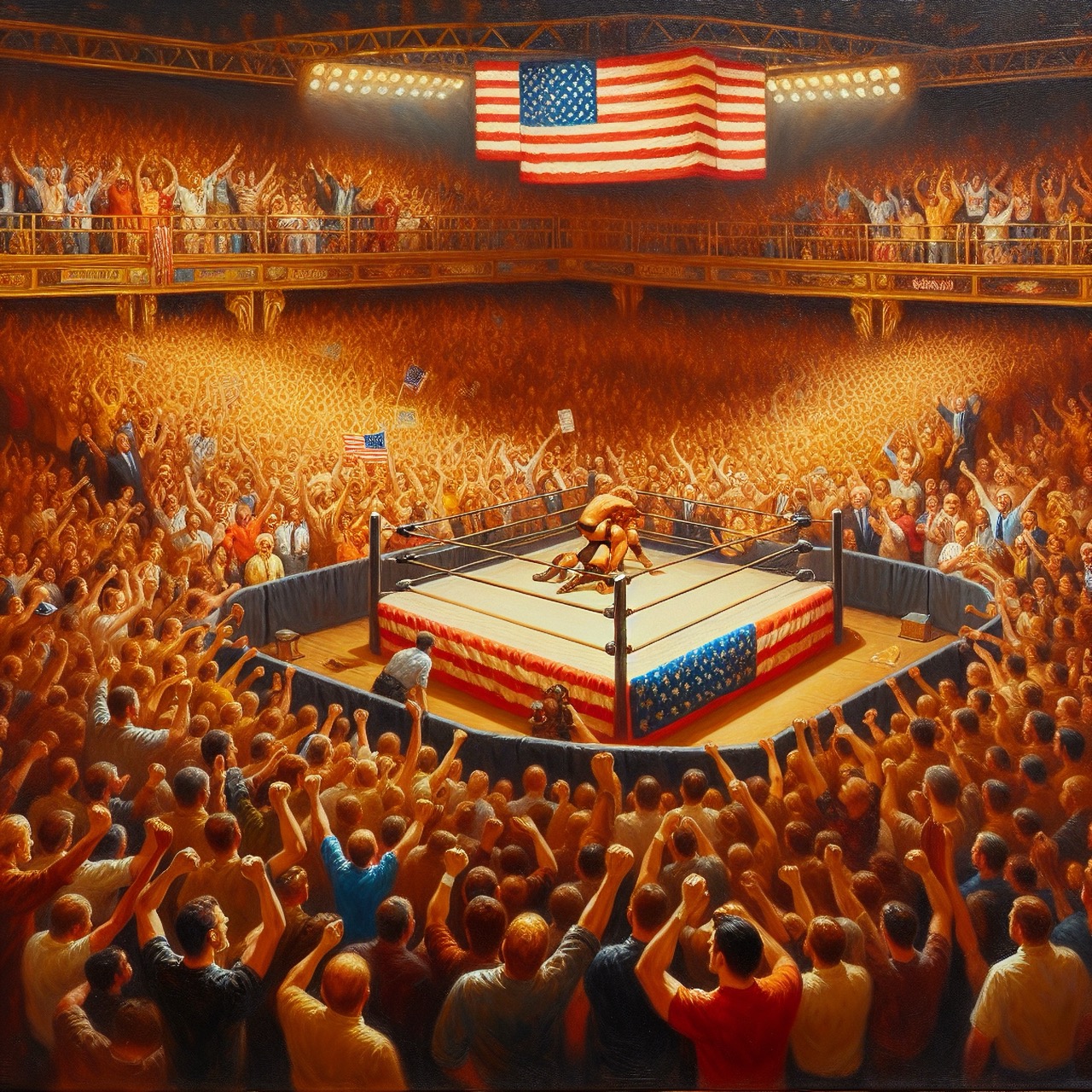
Pro wrestling in the 1990s thrived on the idea that anything could happen, and often the most dramatic moments were fueled by real tensions behind the curtain. The decade began with the industry still selling a clean, larger than life image, but it ended with wrestling openly blending reality and storyline, partly because scandal kept forcing the truth into public view.
One of the biggest early shocks was the steroid trial that put the leading promotion under federal scrutiny. The case did not end with a conviction, but it changed how wrestling presented itself. Muscles were still part of the look, yet the spotlight on drug use pushed companies to be more careful about wellness policies, medical testing, and what they encouraged talent to do to stay marketable. Around the same time, allegations about misconduct and a culture of silence damaged reputations and made sponsors and media partners more cautious. Even when stories were disputed, the message was clear: wrestling was no longer operating outside the mainstream eye.
As the Monday night wars heated up, backstage politics became part of the product. Wrestlers gained leverage through guaranteed contracts and rival offers, and that power sometimes exploded on live television. The most famous example is the Montreal Screwjob in 1997, when a championship match ended in a way the audience was not supposed to see coming, because the real dispute was about control, trust, and a performer leaving for the competition. The incident reshaped the industry by turning the promoter into an on screen villain and proving that real conflict could be the hottest storyline of all.
The decade also produced controversy through content. “Edgier” television brought more violence, more shock value, and more blurred lines between entertainment and harm. One of the most debated moments was the 1999 pay per view stunt where a wrestler was lowered from the ceiling and fell, suffering a career ending injury. It forced promoters to reconsider elaborate entrances and safety planning, and it remains a grim reminder that spectacle can carry real risk.
Tragedy struck repeatedly and left lasting scars. The death of a top star in 1997 changed storylines overnight and became a symbol of how physically and mentally demanding the job could be. Another death in 1999, involving a performer and a stunt gone wrong outside the ring, led to legal consequences and renewed questions about training, supervision, and the responsibility of companies that profit from dangerous personas.
Locker room fights and power plays were equally notorious. Rivalries were not always just for the camera, and reports of brawls, hazing, and politics over who would win or lose fed the perception of a chaotic workplace. At the same time, the business side became headline material: lawsuits over contracts, accusations of idea theft, and the aggressive tactics of talent raids. Even the rise of “worked shoots,” where performers referenced real disputes and insider terms, showed how the industry learned to monetize its own controversies.
By the end of the 1990s, wrestling had transformed. Scandals pushed companies to adopt more formal policies, rethink safety, and accept that fans were increasingly aware of what happened backstage. The era’s flashpoints still spark arguments because they were not just plot twists. They were moments when the curtain slipped, and the consequences were real.