Helmet Labs and Turf Tech 90s Quiz




Quiz Complete!
Helmet Labs and Turf Tech: The Quiet Engineering Boom of 1990s Football
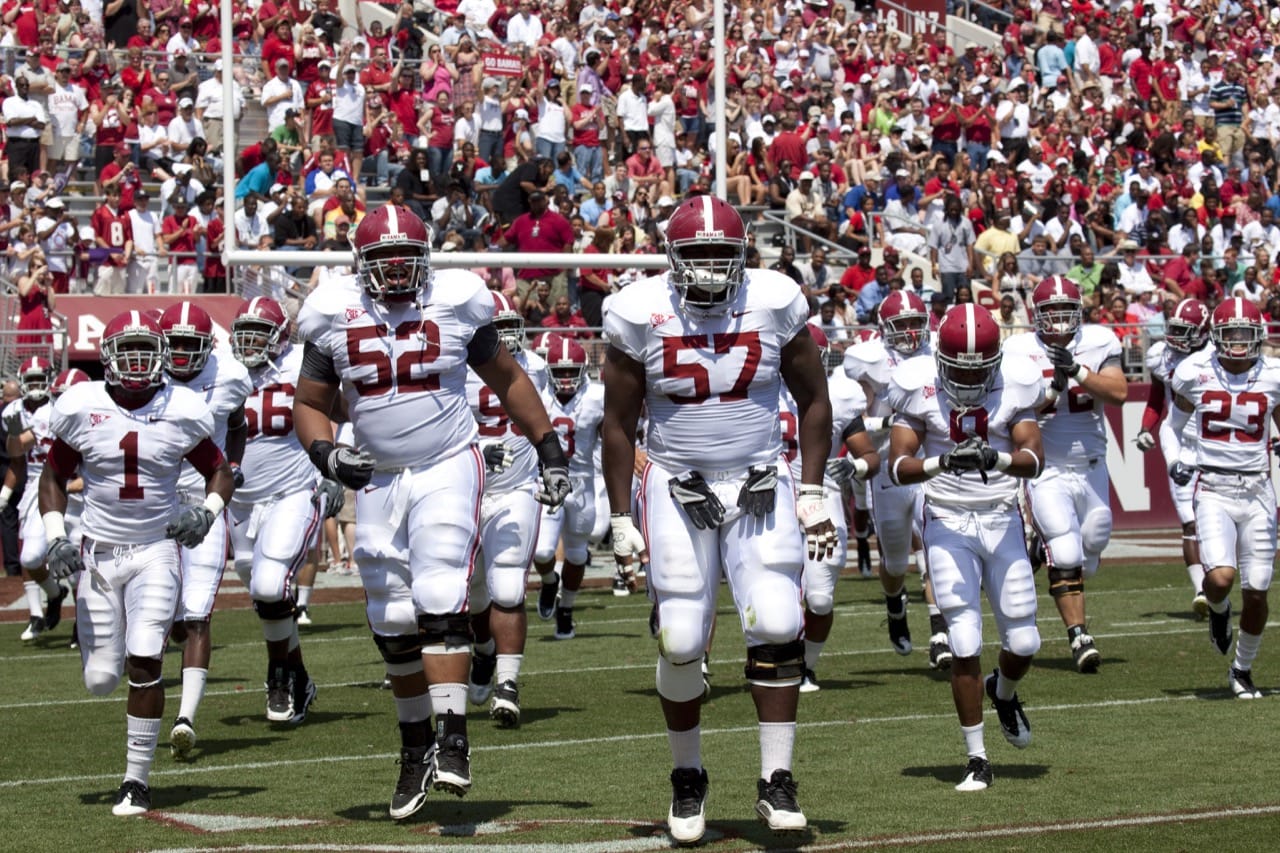
Sunday football in the 1990s felt like a familiar ritual, but the decade hid a steady stream of engineering changes that reshaped how the game was played, watched, and even studied. While highlight reels focused on big hits and bright uniforms, equipment designers, stadium builders, medical researchers, and broadcasters were turning football into a kind of rolling laboratory.
One of the biggest behind the scenes shifts was the spread of modern artificial turf systems. Earlier synthetic fields were often criticized for being unforgiving, with a carpetlike surface over a hard base. During the 90s, new generations of turf tried to better mimic grass by changing both the fibers and what sat underneath them. Designers experimented with longer pile, improved backing materials, and shock absorbing layers intended to reduce impact forces. The goal was to balance traction and speed with a surface that did not punish joints. Even then, teams debated tradeoffs: some players loved the consistent footing, while others blamed turf for burns and certain lower body injuries. The engineering challenge was not just softness, but how the field responded to cleats during cuts, stops, and pivots.
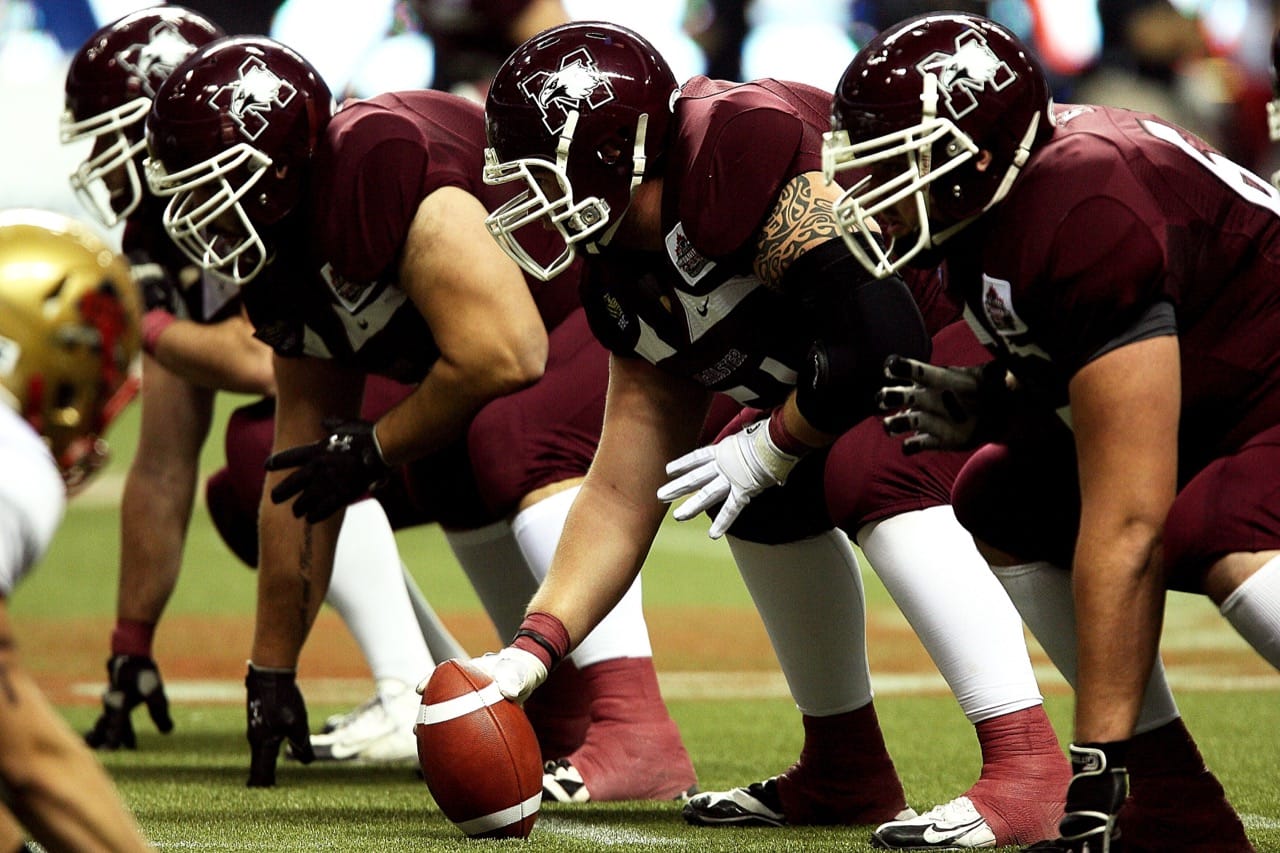
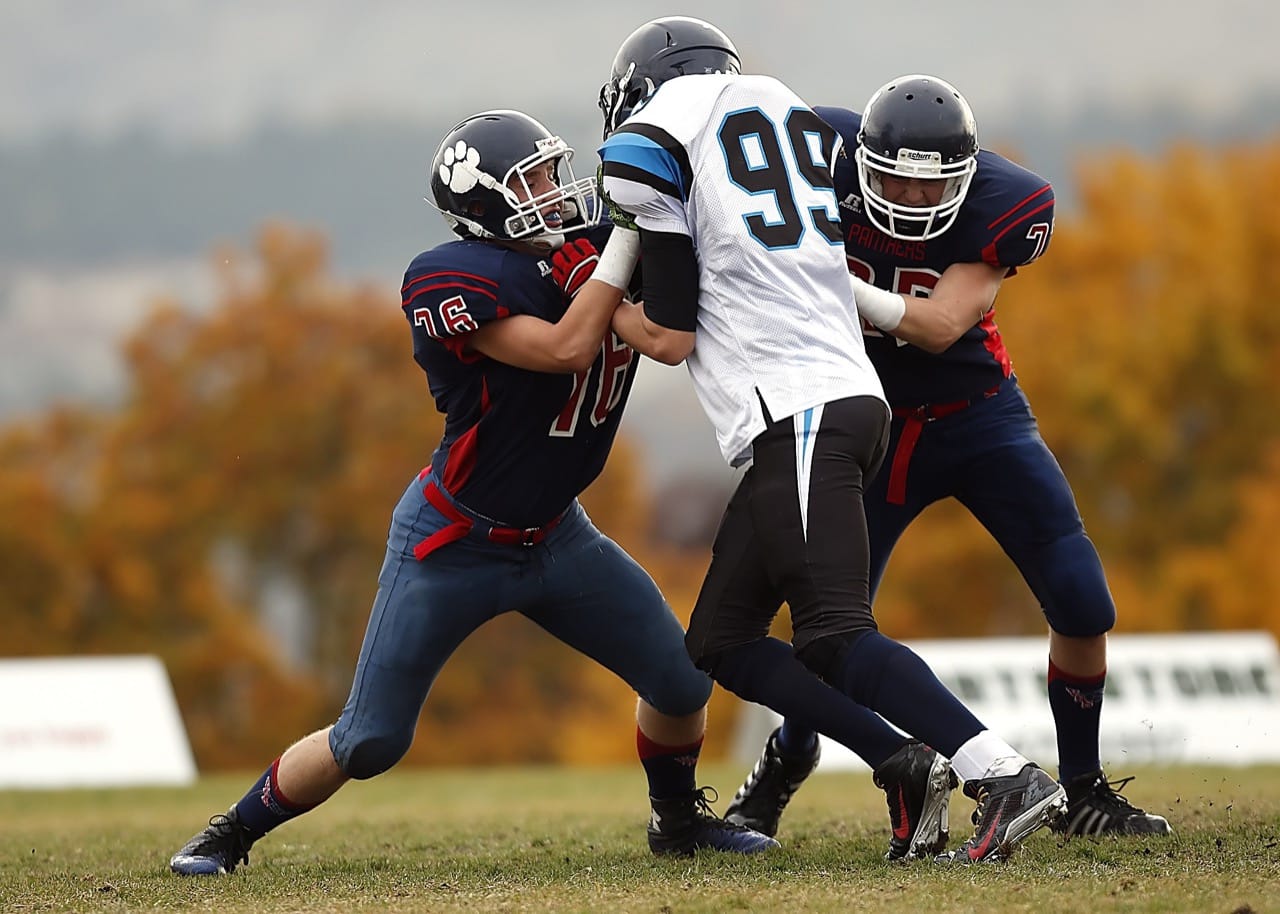
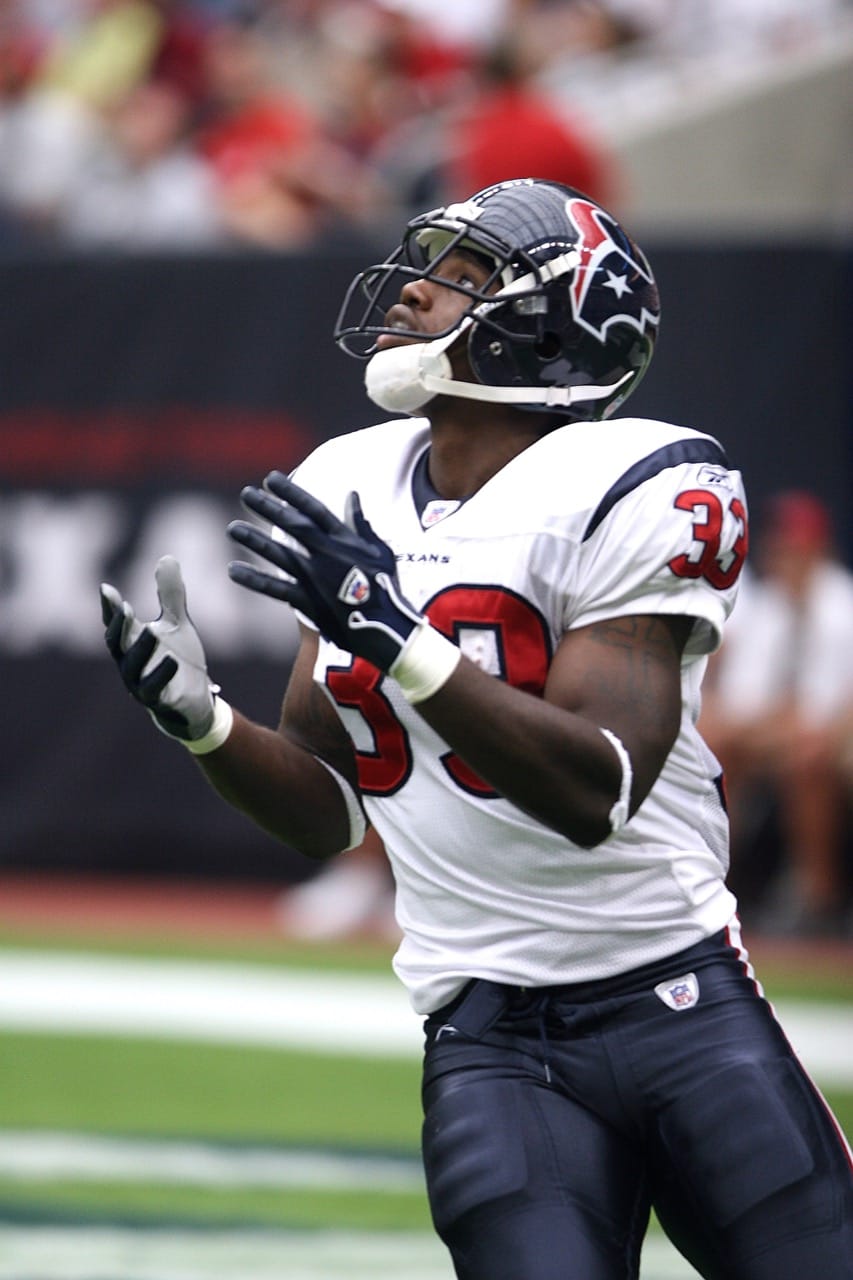
Equipment technology advanced in parallel. Helmets in the 90s were still dominated by hard polycarbonate shells, but the story was really inside, where padding systems evolved. Foam is not just foam: different polymers and structures manage energy differently, and designers mixed layers to handle both small routine impacts and occasional severe ones. Air bladders and inflatable liners became common, letting equipment staff fine tune fit. A better fit matters because a loose helmet can increase acceleration of the head during contact. Shoulder pads also changed, using lighter plastics and improved foams to spread force while reducing bulk. Players often remember the decade for heavy gear, but the trend line was toward weight reduction without giving up protection.
This was also a period when player safety began to be treated as a design problem rather than a simple toughness issue. Testing standards and lab methods improved, pushing manufacturers to measure impact performance more consistently. Medical attention to concussions grew, slowly at first, and rule changes began to reflect the idea that certain collisions were preventable through both technique and enforcement. The 90s did not solve the problem, but it helped set up the mindset that equipment, rules, and medical protocols all interact.
Meanwhile, data driven thinking crept into scouting and coaching. Teams had long collected stats, but the decade saw broader use of computers, video databases, and more systematic charting of plays. Early software tools helped break down tendencies and matchups, and front offices started to treat information management as a competitive edge. It was not yet the era of player tracking chips and instant analytics dashboards, but it was a clear step away from relying only on memory, intuition, and paper notes.
Fans also experienced a quiet revolution through broadcast innovation. The first down line, now taken for granted, emerged in the late 90s as a clever blend of camera calibration, field modeling, and real time graphics. It had to appear on the field while staying behind players and moving with the camera, which required precise alignment and fast processing for its time. Alongside improved replays and graphics packages, it made the game easier to follow and changed how audiences argued about spots and play calls.
By the end of the decade, 1990s football still looked like football, but it was increasingly shaped by materials science, surface engineering, early sports computing, and television technology. The hits were loud, the pads were big, and the broadcasts were sharper, but the real story was a steady march toward a more engineered game.