Popcorn Politics and Catchphrases of 90s Cinema








Quiz Complete!
Popcorn Politics and the Catchphrases That Defined 90s Movie Culture
In the 1990s, movies were more than something you watched. They were something you repeated, wore, listened to, and argued about. A big release could turn a weekend into a national event, and by Monday the dialogue had already escaped the screen. Catchphrases became social currency because they were instantly recognizable and easy to perform. Quoting a line in the hallway or at work was a way of signaling taste, humor, even identity. The decade’s films produced a steady stream of repeatable moments, from tough-guy bravado to ironic one-liners, and the act of quoting them became a kind of participatory fandom long before social media made that behavior visible.
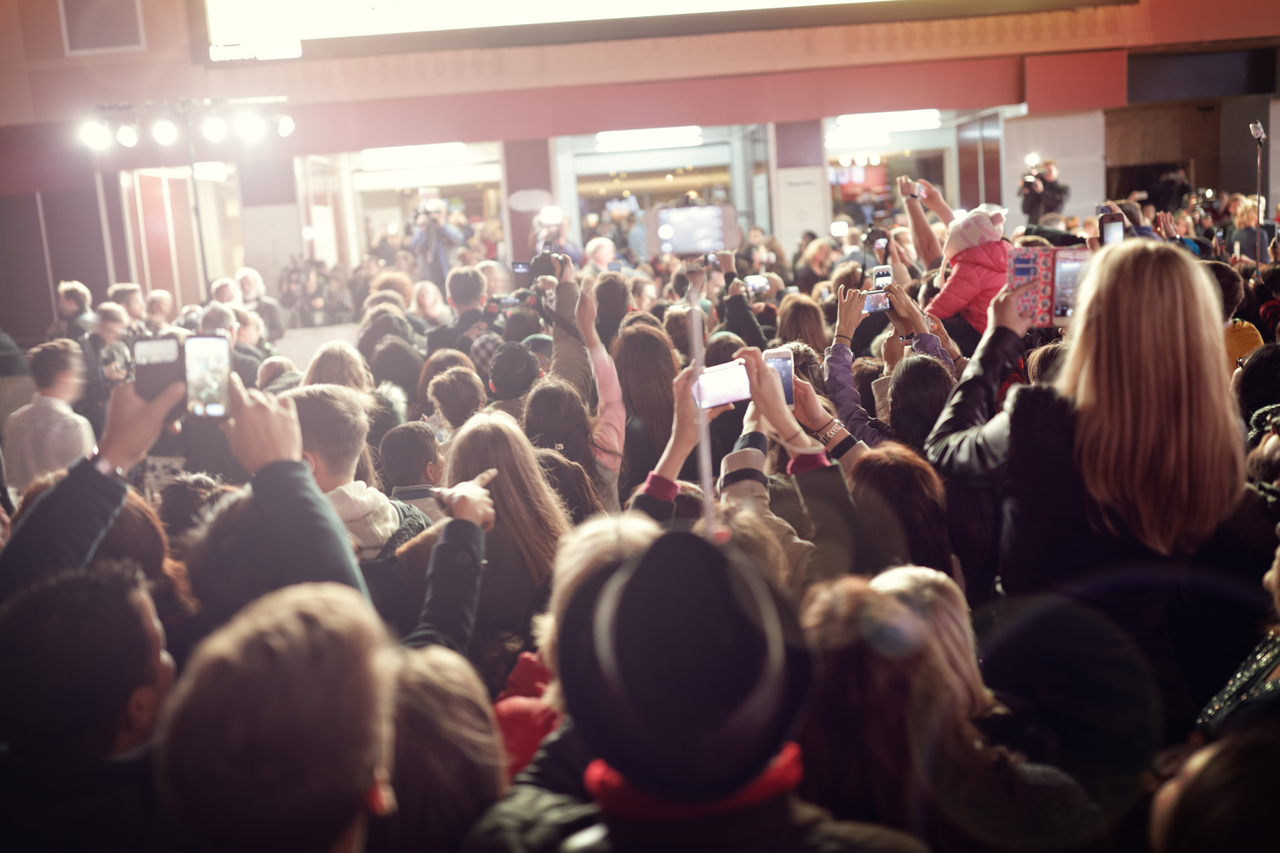
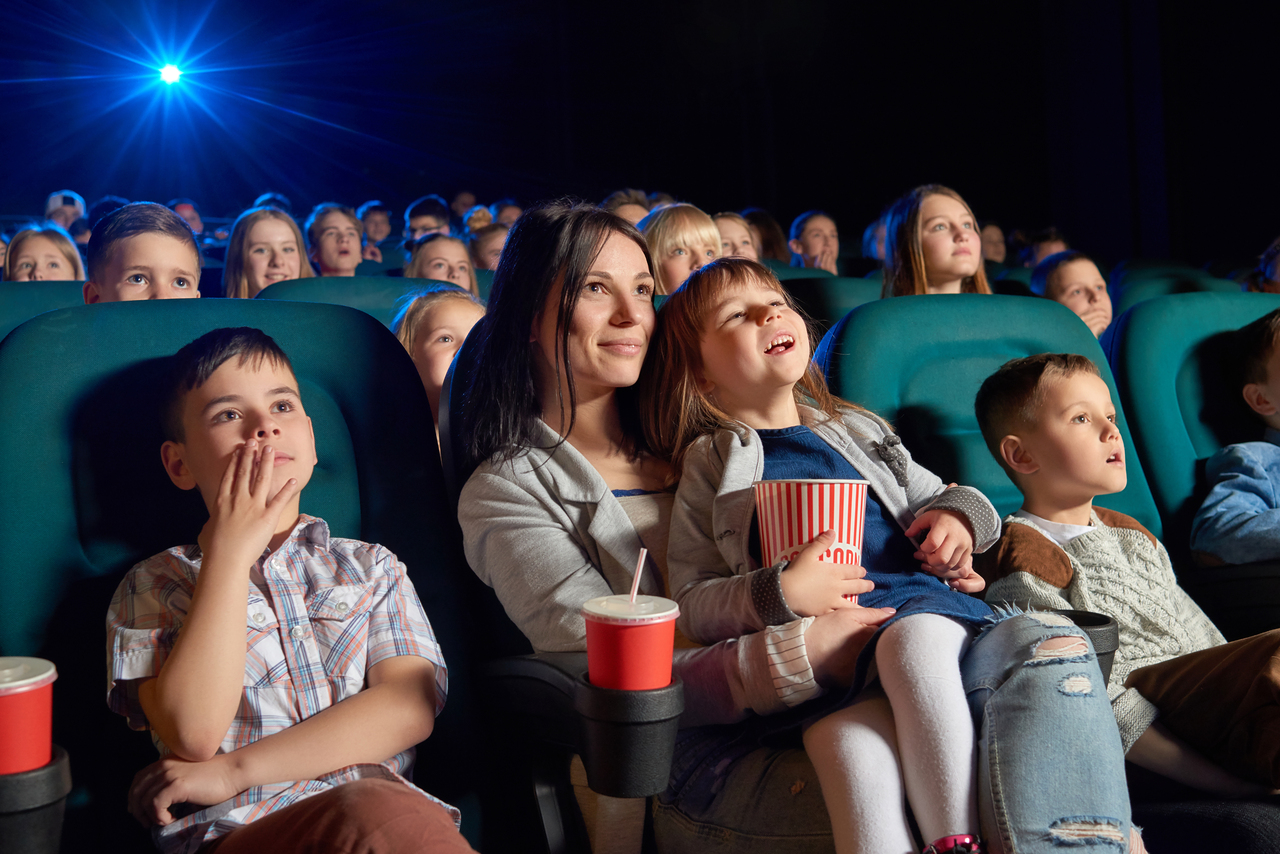
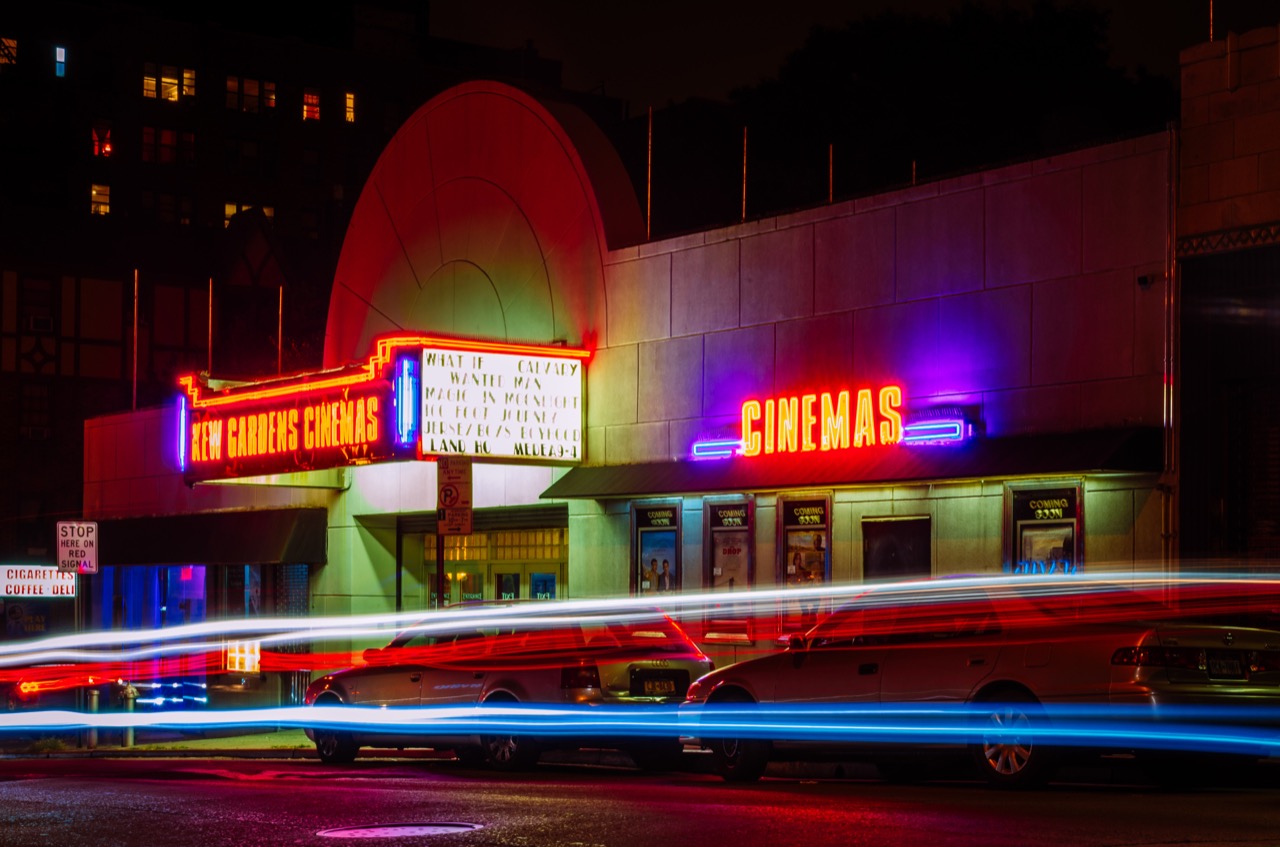
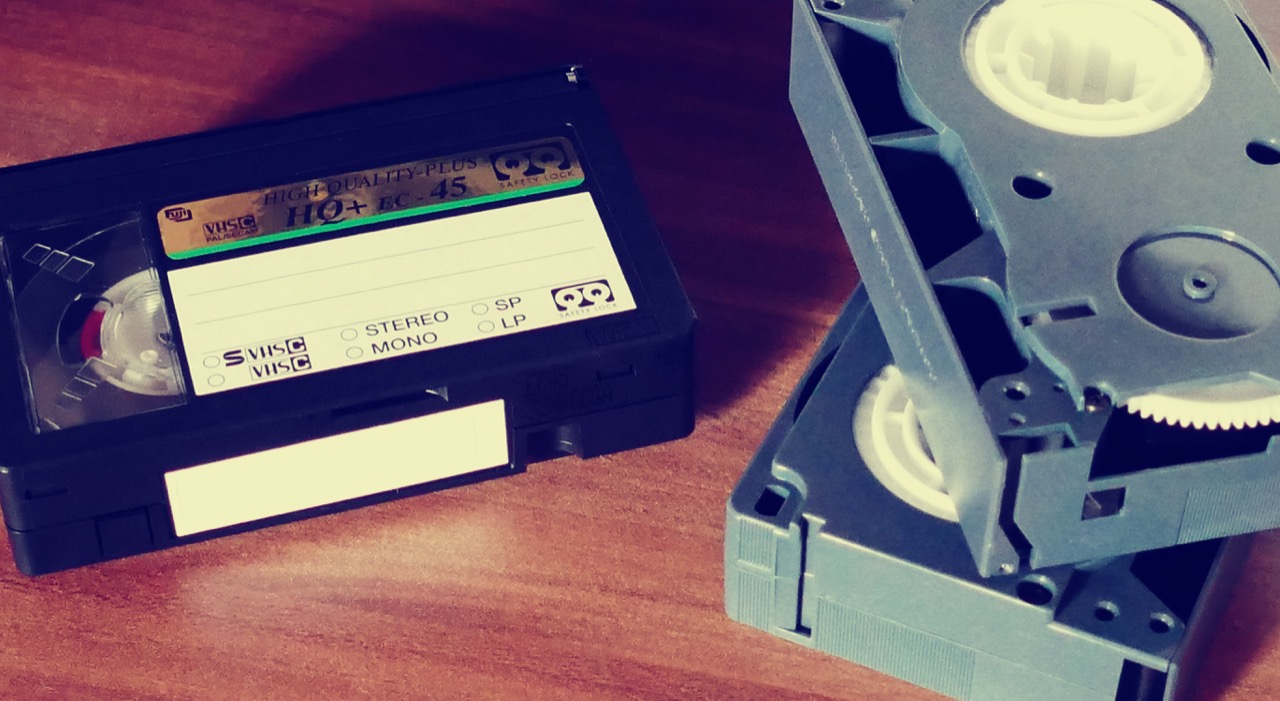
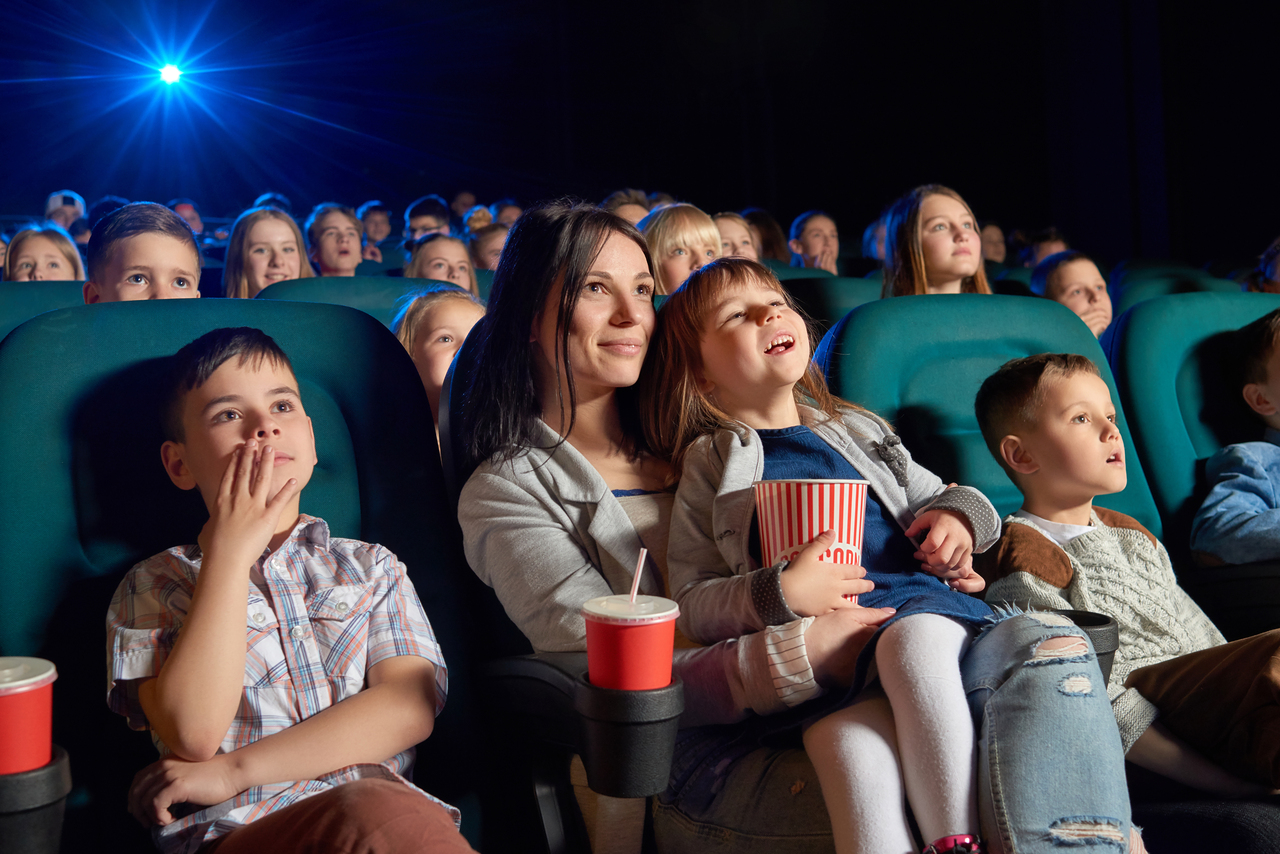
This shared language was powered by how people actually consumed movies. Many households built libraries of VHS tapes, and the ritual of rewinding became its own small comedy of domestic life. Video stores helped turn films into long-running conversations because you could rewatch favorites and discover older titles through staff picks and word of mouth. At the same time, theaters still mattered as communal spaces. Opening-night crowds weren’t just there to see a story first; they were there to be part of a moment, reacting together, laughing at the same beat, and leaving with the same lines stuck in their heads.
Marketing evolved to feed that feeling of occasion. Teaser trailers arrived earlier and earlier, treating a few seconds of footage as an event. Tie-in toys and fast-food promotions made films unavoidable, especially for family blockbusters. Soundtracks became another delivery system for movie identity. A hit song could keep a film present on the radio for months, and a popular soundtrack album let fans carry the mood of a movie on a Discman. This cross-promotion also blurred the line between cinema and pop music, helping certain films feel like cultural packages rather than standalone stories.
The 90s also showed how popcorn entertainment could shape real-world debates. Crime films and courtroom dramas fed conversations about violence, justice, and media sensationalism. Stories about identity and relationships pushed mainstream audiences to confront topics that had often been sidelined, while comedies tested what could be said on screen and repeated in public. Historical dramas and war films influenced how many viewers pictured the past, sometimes prompting renewed interest in museums, books, and classroom discussions. Meanwhile, technology-driven thrillers and science fiction reflected growing anxieties and excitement about computers, surveillance, and the approaching new millennium.
Another defining shift was the rise of indie films into broader popularity. Smaller movies could break through with distinctive dialogue, unconventional structure, and a sense of authenticity that audiences found refreshing. Their influence traveled quickly because quoting them signaled that you were in the know. This helped create a bridge between art-house sensibilities and multiplex habits, changing what studios were willing to finance and how they marketed films to different audiences.
Movies also left footprints in fashion and tourism. A hairstyle, a pair of sunglasses, or a particular kind of jacket could become a trend when attached to a memorable character. Locations turned into destinations, whether it was a city skyline, a roadside landmark, or a picturesque small town. Fans sought out filming sites and themed experiences, and some places embraced the attention as part of their local economy.
Looking back, 90s cinema feels like a time when mass audiences still gathered around the same titles, yet tastes were diversifying fast. The decade’s true legacy may be how it taught people to treat movies as a shared vocabulary: something you could quote, remix, and use to comment on everyday life. That habit never went away; it just moved from the school hallway and the video store into the endless scroll of modern culture.