Popcorn, Quotes, and 90s Movie Rituals Reloaded




Quiz Complete!
Popcorn, Quotes, and 90s Movie Rituals Reloaded: How a Decade of Films Took Over Everyday Life
The 1990s were a sweet spot when movies felt both larger than life and strangely personal. Hollywood delivered massive blockbusters, independent cinema broke into the mainstream, and audiences built routines around the simple act of watching. Long before streaming made everything instantly available, people planned movie nights, hunted for a specific VHS tape, and rewound scenes until the tracking lines appeared. The decade’s films did not just fill theaters; they seeped into slang, fashion, music, and even how people imagined romance, friendship, and adulthood.
One of the clearest signs of 90s movie power was the way quotes became social currency. Certain lines were repeated so often they turned into a kind of shorthand for humor, confidence, or attitude. Comedies helped, but so did action films and teen movies that gave audiences phrases that were easy to imitate at school, at work, or on the phone. Quoting a film was also a way to signal belonging. If you recognized the reference, you were in the club; if you did not, you were left wondering why everyone was laughing.
Soundtracks were another pipeline from the screen to real life. In the 90s, a movie’s music was often marketed like an event, and a hit soundtrack could outlast the film in public memory. People bought CDs, made mixtapes, and associated songs with specific scenes so strongly that hearing a track on the radio could replay an entire moment in your head. This was also a decade when alternative rock, hip hop, pop, and R and B all found prominent space in films, helping audiences discover artists and shaping what felt current.
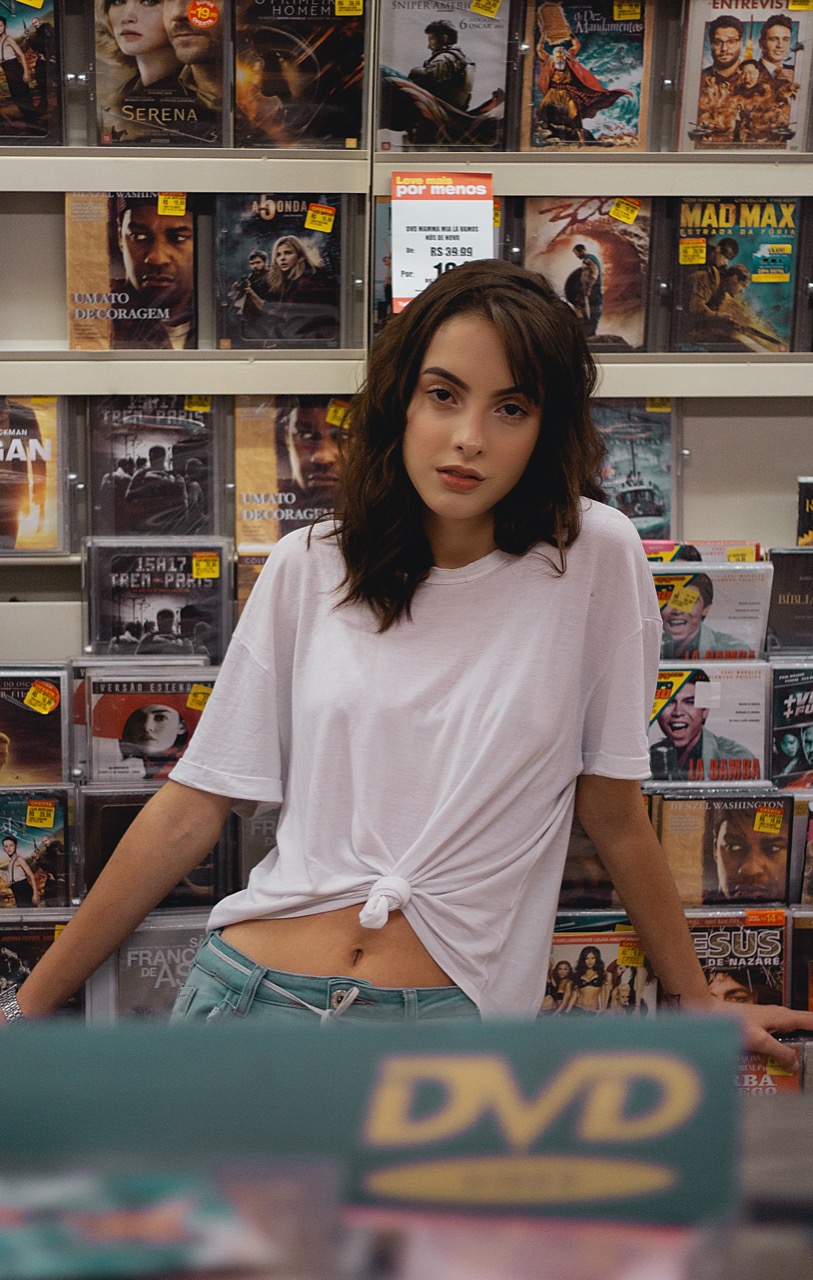
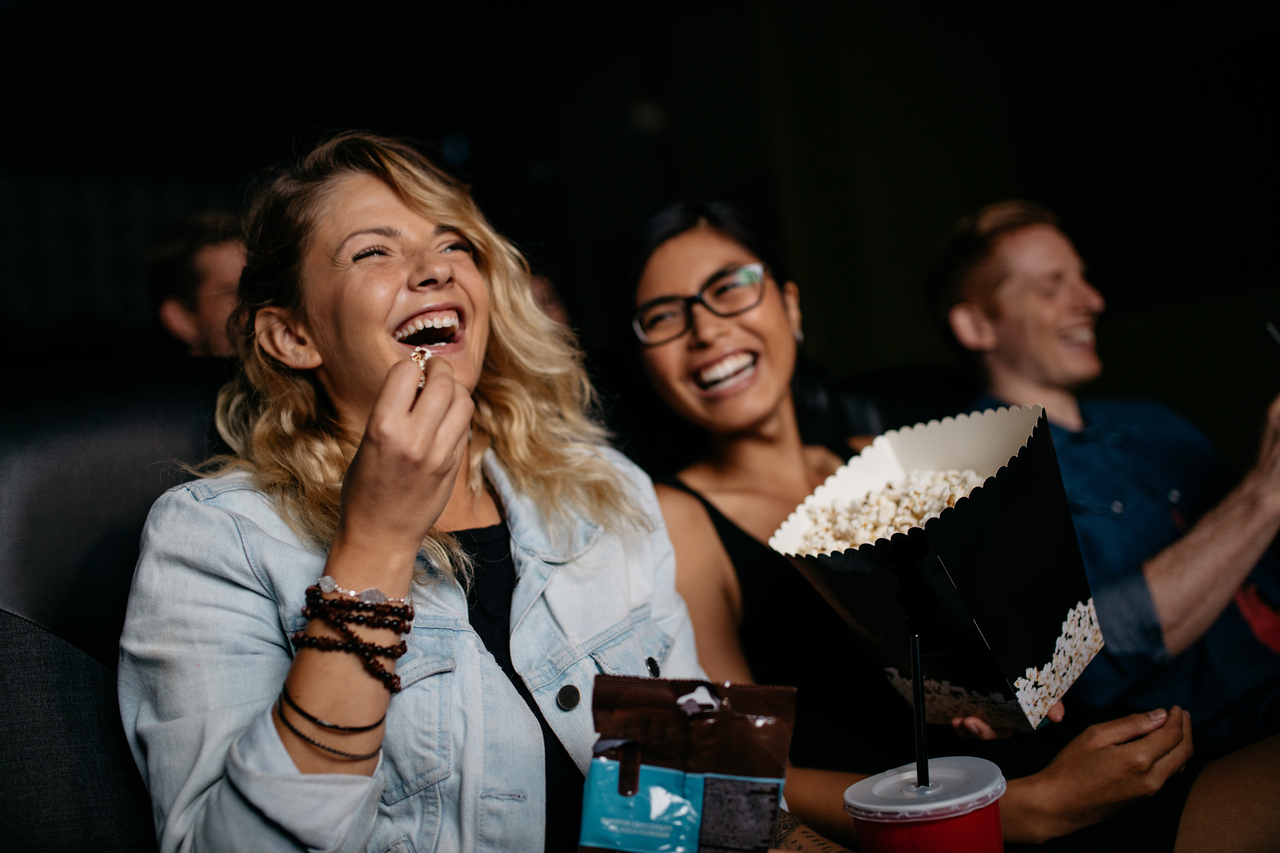
The rituals of watching mattered as much as the movies. Theatrical experiences still had a sense of occasion, from opening weekend lines to midnight showings that turned fandom into a public gathering. At home, VHS ruled. Renting a movie was a small adventure: browsing aisles, judging a film by its box art, and hoping the last copy was not already gone. Rewinding was a real responsibility, and many people can still remember the feel of a tape sliding into a VCR. DVDs arrived late in the decade and changed expectations with cleaner picture quality and bonus features, but the habit of rewatching favorite scenes had already been trained by tape.
The 90s also blurred the boundary between mainstream and indie. Independent filmmakers gained wider audiences, and their style influenced everything from editing rhythms to dialogue that sounded more like real conversation. At the same time, big studio movies perfected the modern blockbuster template, with high concept premises, memorable villains, and special effects that showed rapid technological progress. Computer generated imagery grew more convincing, but practical effects and stunt work still carried much of the weight, creating a tactile look that many viewers still find distinctive.
Fashion and identity were constantly in dialogue with the screen. Characters popularized everything from casual streetwear and grunge layers to sleek minimalism and bold teen trends. Romantic comedies and teen dramas shaped ideas about dating, friendship groups, and what counted as a grand gesture. Courtroom thrillers and crime films fueled debates about justice and ethics, while science fiction and disaster movies reflected anxieties and hopes about technology, the future, and the end of the millennium.
What makes 90s movie culture especially memorable is how communal it was. People did not just watch; they talked, quoted, argued, and rewatched together. The decade created shared reference points that traveled through classrooms, offices, and family living rooms, turning films into everyday language. That ripple effect is the heart of any quiz about 90s movie rituals: it is not only about remembering titles, but about remembering how movies once organized time, taste, and conversation.