Ringside Road Map 90s Wrestling Venues Brain Buster Edition


Quiz Complete!
Mapping the Mayhem: Iconic 1990s Wrestling Venues and the Cities That Made Them Roar
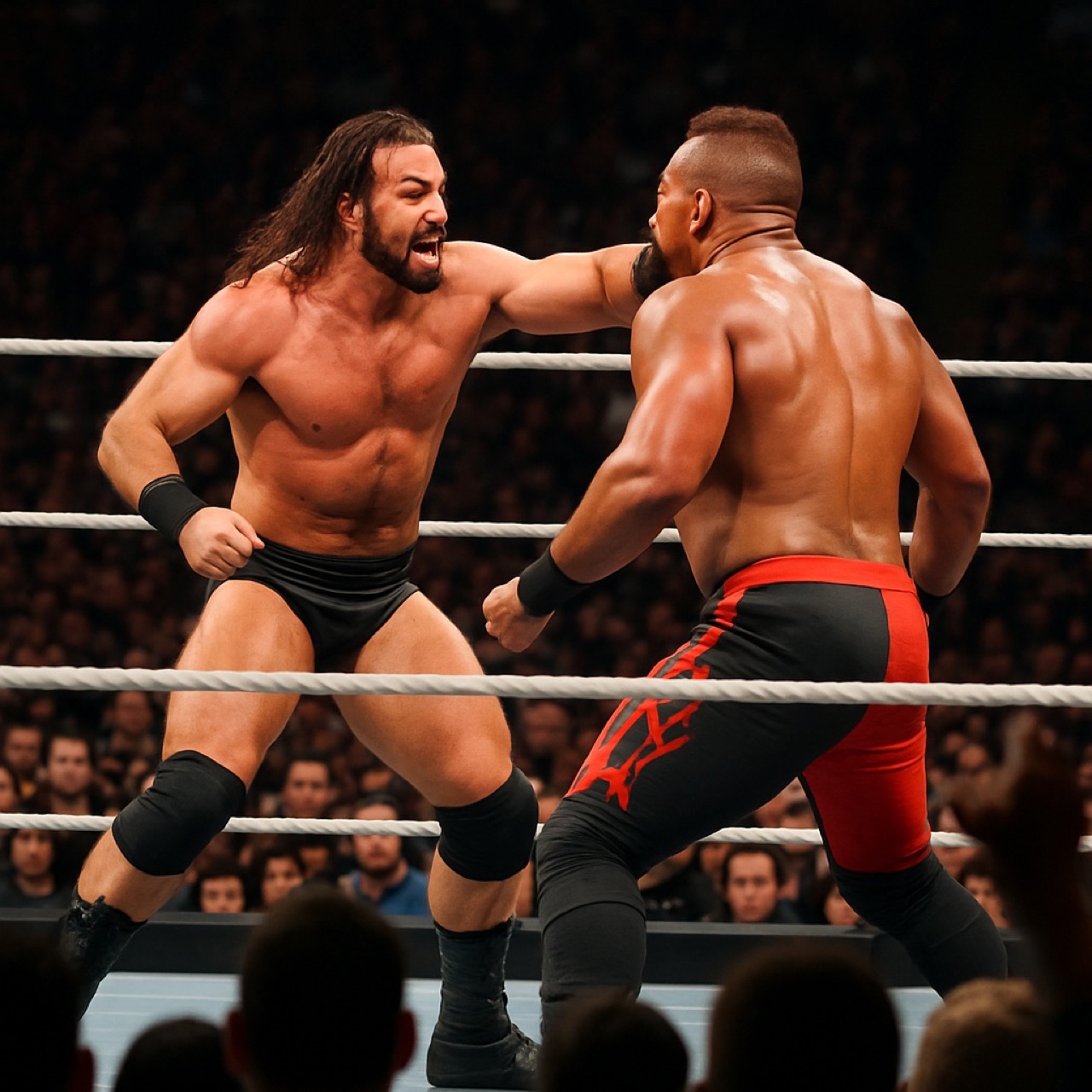
In 1990s pro wrestling, the ring was only half the story. The other half was where the ring landed. Venues shaped the sound of the crowd, the look of the broadcast, and sometimes even the identity of an entire promotion. If you can remember a specific entrance ramp or the way the camera panned across a packed bowl of seats, you already understand why wrestling geography is such a fun brain buster.
New York City’s Madison Square Garden remained the prestige address for WWF. Even when the company toured relentlessly, “the Garden” carried a special weight, a place where title matches felt more official and big returns landed harder. Across the river and down the coast, Philadelphia became a different kind of wrestling landmark. ECW’s rise is inseparable from the city’s gritty energy and its famously vocal fans. The ECW Arena in South Philadelphia, a modest building compared to major sports palaces, became legendary because the crowd felt like an active character in every match.
WCW’s national expansion is easy to trace by looking at the American South. Atlanta, long tied to Turner broadcasting, served as a home base, while large stadium shows in Florida and elsewhere delivered the scale WCW wanted for its biggest nights. When wrestling ran venues like the Georgia Dome or big outdoor stadiums, the atmosphere changed: fireworks mattered more, entrances were longer, and the spectacle could feel like a rock concert with a ring in the center.
Detroit’s connection to WrestleMania III is older than the 90s, but the decade kept leaning into the idea that certain cities were “big match towns.” Chicago often played that role too, with crowds known for being loud, opinionated, and knowledgeable. When a pay per view landed in a city with a reputation, the performers adjusted. Heels leaned into the boos, babyfaces paused longer to soak up cheers, and the broadcast team talked up local history to make the building feel like part of the story.
Canada also left a strong footprint on the decade. Toronto’s SkyDome hosted one of the era’s most talked about WrestleManias, proving that WWF’s biggest show could travel and still feel enormous. Montreal, meanwhile, is remembered for a very different reason: the city became shorthand for controversy after a notorious title change that fans still debate. Those moments show how a location can become a permanent reference point, not just a pin on a tour schedule.
International stops helped define wrestling’s global ambitions. London’s Wembley Stadium hosted a massive WWF event that demonstrated just how large the audience could be outside North America. In Japan, major arenas like the Tokyo Dome were already synonymous with big fight-night atmospheres, and wrestling fans worldwide learned that a venue’s reputation could elevate a card before the bell even rang.
What makes 90s wrestling venues so memorable is how clearly they matched each brand’s personality. WWF often favored iconic arenas and family friendly spectacle, WCW leaned into big scale destination events, and ECW turned a smaller building into a cauldron of noise. Remembering the where is a shortcut to remembering the why: why a crowd sounded different, why a match felt bigger, and why certain nights still echo decades later.