Scene Stealers of 90s Film Locations Xtreme Edition






Quiz Complete!
Scene Stealers of 90s Film Locations: The Places That Became Part of the Story

Some 1990s movies are so tied to their settings that you can picture the place before you remember the plot. The decade was a sweet spot for location filmmaking: studios still built sets, but audiences were hungry for real streets, real skylines, and landscapes that felt like you could step into them. Those places did more than decorate the frame. They shaped mood, character, and even how people talked about travel.
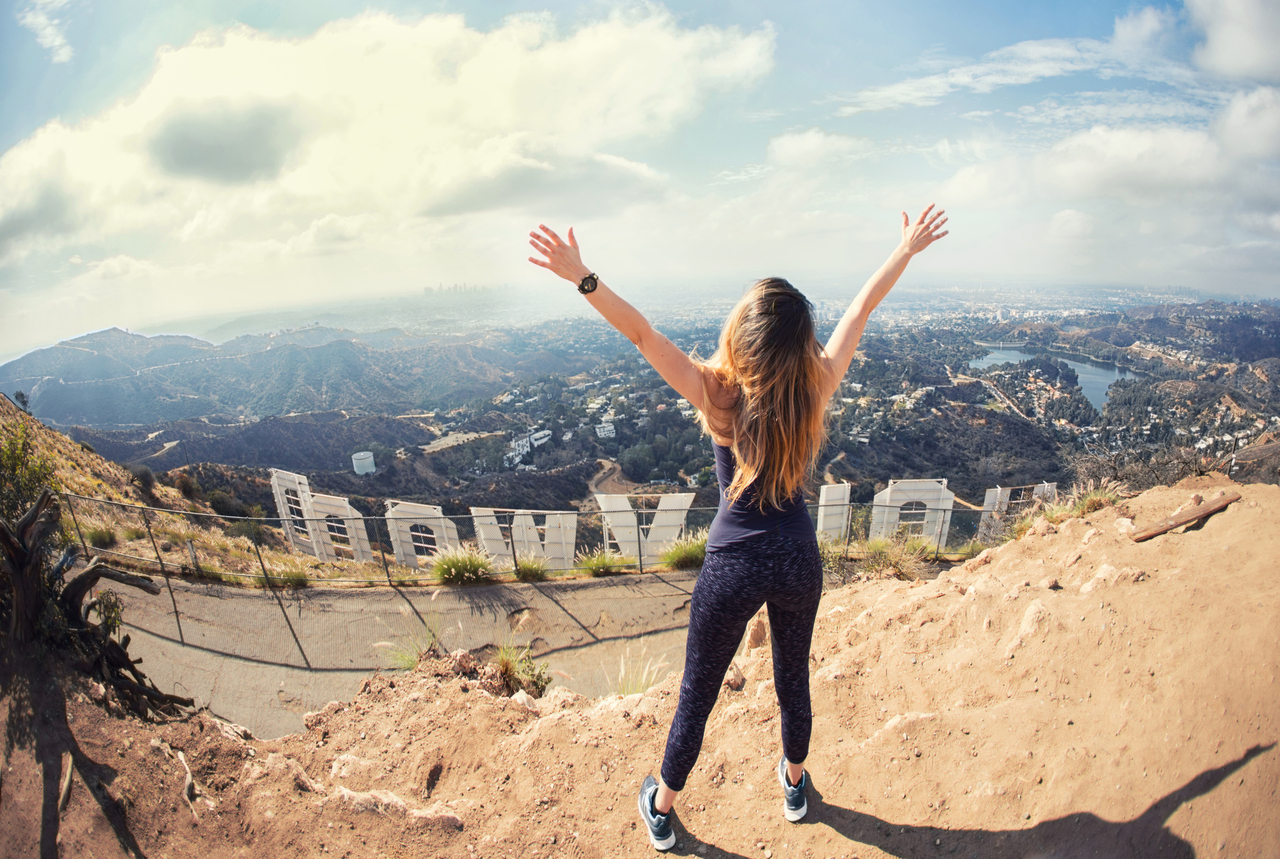
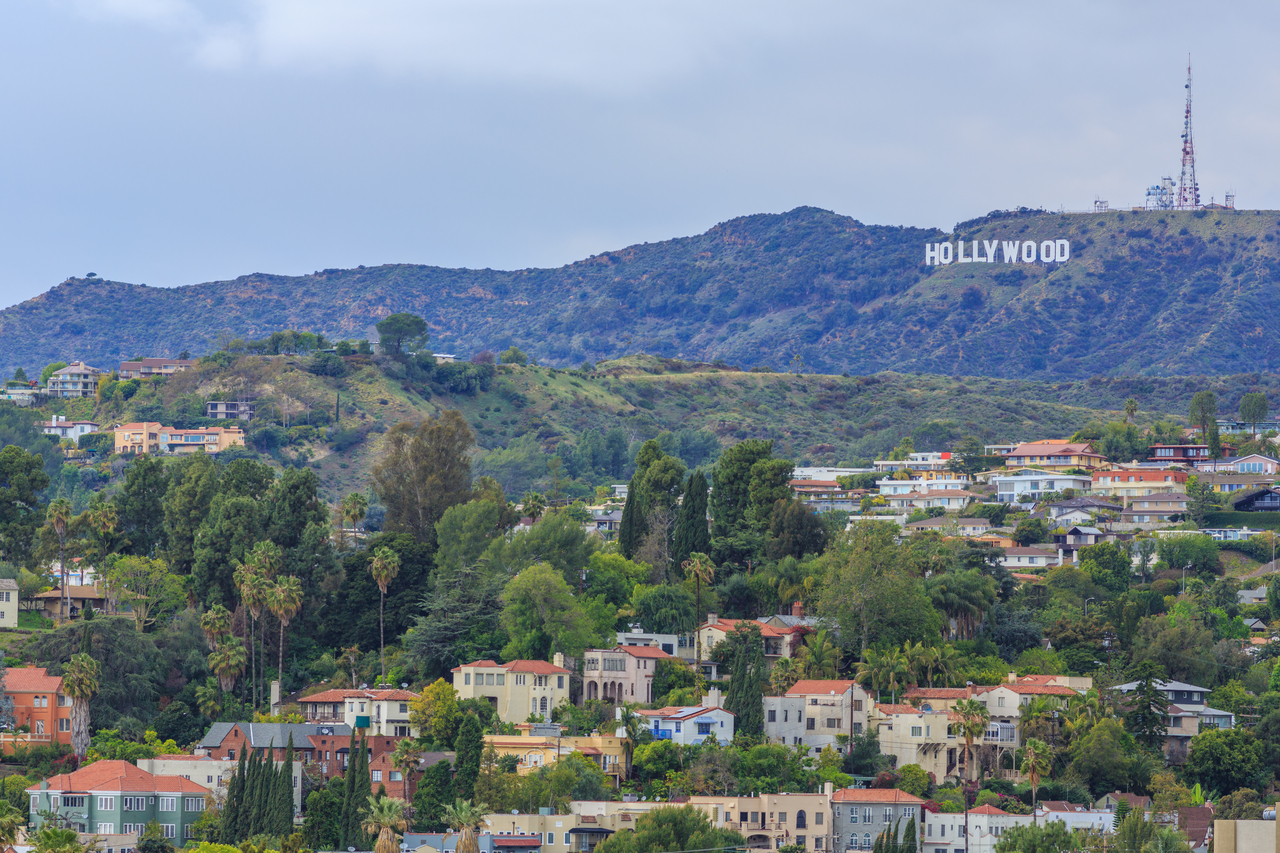
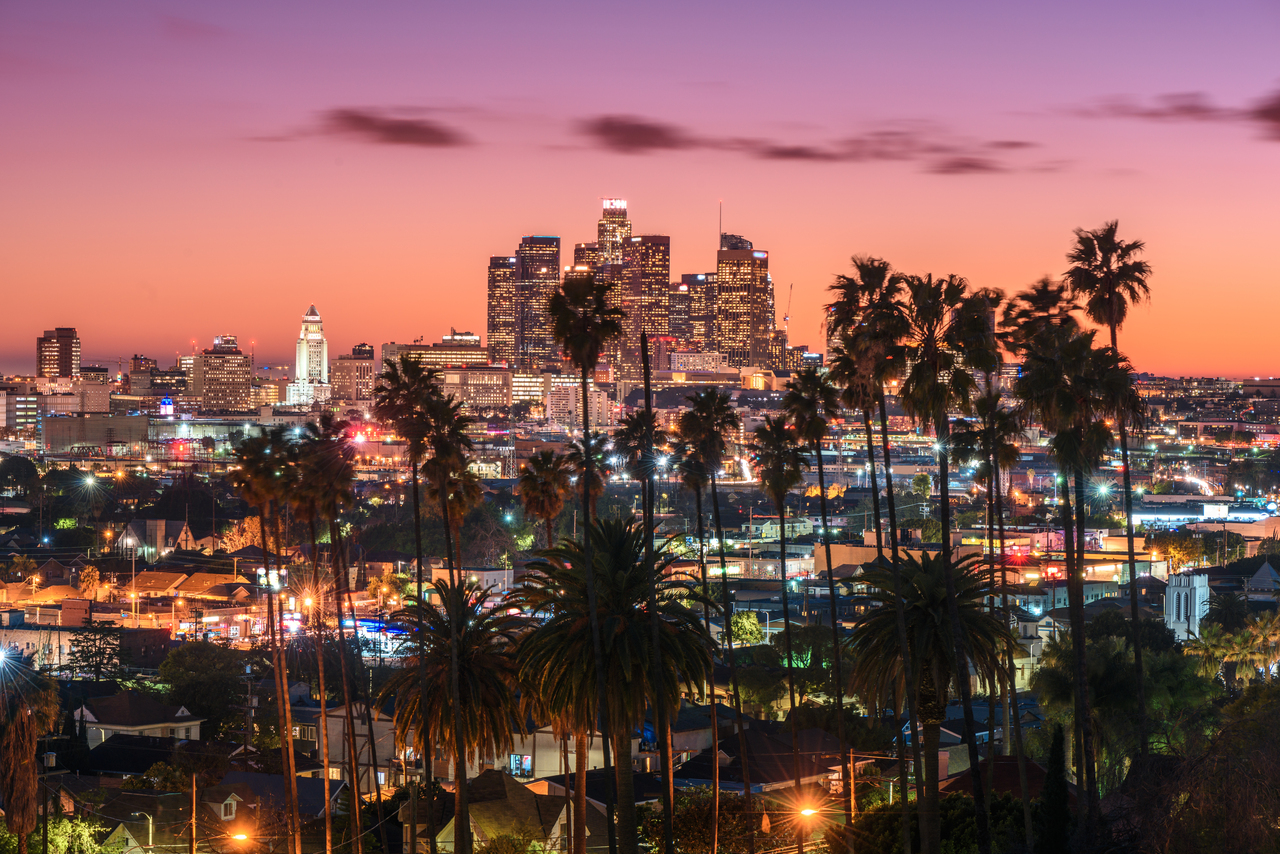
Los Angeles was one of the era’s great cinematic playgrounds, often shown as a maze of movement. The city’s freeways and concrete channels became visual shorthand for speed, danger, and modern life, whether you were watching a slick action chase or a darker crime story. Films leaned on instantly recognizable pieces of L.A. geography, from downtown’s glassy towers to the palm-lined sprawl, and that familiarity helped movies feel current. Even viewers who had never been there could sense the scale and the constant motion.
New York City played a different role, frequently cast as a character with its own personality. The 90s loved New York’s mix of grit and glamour: brownstones and corner stores, museums and skyscrapers, subway platforms and bright billboards. Landmarks like the Metropolitan Museum of Art became more than tourist stops when movies used them as meeting points, emotional turning points, or symbols of ambition. Central Park, the Brooklyn Bridge, and neighborhood streets all carried a built-in story, letting filmmakers communicate tone quickly and giving audiences a mental map that felt personal.
The decade also embraced the eerie power of small towns. A foggy main street, a diner with fluorescent lighting, a stretch of forest just beyond the last house, these settings made ordinary places feel uncanny. Films and TV of the period often shot in Pacific Northwest locations or similar landscapes to capture damp air, deep greens, and a sense that secrets could hide in plain sight. That look became so influential that even fictional towns felt real, inspiring fans to track down filming sites and compare them to what they saw on screen.
On the sunnier end of the spectrum, 90s movies turned beaches into stages for youth culture, romance, and reinvention. Sunlit coastlines and boardwalks weren’t just pretty backgrounds; they carried an idea of freedom and possibility. The same was true of suburban streets, which the decade treated with both affection and satire. A row of similar houses could suggest comfort, boredom, or hidden chaos depending on how the camera framed it.
One of the biggest shifts of the era was how international locations entered mainstream pop culture. Large-scale productions increasingly traveled, and audiences followed. New Zealand’s mountains and rolling plains, for instance, were poised to become globally famous by the end of the decade, showing how remote landscapes could feel mythic and universal on film. European cityscapes, Asian skylines, and desert expanses also appeared more often, giving viewers a sense that cinema could be a passport.
What makes these locations memorable is not just beauty, but specificity. A landmark shot can anchor a story in the real world, while an unusual street corner or a distinctive skyline can become a signature. For a quiz about 90s film locations, the fun is realizing how often you know the place even if you don’t know the address. The setting is the scene stealer you didn’t always notice, until it was the first thing you remembered.