Slapshots and Sensors 1990s Hockey Quiz


Quiz Complete!
Slapshots and Sensors: How 1990s Engineering Quietly Remade Hockey
Hockey in the 1990s looked familiar at a glance, but the sport was quietly being rebuilt from the inside out. The decade sat between the era of mostly wood and leather and the modern world of composites, precision manufacturing, and constant measurement. Many of the changes were driven by simple goals: shoot harder with less effort, protect players better without adding weight, and make ice more predictable in every arena. If you listened closely, you could even hear the difference in the crack of a shot.
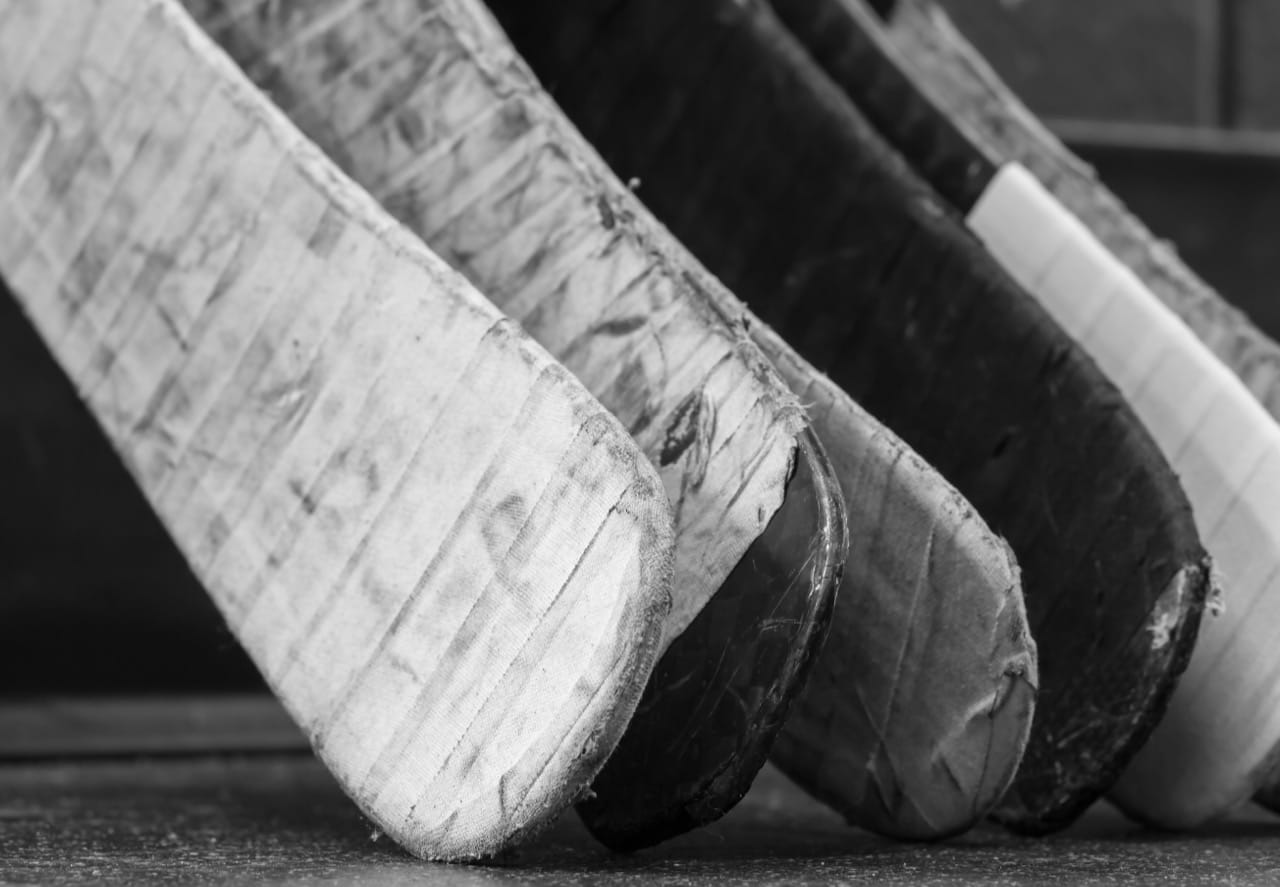
Sticks were a major battleground for materials science. Traditional wooden sticks had a dependable feel but varied from piece to piece and could lose stiffness as they absorbed moisture. By the 1990s, carbon fiber and other composite reinforcements began creeping into shafts and blades. The engineering problem was balancing stiffness and flex. A stiffer stick can transfer energy efficiently, but too stiff can feel harsh and reduce control. Designers experimented with fiber orientation and layering to tune how the stick bent during a slapshot and how it returned energy to the puck. Another issue was vibration. Wood can damp some shock naturally, while early composites could feel lively or even buzzy. Companies worked on internal constructions and resin systems that reduced unwanted vibration while keeping the quick release that shooters wanted.
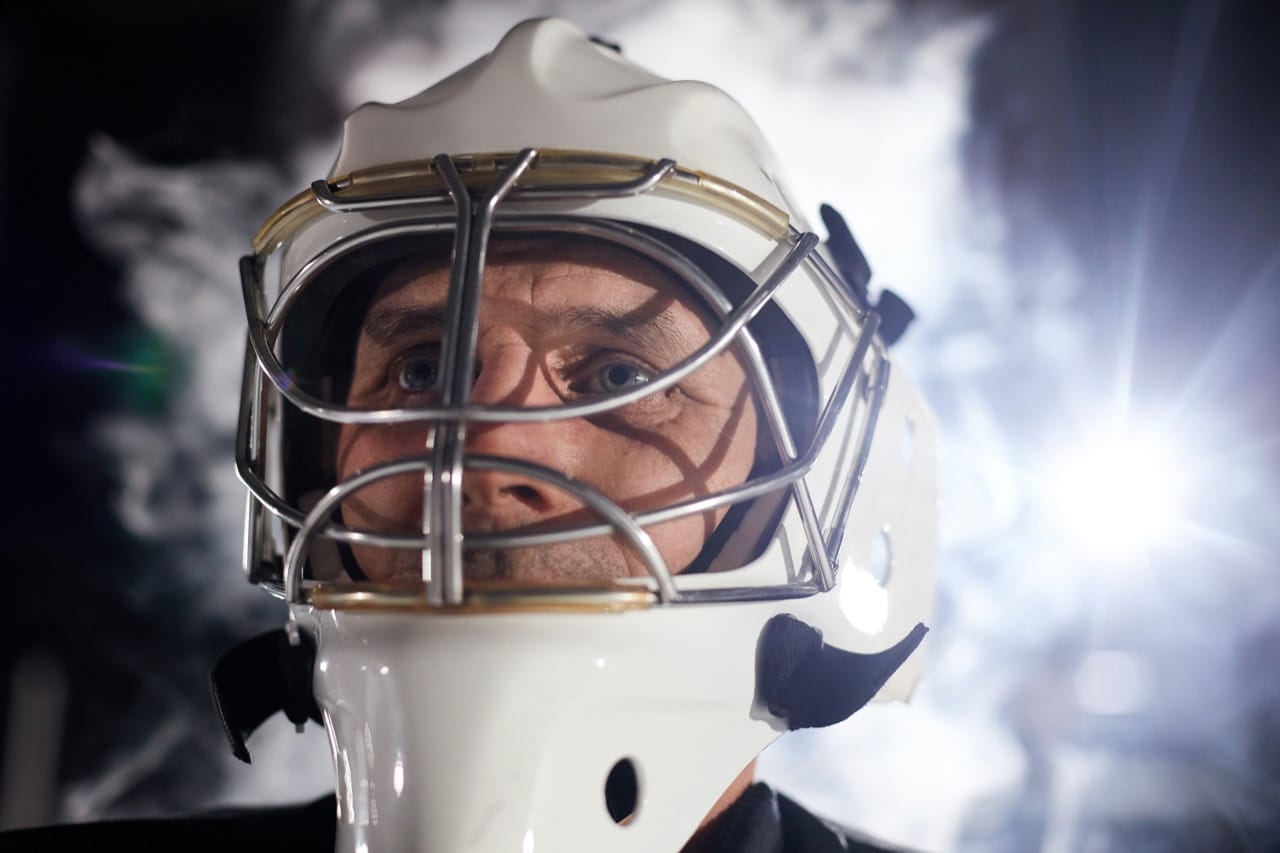
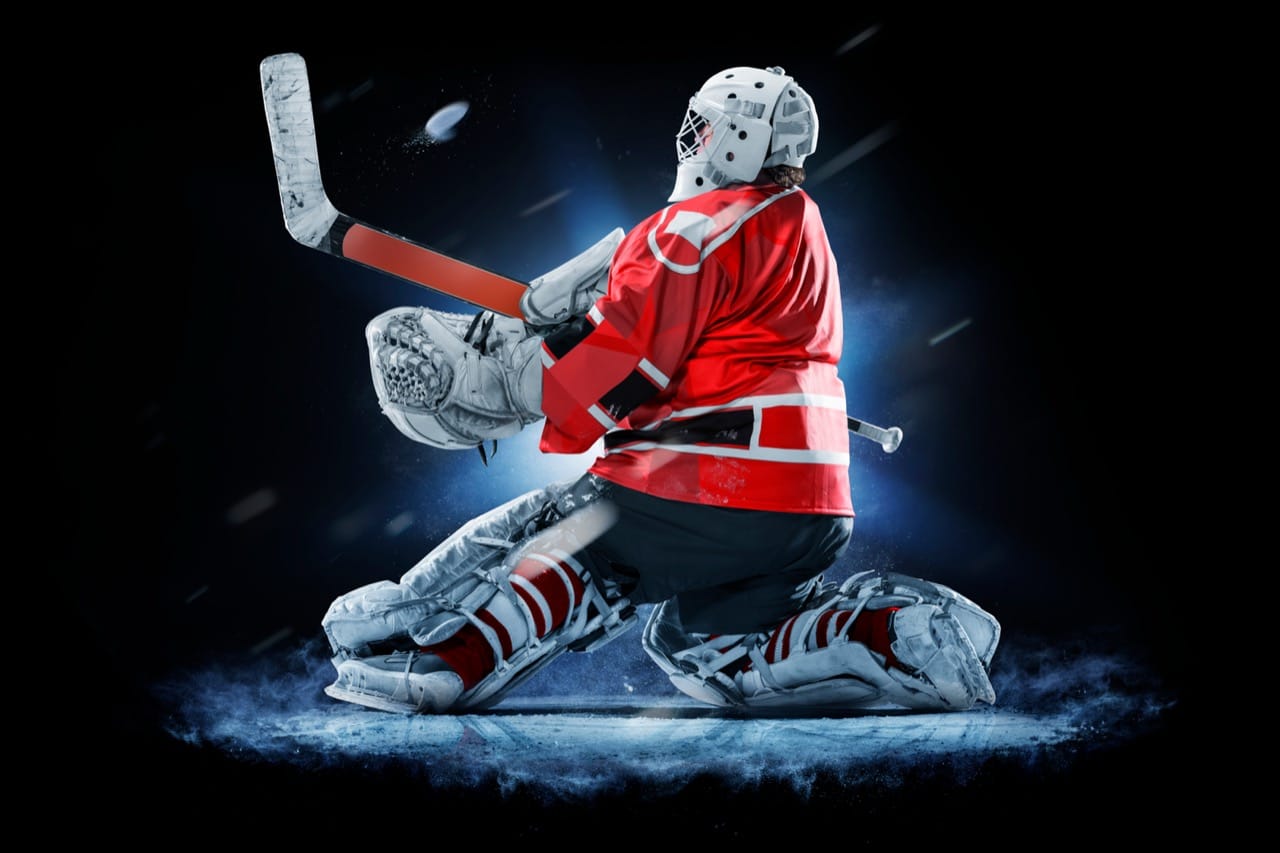
Protective equipment evolved just as dramatically. Goalie masks became a showcase for advanced materials, shifting from older fiberglass styles toward stronger composite layups using carbon and aramid fibers. The point was not only to prevent catastrophic failure, but to manage how impact forces spread across the shell and how energy was absorbed by the padding and suspension system inside. Lighter masks reduced neck fatigue, while tougher shells helped against higher shot speeds that were becoming more common as sticks and training improved.
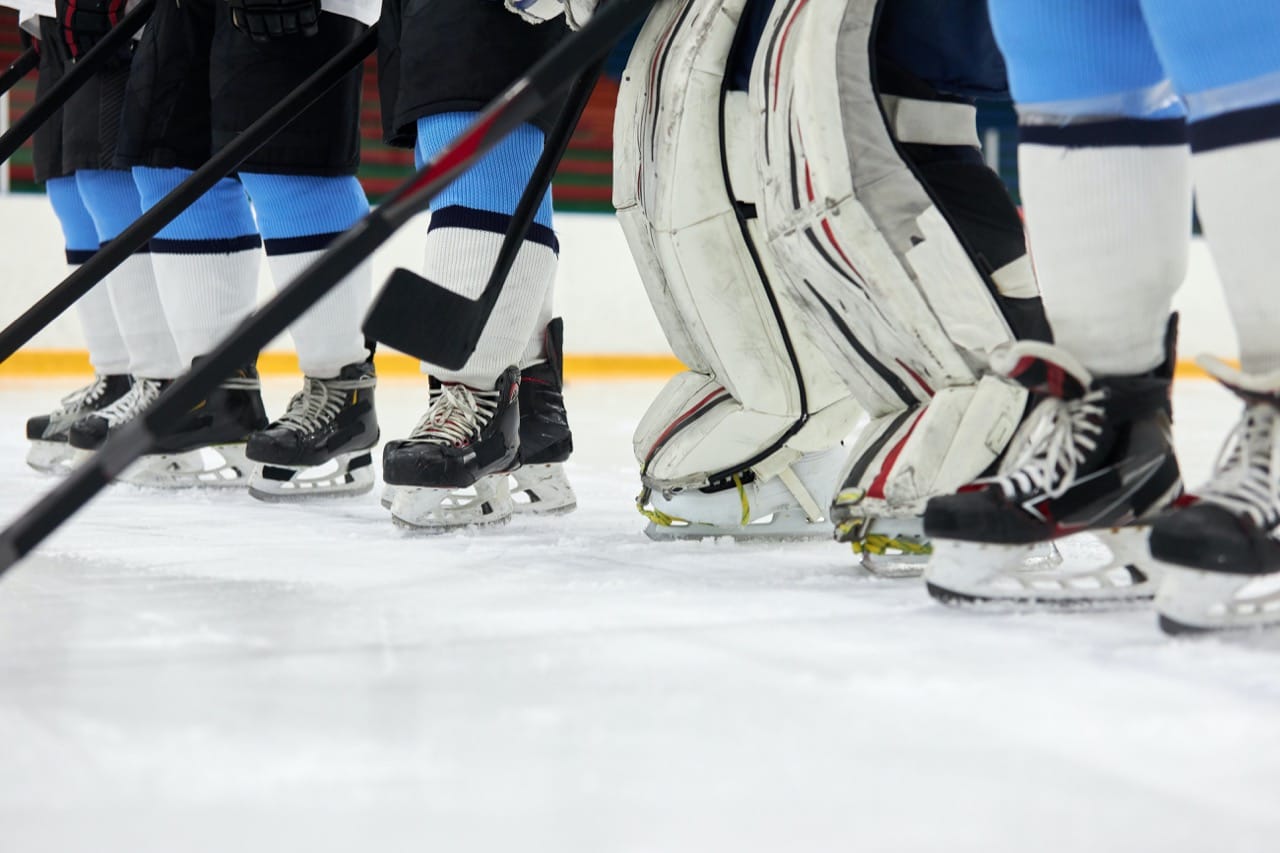
Skates also benefited from better plastics, stiffer boots, and improved holders that kept blades more consistent. A stiffer boot can improve energy transfer from leg to ice, but it can also reduce comfort, so manufacturers refined padding foams and fit systems. Meanwhile, goalie pads and player pads gradually moved toward lighter foams and more streamlined shapes. The tradeoff was always protection versus mobility, and the 1990s pushed hard toward gear that allowed faster movement without giving up coverage.
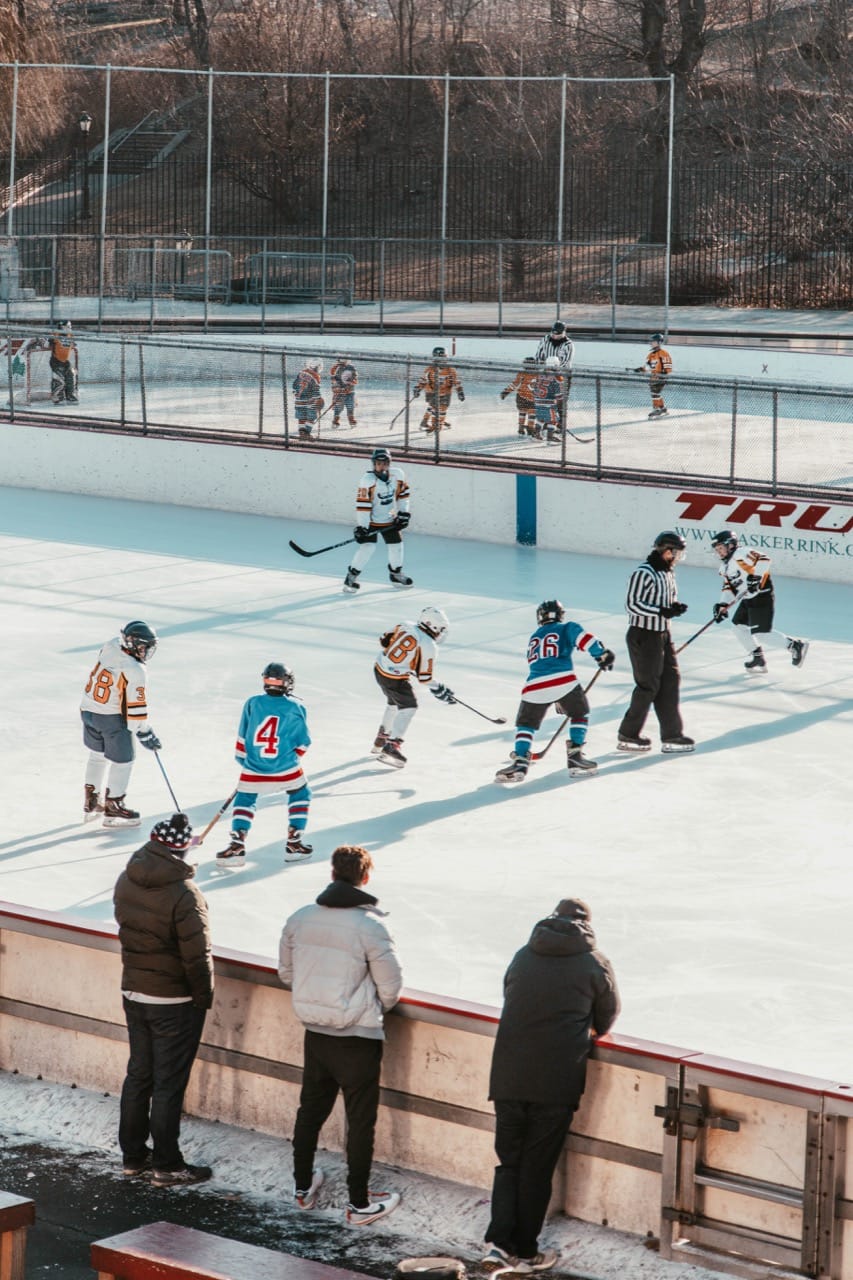
Behind the scenes, arenas were becoming more scientific. Good ice is not just about cold air. Humidity management matters because moisture condenses and falls as mist or snow, creating soft, slow ice and a foggy rink. Better dehumidification systems reduced condensation, improved visibility, and helped keep the surface hard and consistent. Refrigeration systems and controls improved too, allowing more stable brine temperatures under the slab and more predictable ice hardness from period to period. That consistency mattered for puck glide, player speed, and even injury risk, since rutted or soft ice can grab an edge unexpectedly.
The 1990s also marked an early wave of video and data tools. Coaches leaned more on videotape breakdown to study forechecks, penalty kills, and line matchups. Broadcasters began using more sophisticated camera placements and replay tools, making it easier for fans to see the geometry of plays. Teams started to treat information as an advantage, tracking faceoff tendencies, shot locations, and matchup results long before today’s automated puck and player tracking.
Taken together, these changes made hockey faster, louder, and more engineered. The decade’s innovations did not arrive all at once, and many were subtle, but they set the template for modern equipment and rink standards. By the end of the 1990s, the sport was already measuring, testing, and designing its way into a new era, one composite layer and one cleaner sheet of ice at a time.