Sneakers, Soundtracks, and 90s Basketball Culture
Quiz Complete!
Sneakers, Soundtracks, and 90s Basketball Culture
In the 1990s, basketball stopped being only a sport you watched and became a style you could wear, quote, and hear. The NBA was expanding its reach, cable TV and highlight shows were turning nightly games into shared events, and kids everywhere learned the league’s personalities the same way they learned lyrics. The decade’s biggest stars weren’t just athletes; they were cultural reference points, and the look and sound of basketball seeped into everyday life.
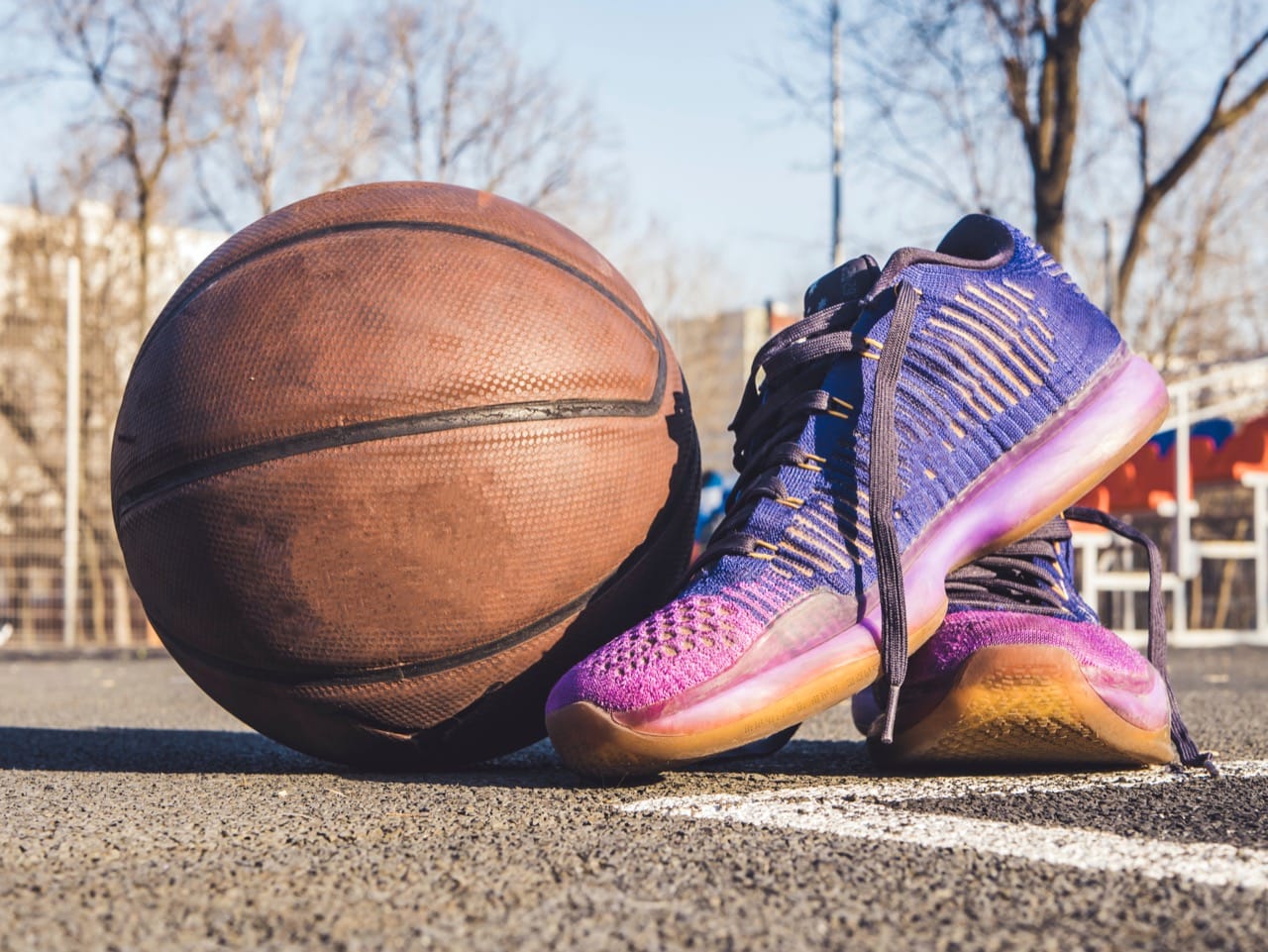
Sneakers were the clearest symbol of that shift. Signature shoes existed before the 90s, but this was when they became a weekly conversation at schools, barbershops, and on playgrounds. Brands built entire storylines around athletes, turning releases into mini holidays. Michael Jordan’s line set the template: each new model was treated like a chapter in an ongoing saga, complete with commercials that made the shoes feel like artifacts of greatness. Other stars followed with their own identities, from sleek guard shoes to bulky, expressive designs that matched the era’s bigger silhouettes. Lining up for a release, protecting your shoes from scuffs, and knowing the nickname of a model became part of fan literacy. Even people who didn’t watch every game knew what it meant to have fresh Jordans.
On court, fashion changed the game’s silhouette. Shorts got longer and baggier, warmups became louder, and players leaned into personal flair. That look traveled off the hardwood fast, blending with hip-hop fashion and streetwear. Jerseys and snapbacks became common daily wear, and a team logo could signal hometown pride or just good taste. The influence ran both ways: music artists referenced players and teams, while arenas embraced hip-hop as part of the atmosphere. By the late 90s, the sound of basketball included not just sneakers squeaking but bass-heavy warmup tracks, DJ drops, and crowd chants timed to big moments.
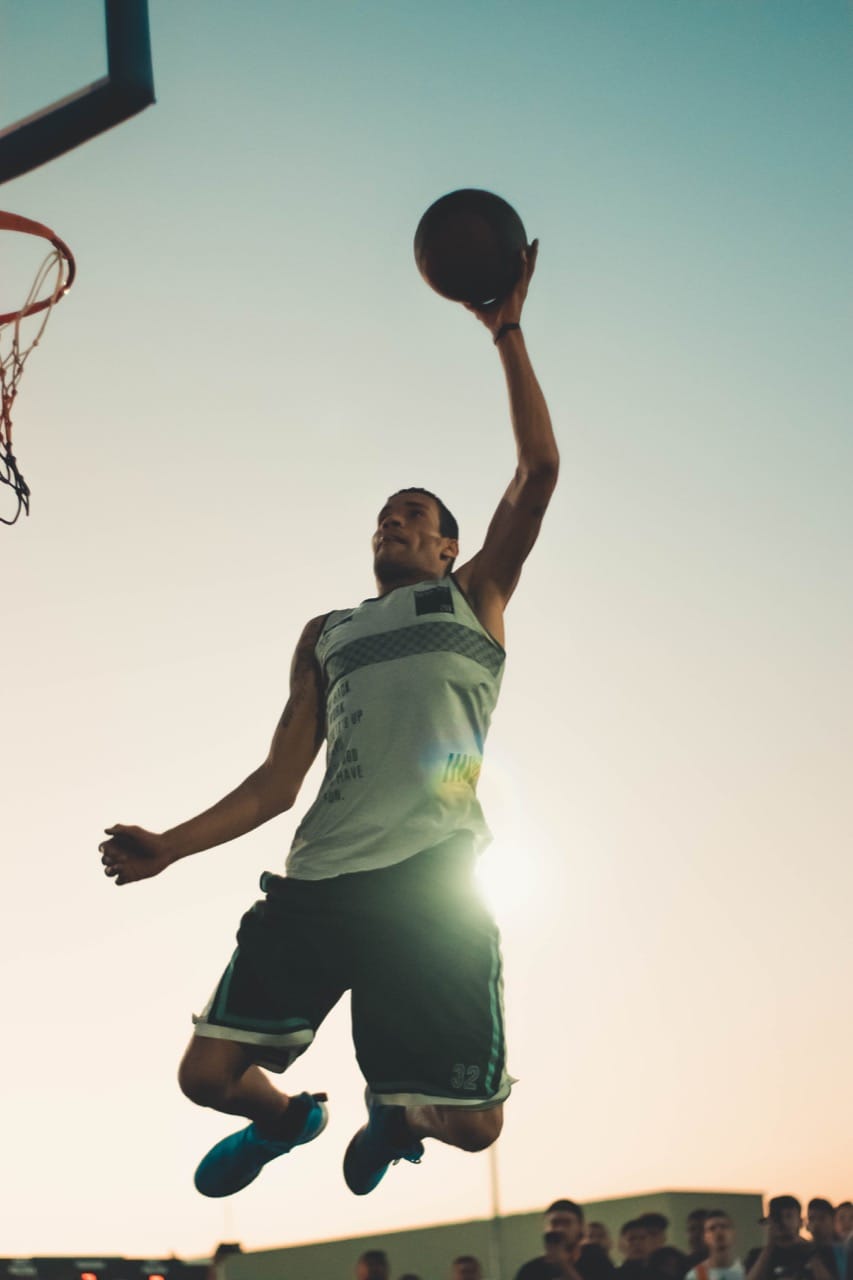
Media helped turn those vibes into mythology. Commercials weren’t filler; they were part of the culture. Catchphrases and memorable ad campaigns made players feel familiar, like characters in an ongoing series. Movies and TV amplified the idea that basketball was a language of confidence and creativity, whether in fictional high school gyms or on city blacktops. Video games added another layer, letting fans control stars, memorize rosters, and hear the same arena sounds at home. Highlight culture mattered too. A single dunk, crossover, or block could live for years on replay and become the defining image of a player.
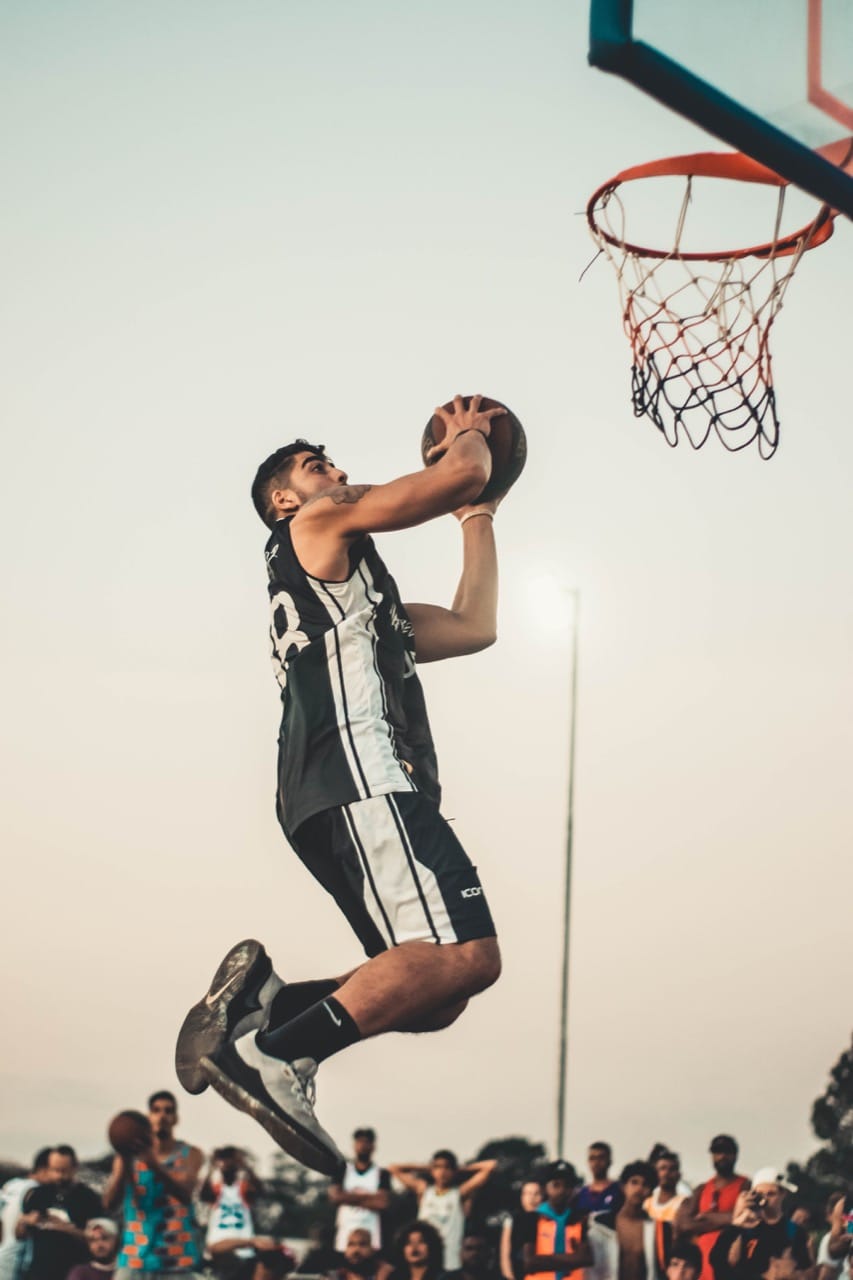
All-Star Weekend evolved into a showcase of personality and spectacle, not just competition. The dunk contest became a stage for creativity and swagger, and the three-point contest turned specialists into household names for a night. Pregame rituals, from dramatic introductions to signature gestures, became recognizable traditions. Fans didn’t only follow standings; they collected moments.
Streetball mythology rose alongside the NBA’s global boom. Playground legends were passed around like folklore, and tournaments and mixtapes made local heroes feel larger than life. The idea of a move having a name, a story, and a reputation fit perfectly with the decade’s appetite for narrative. At the same time, the league’s international reach grew rapidly, with more global broadcasts, overseas merchandise, and stars who made the NBA feel like a traveling show.
What the 90s ultimately created was a shared basketball culture built from soundtracks, shoes, style, and stories. It taught fans to experience the game as identity and atmosphere, not just numbers, and that influence still shapes how basketball is marketed, watched, and talked about today.