Tuning In to 90s TV Tech Firsts Brain Buster Edition








Quiz Complete!
Tuning In to 90s TV Tech Firsts: How a Decade Rewired the Living Room
If television felt like it leveled up in the 1990s, it was because a lot of invisible engineering finally became visible in everyday life. The decade began with many homes still relying on analog broadcast signals and modest cable packages, but it ended with digital channels, sleek satellite systems, and the early building blocks of on demand viewing. The 90s were less about one single invention and more about many upgrades arriving close together, quietly changing what a TV could do and what viewers expected from it.
Cable expanded dramatically, driven by both regulation changes and the economics of niche programming. More channels meant more competition, which pushed networks to sharpen their identities and experiment with formats. Behind that explosion was a technical shift: digital compression. Standards like MPEG made it possible to squeeze more video into the same bandwidth, which helped cable and satellite providers carry larger lineups without endlessly laying new infrastructure. Compression also nudged the industry toward thinking of television as data, an idea that later made streaming feel natural.
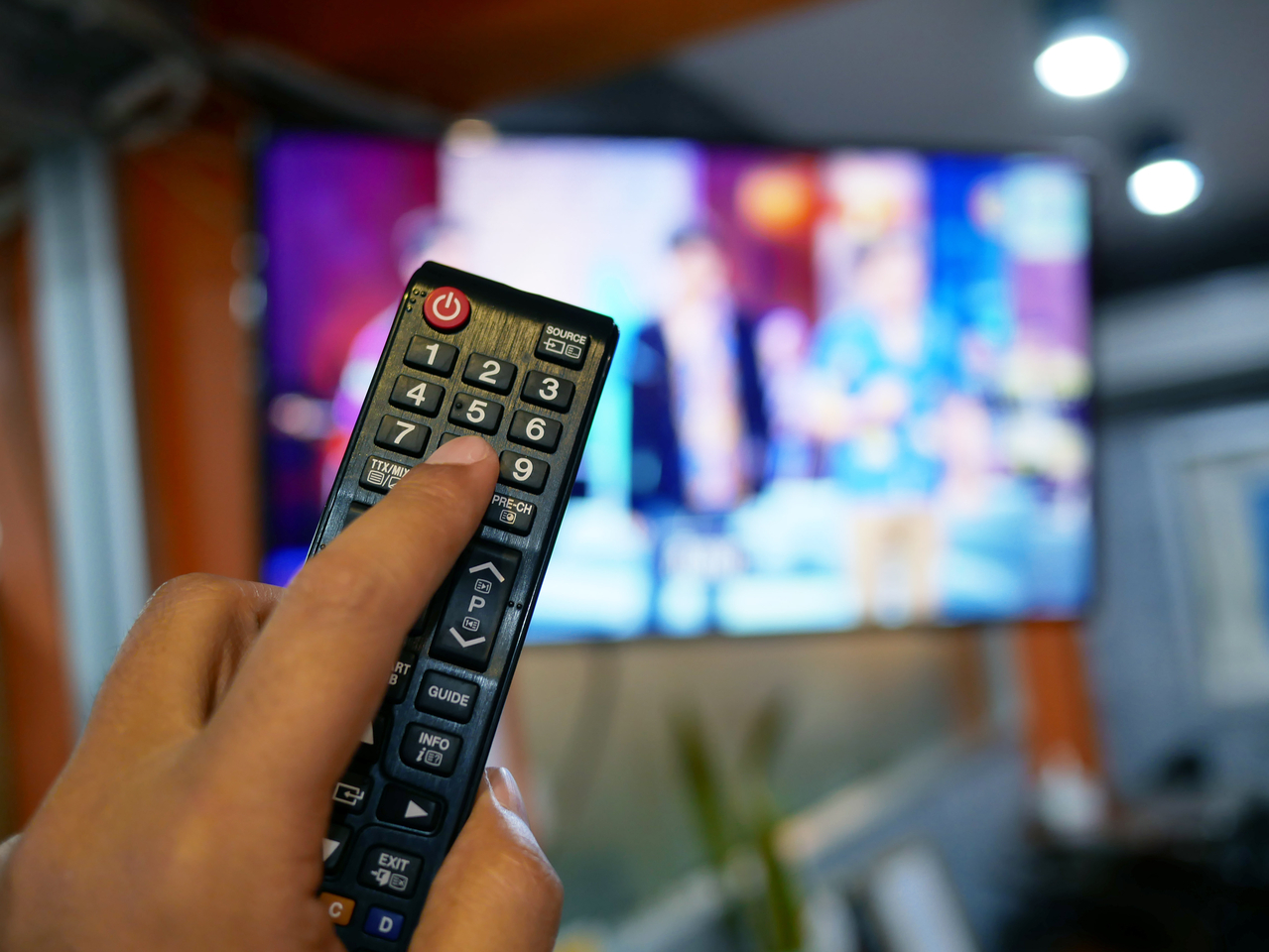
Satellite TV had its own glow up. Earlier home satellite dishes could be enormous, but in the 90s direct broadcast satellite popularized smaller, consumer friendly dishes paired with set top boxes. Those boxes mattered as much as the dish. They decrypted signals, handled interactive menus, and made television feel more like navigating software. The on screen program guide became a daily tool, and the remote control turned into a navigation device rather than just a channel flipper.
High definition television was the decade’s great promise. HDTV existed in demonstrations earlier, but the 90s were when broadcasters, standards bodies, and manufacturers argued, tested, and in some places launched real trials. The move from analog to digital broadcasting was not just about sharper pictures. Digital transmission offered better resistance to interference, the ability to carry multiple subchannels, and cleaner audio. It also forced a rethink of the entire production chain, as studios began shifting from analog tape workflows to digital editing, storage, and effects. Even shows that still aired in standard definition increasingly passed through digital tools on the way to your screen.
Sound improved too. As home theater systems became affordable, surround sound formats gained traction, and viewers started noticing that TV audio could be cinematic. At the same time, new media formats arrived that changed expectations for picture quality. The DVD, introduced in the mid 90s, brought crisp digital video and reliable chapter skipping into living rooms. Even though DVDs were not a broadcast technology, they trained audiences to expect cleaner images, fewer artifacts, and instant access to specific scenes, which raised the bar for television providers.
Interactive TV experiments popped up across the decade, sometimes ahead of what networks could support. There were attempts at enhanced broadcasts, shopping overlays, and early video on demand trials in select markets. Many of these were limited by return path connectivity and hardware costs, but they proved that viewers wanted control. That desire also fed the early DVR mindset. While the most famous DVR brands hit big a bit later, the 90s featured precursor ideas like digital recording in set top boxes, smarter VCR programming, and program guides that made time shifting easier.
Even radio joined the digital shift. The first digital satellite radio services were conceived and launched in the late 90s, showing that subscription models and nationwide digital distribution could work beyond television. Put it all together and the 1990s look like the moment TV stopped being a single signal you received and started becoming a platform. The decade’s tech firsts did not just add channels or improve clarity. They changed the relationship between viewer and screen, setting the stage for the personalized, app driven, stream anything world that followed.