Afterhours Secrets of 90s Dance Hits Pro Mode


Quiz Complete!
Afterhours Secrets Behind 90s Dance Hits
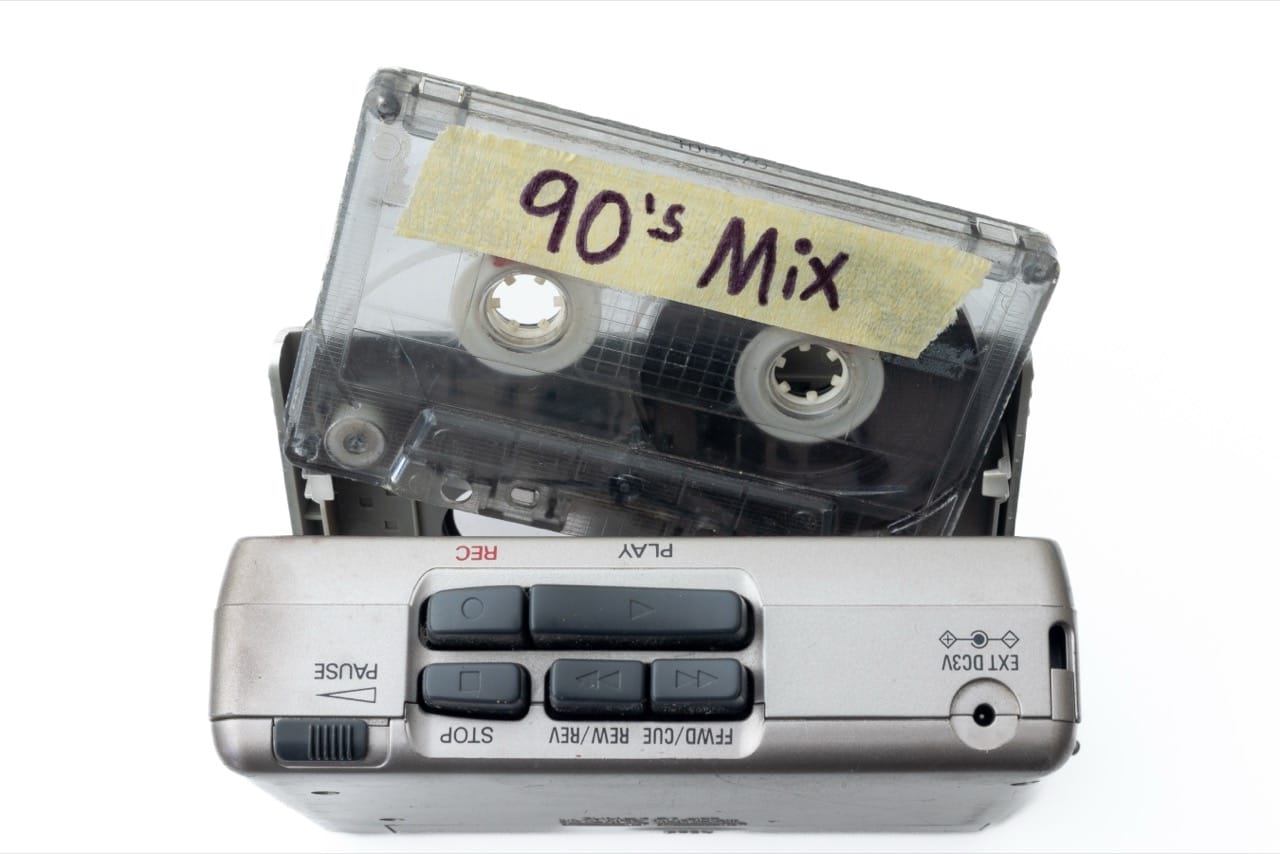
When people remember 90s dance hits, they often picture a simple four on the floor kick and a huge chorus. The reality was more like a late night puzzle solved with limited gear, tight budgets, and a lot of rule bending. Many classic records were built in small rooms on affordable samplers, drum machines, and early computers, then made to sound enormous through clever shortcuts. Producers learned how to squeeze character out of machines like the Roland TR 909 and TR 808, not just by using stock patterns, but by abusing accents, tuning the kick, and driving mixers and compressors into gentle distortion. That gritty push helped drums cut through club systems long before streaming normalization and polished mastering became the norm.
Sampling was the era’s secret engine, and it came with both magic and risk. A short vocal phrase lifted from an old soul record or a single piano chord from a disco track could become the emotional center of a new anthem. But clearing samples was expensive and slow, so many early releases appeared as white labels with minimal information. DJs would test these pressings in clubs, watching what made people rush the floor, then feed that reaction back to producers. If a breakdown emptied the room, it got shortened. If a hook caused a hands in the air moment, it got repeated. This club first feedback loop is one reason so many 90s tracks feel engineered for maximum crowd response.
Vocals were another behind the scenes story. The voice you remember might not be the artist on the sleeve. Session singers, gospel vocalists, and uncredited performers often laid down hooks in a single take, sometimes paid a flat fee without royalties. In other cases, a vocal was sampled, chopped, and rearranged until it became a new melody, making authorship hard to trace. A common trick was to record a strong lead, then layer it with pitched copies, whispered doubles, or crowd like stacks to fake the sound of a full choir. Even when budgets were small, a chorus could feel stadium sized.
Technology shifts shaped the sound too. Time stretching, once a crude process that created watery artifacts, became a creative weapon. Producers would stretch a breakbeat to match the tempo, embrace the grainy edges, then filter it so it sat behind the kick. Pitch tricks helped build tension, like raising a synth stab slightly through a build, or pitching a vocal down for menace, then snapping it back up for the drop. Early digital effects, gated reverbs, delays timed to dotted rhythms, and sweeping filters turned simple riffs into moving, hypnotic textures.
The 12 inch remix culture was practically its own economy. A radio edit might be three minutes, but the club mix could be seven or eight, designed for DJs to blend smoothly. Extended intros with clean drums, breakdowns that created anticipation, and outros that left room for mixing were not afterthoughts, they were the product. Remixes also allowed labels to reuse the same vocal and chord progression across multiple styles, from piano house to harder rave, increasing a track’s reach.
Behind the scenes, legal headaches were constant. A sample might be cleared only after a track had already become a hit, leading to rushed deals, rewritten credits, or sudden changes in later pressings. Yet these constraints also pushed creativity, encouraging producers to replay parts, disguise sources, or build new hooks from tiny fragments. The result is a decade of dance music where the most memorable moments often came from limitations, quick decisions, and the invisible work done after hours, long before the song ever reached the radio.