Amplifiers and Anthems 90s Rock Trivia







Quiz Complete!
Amplifiers and Anthems: How 90s Rock Took Over Pop Culture

In the 1990s, rock music felt like the default soundtrack to everyday life. It poured out of car stereos, dominated MTV countdowns, and showed up in movie trailers and teen comedies with such regularity that a new single could seem unavoidable within a week. Part of the decade’s magic was how many different versions of rock could share the same cultural space. A fan might buy a grunge album, catch a Britpop video after school, and end the night with an alternative rock anthem on the radio, all without feeling like they were switching genres.
The early 90s are often defined by the grunge breakthrough, when bands from the Pacific Northwest turned heavy guitars and raw emotion into mainstream currency. Nirvana’s rise in particular reshaped expectations for what a hit could sound like, and it opened doors for other acts that sounded imperfect in a compelling way. Pearl Jam, Soundgarden, and Alice in Chains each brought their own angle, from arena-sized choruses to darker, metal-leaning textures. The era also sparked conversations about authenticity, fame, and the pressures of sudden success, topics that filtered into interviews, documentaries, and the way fans read album liner notes like personal diaries.
At the same time, alternative rock expanded far beyond one scene. R.E.M. carried college-rock credibility into stadium status, while bands like Smashing Pumpkins blended dreamy layers with aggressive riffs. Radio-friendly acts such as Foo Fighters helped define a post-grunge sound that was punchy and melodic. Industrial-tinged rock and metal also found a bigger audience through artists like Nine Inch Nails, whose intense live shows and striking visuals proved that challenging music could still be hugely popular.
Across the Atlantic, Britpop turned music into a running storyline, complete with rivalries and tabloid-ready personalities. Oasis and Blur became shorthand for different cultural identities, and their chart battles were treated like sporting events. Britpop’s bright hooks and confident swagger offered a contrast to grunge’s heaviness, yet both movements fed the same appetite for guitars and big choruses.
Music television mattered in a way that is hard to replicate now. MTV could turn a video into a cultural reference point overnight, and directors used the format to create mini-movies that people discussed at school the next day. A memorable video look could define an era of a band’s career, and the presence of shows that mixed interviews, live performances, and behind-the-scenes footage made rock stars feel both larger than life and oddly accessible.
Movies and soundtracks were another major pipeline. A well-placed song could become inseparable from a film’s mood, and soundtrack albums sometimes introduced listeners to bands they might not have found otherwise. Whether it was angsty coming-of-age stories, action films, or indie dramas, 90s soundtracks helped rock travel beyond radio formats and into broader pop culture.
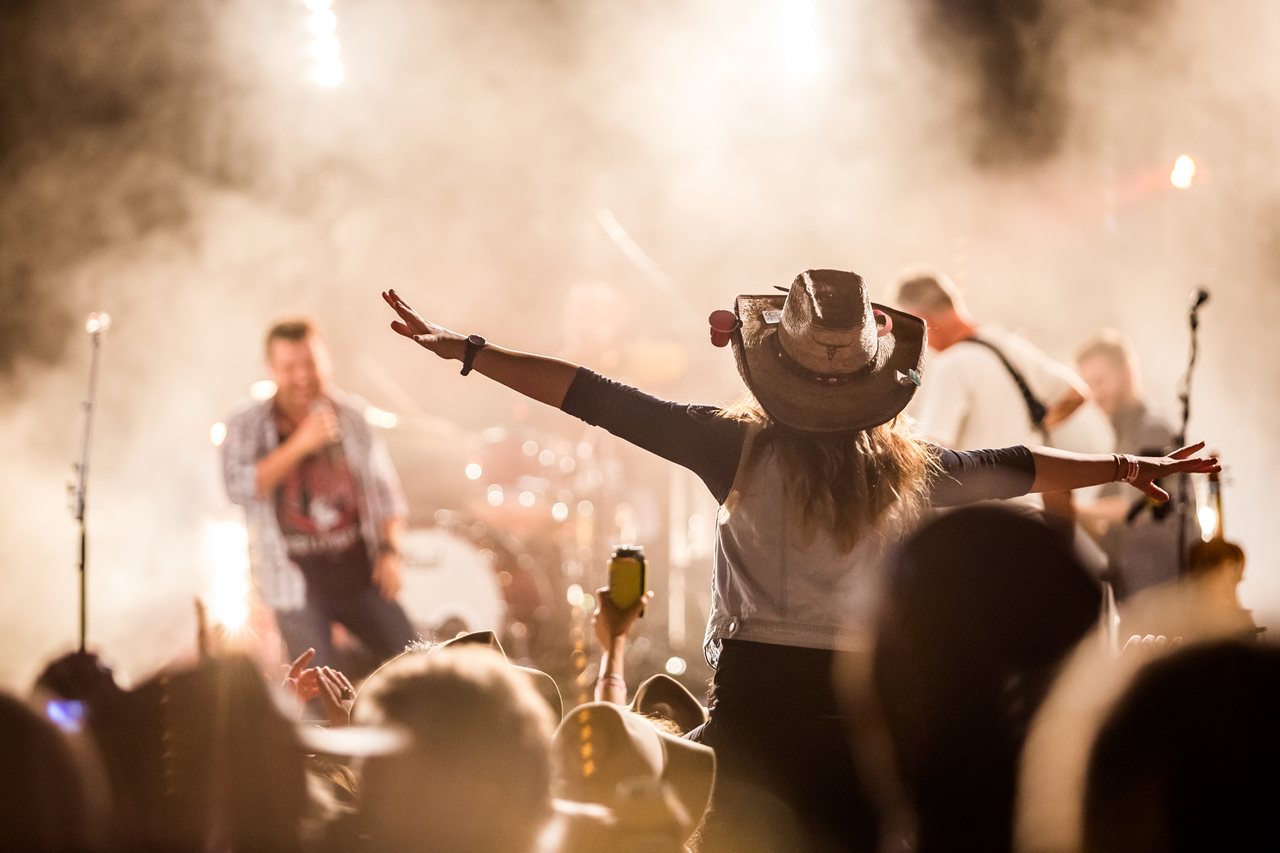
Live events cemented the decade’s mythology. Lollapalooza helped popularize the traveling festival model and brought alternative acts to wide audiences, while moments like Woodstock 94 showed how massive and chaotic rock gatherings could be. These festivals weren’t just concerts; they were cultural snapshots, capturing fashion, attitudes, and the sense that rock was still a central meeting place for youth culture.
What makes 90s rock trivia so satisfying is the mix of landmark facts and deep-cut details. One question might hinge on an album release date or a chart-topping single, while another rewards anyone who remembers a cameo in a video, a famous festival set, or the hidden track at the end of a CD. The decade’s rock story lives in riffs and headlines, but also in the small memories: the worn-out jewel cases, the lyric booklets, and the feeling that certain songs were everywhere at once.