Backstage Chaos 90s Rock Scandal Quiz Next Level








Quiz Complete!
When 90s Rock Turned Into Tabloid Theater
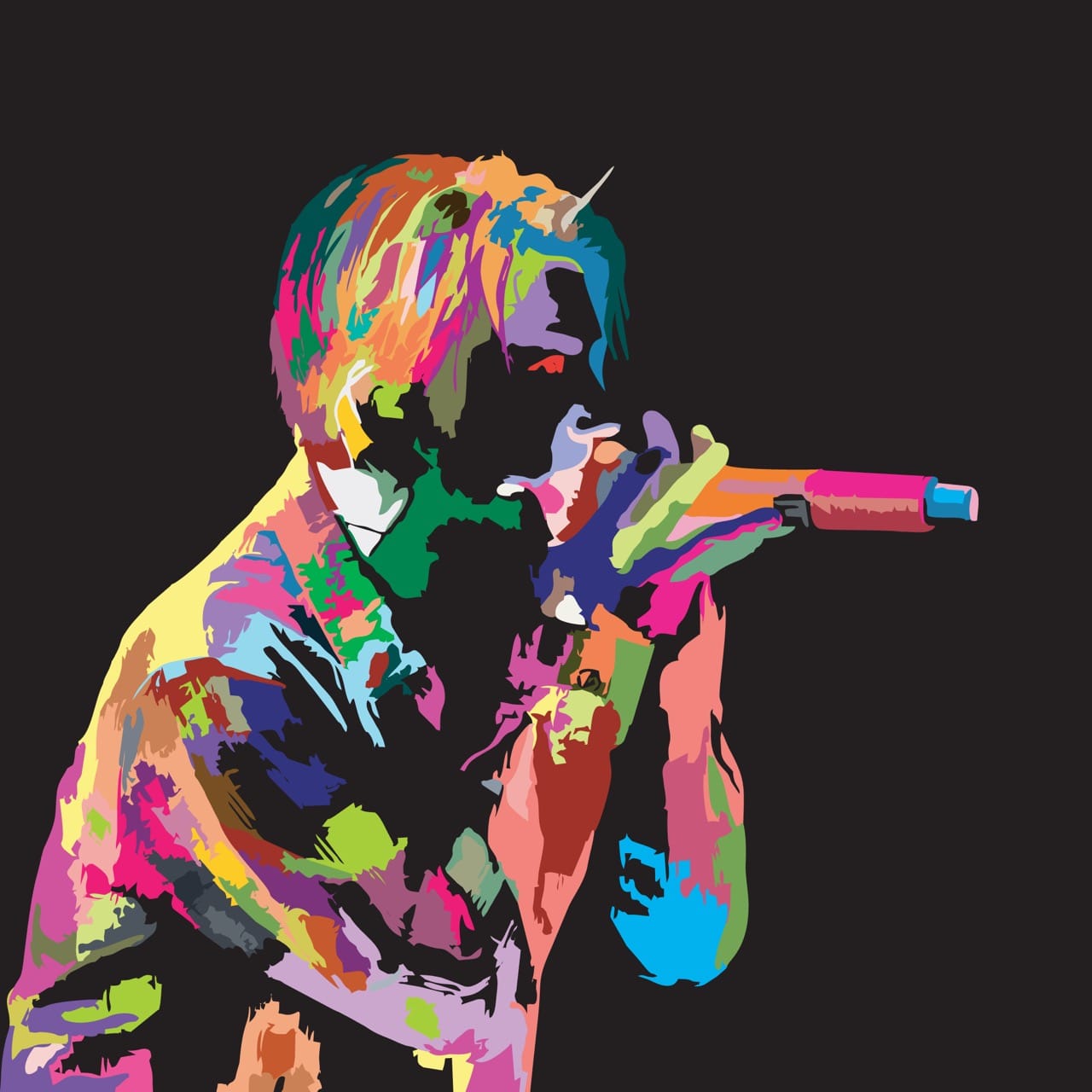
In the 1990s, rock music wasn’t just something you listened to. It was something you watched unfold in real time, often with a sense that anything could happen and probably would. The decade’s sound was shaped by alternative rock, grunge, and the last big wave of arena-sized guitar bands, but its public image was shaped just as much by backstage chaos. MTV, radio call-ins, and glossy magazines could amplify a bad night into a career-defining story, and the line between authentic rebellion and self-destruction was constantly argued about.
One reason the scandals hit so hard was the speed of the media ecosystem. A shocking quote in an interview could be replayed all day on television and then dissected for weeks in print. A fight at an awards show didn’t just stay in the room; it became a clip, a rumor, and a narrative. Labels and managers tried damage control, but the 90s also rewarded controversy. Sometimes a public feud or an onstage meltdown made a band seem more “real,” especially in a culture that prized honesty and distrusted polish.
The era’s most infamous flashpoints often involved substance abuse and the pressures of sudden fame. The grunge explosion turned musicians who wrote intimate, bleak songs into global celebrities almost overnight. That spotlight could turn personal struggles into public spectacle, and it could also harden myths. Fans still debate what was misunderstood, what was sensationalized, and what should have been handled privately. The tragedy is that some of the decade’s most talked-about moments were warning signs that the machinery around these artists either ignored or couldn’t stop.
But not every scandal was tragic. Plenty were petty, absurd, or simply the kind of chaotic behavior that becomes legend once it’s filtered through magazines and late-night jokes. Rivalries flared between bands, between singers and their own bandmates, and between artists and the press. One magazine cover could spark a months-long war of quotes. A single disastrous performance could lead to accusations of lip-syncing, sabotage, or incompetence. Even when the truth was mundane, the story grew in the telling because the audience was hungry for drama.
Legal trouble was another recurring theme. Arrests for drugs, assaults, and property damage became part of the public record, and sometimes they collided with carefully crafted images. For a few artists, the bad behavior fit the brand; for others, it threatened sponsorships, radio play, and touring opportunities. Lawsuits could be just as damaging as arrests, especially when they involved band breakups, unpaid royalties, or accusations of stolen songs. These disputes revealed how complicated rock success had become: behind the scenes were contracts, publishing rights, and business partners who didn’t care about the romance of the stage.
Censorship and backlash also defined the decade. Performances were banned, lyrics were condemned, and politicians or advocacy groups occasionally tried to turn particular artists into symbols of cultural decline. Sometimes the outrage backfired and boosted sales, but it also pushed musicians into defensive postures, where every interview felt like a trial. The 90s were full of arguments about authenticity, responsibility, and whether art could be blamed for real-world behavior. Those debates still echo today, but back then they played out in a louder, less nuanced media environment.
What makes 90s rock scandals so quiz-worthy is that they sit at the intersection of rumor and documentation. There are iconic televised moments everyone remembers, and there are half-true stories that spread because they sounded plausible. The decade taught audiences to be both skeptical and addicted to the spectacle. If you can separate what was actually reported from what was repeated, you’re not just remembering trivia. You’re remembering how pop culture turned musicians into characters and how quickly a single chaotic moment could rewrite a career.