Backstage Pass to 90s Music Milestones Rapid Fire



Quiz Complete!
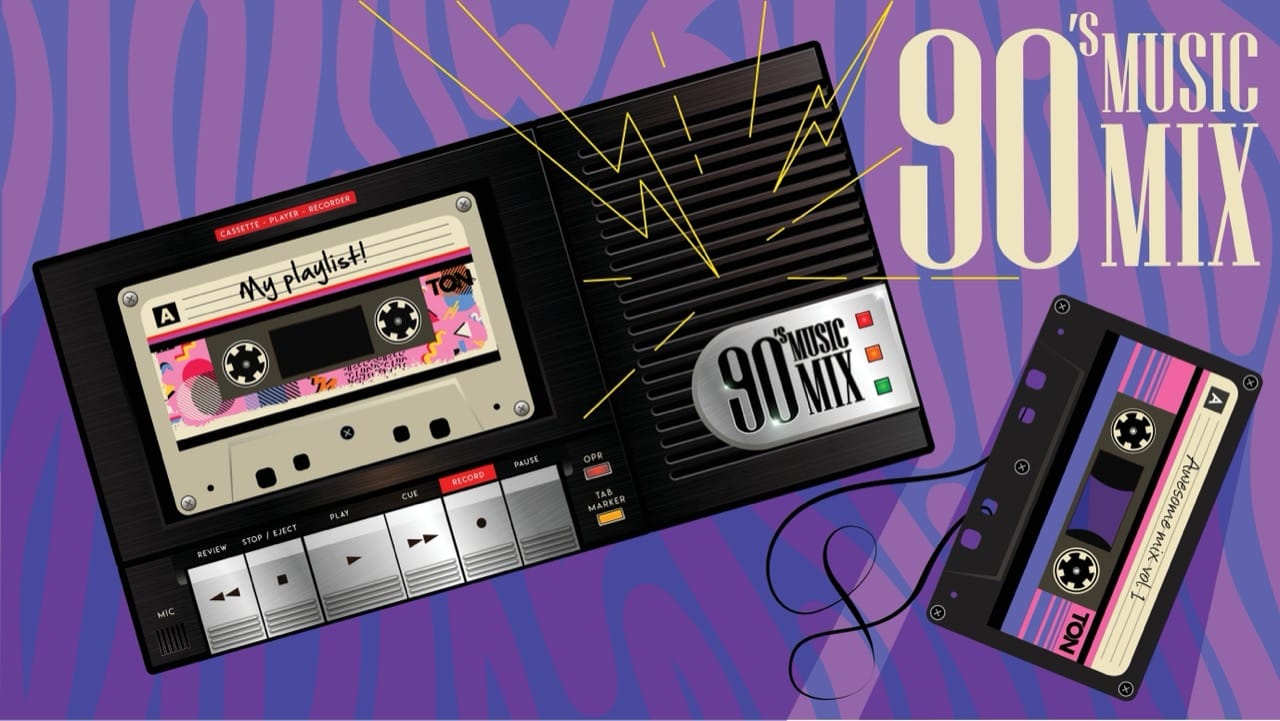
Backstage Pass to 90s Music Milestones: The Moments That Moved a Decade
The 1990s felt like music on fast forward, with styles rising, colliding, and transforming the mainstream in a single radio cycle. At the start of the decade, alternative rock was still a broad label for college stations and late night TV. Then a handful of landmark releases pushed it into the center of pop culture. Grunge in particular changed what a hit could look and sound like: heavy guitars, unpolished emotion, and a rejection of 80s gloss. Suddenly, major labels were racing to sign bands that looked like they’d rather be anywhere else than on a magazine cover. The ripple effect reached far beyond Seattle, opening doors for a wider alternative boom that included Britpop, punk revival, and the rise of singer songwriters who sounded intimate even in arenas.
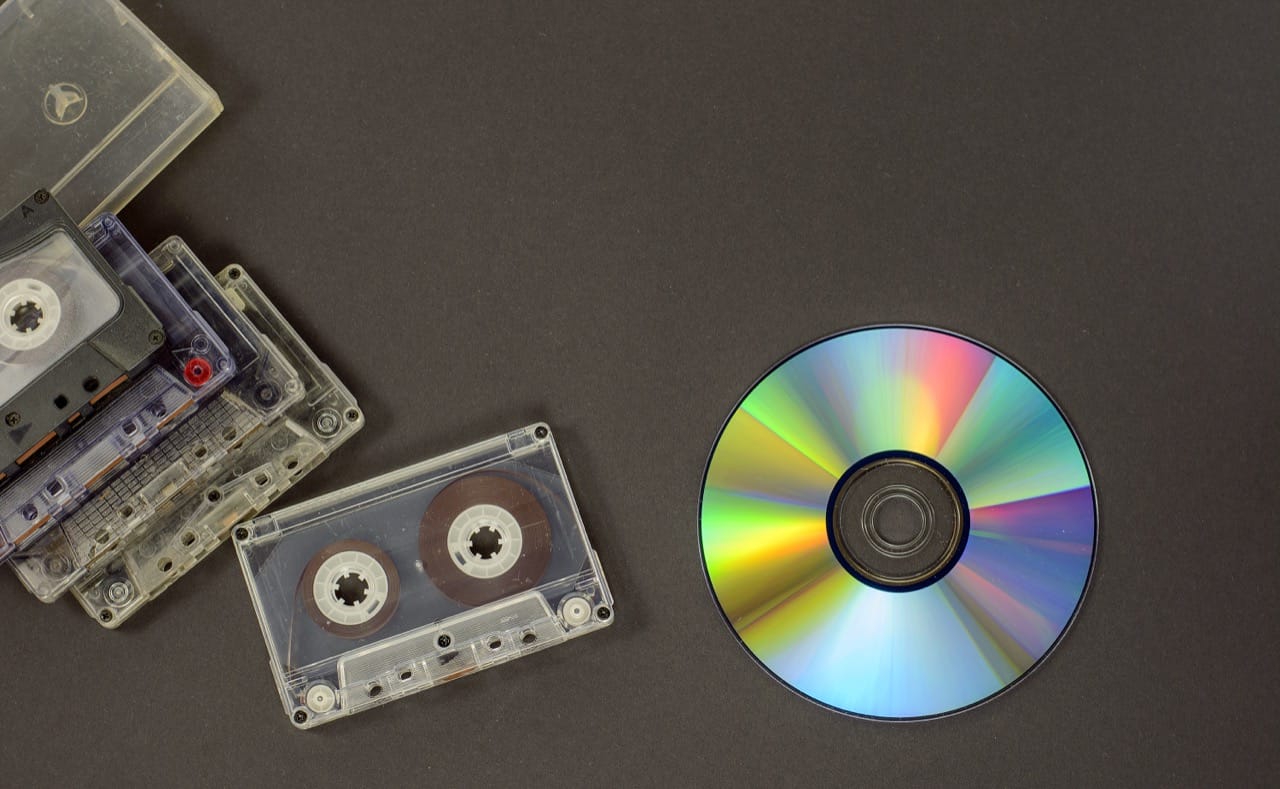
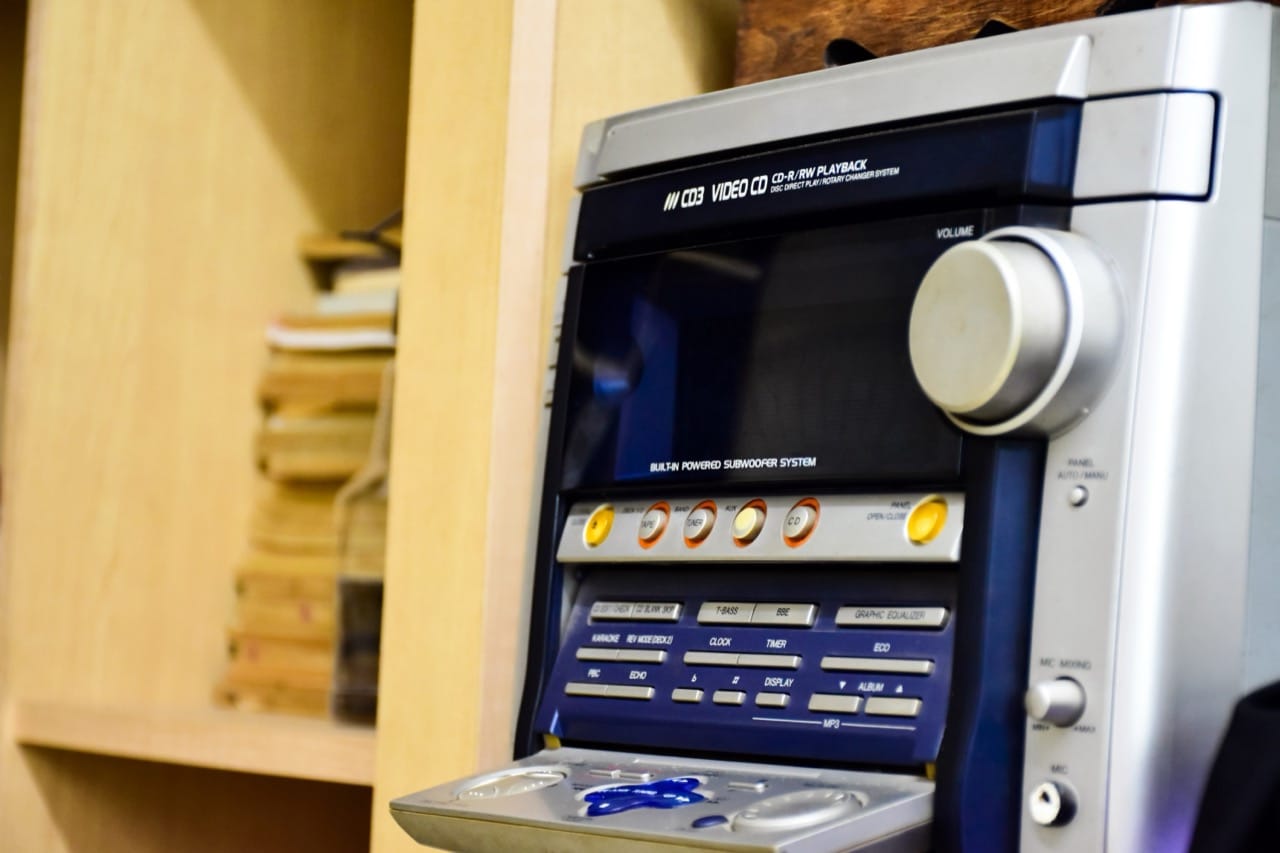
MTV remained a powerful gatekeeper, but it was also a laboratory where artists could make a moment that traveled instantly. Unplugged performances proved that a band’s identity could be reshaped by a stripped down set, and a well timed video premiere could turn a single into an event. At the same time, the CD era hit full stride. Albums were not just collections of songs but carefully sequenced experiences, and listeners often paid premium prices for a disc with one or two hits because the format made it feel permanent. That economic reality helped create the decade’s blockbuster first weeks and record breaking sales, and it encouraged labels to invest heavily in marketing, tours, and radio promotion.
Hip hop’s 90s milestones were equally defining, as the genre moved from a dominant voice in cities to an unavoidable force in global pop. Classic albums expanded what rap could be, both musically and lyrically, and regional scenes competed for attention. The East Coast and West Coast rivalry became a headline story, shaping public perception and leaving a complicated legacy that still sparks debate about media, industry pressure, and the costs of celebrity conflict. Alongside the drama, innovation kept accelerating: producers developed signature sounds, sampling became an art form with its own rules and controversies, and collaborations with R and B helped rap cross into wider radio formats.
Pop did not disappear during the grunge and hip hop breakthroughs; it simply evolved. The decade saw a renewed focus on teen idols and tightly choreographed performances, powered by radio, TV countdowns, and a global touring machine. Behind the scenes, a new kind of songwriting and production infrastructure emerged, with teams crafting hooks engineered for maximum replay. At the same time, R and B flourished in multiple directions, from smooth ballads to edgy, beat driven tracks that blurred the line between singing and rapping.
Electronic dance music also widened its footprint. What had been primarily club culture began to influence mainstream hits, whether through remixes, big beat crossovers, or the growing popularity of DJs as recognizable artists. As rave and festival culture expanded, dance music’s emphasis on the drop, the build, and the communal release started to reshape how audiences thought about live shows.
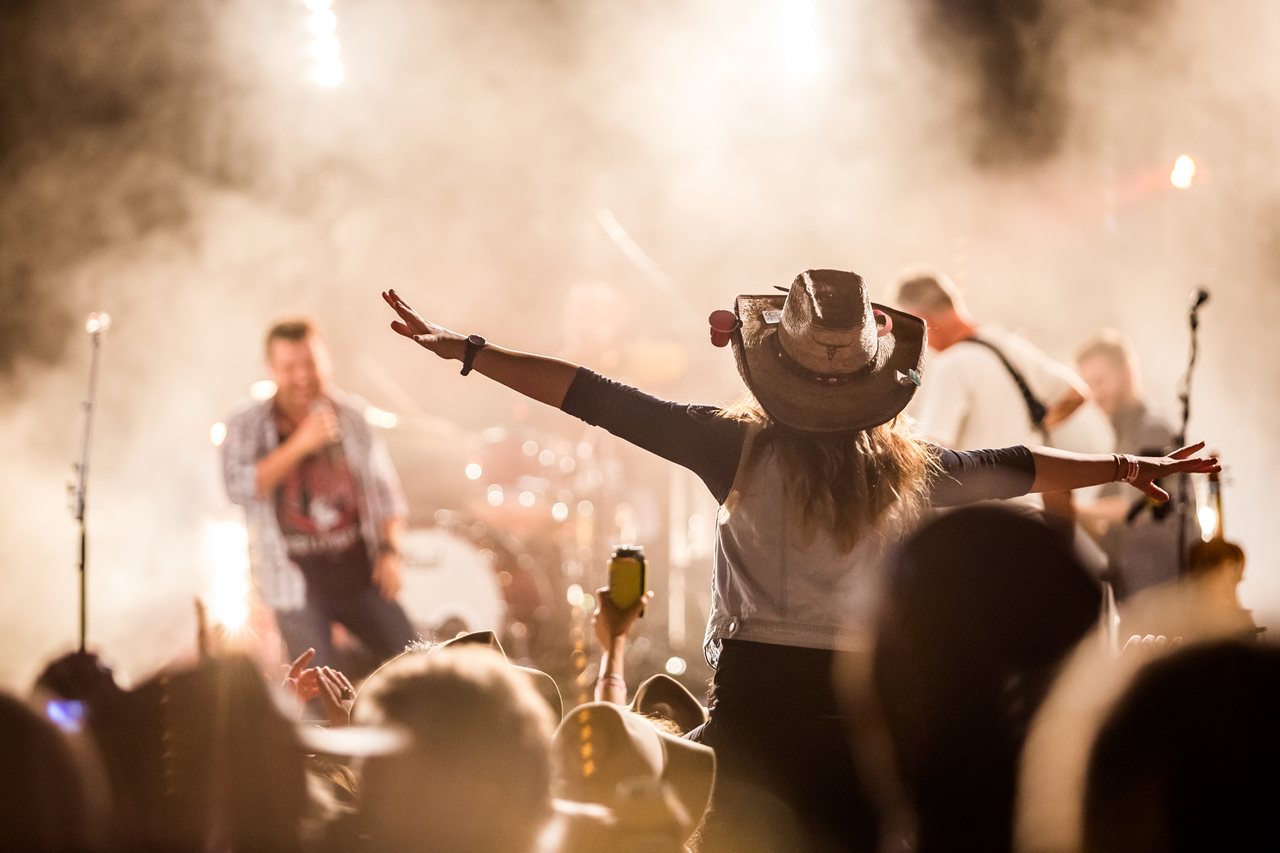
By the late 90s, the internet began quietly rewriting the rules. Fans found lyrics, rare tracks, and communities online, and file sharing hinted at the upheaval to come. The decade’s milestones are memorable because they capture a turning point: the last era when MTV could break a star overnight, when CDs dominated living rooms and car stereos, and when multiple genres fought for the same spotlight. Remembering the 90s is less about a single sound and more about the speed of change, as artists and audiences learned in real time that music history can pivot in a chorus, a video premiere, or one unforgettable live performance.