Blueprints of 90s R&B Studio Breakthroughs Deep Dive


Quiz Complete!
Behind the Board: How 90s R&B Studios Rewired the Sound of Slow Jams

When people think of 90s R&B, they often remember the voices first: stacked harmonies, ad-libs that felt like conversation, and ballads that could stop time. But the decade’s real breakthrough happened behind the board, where studios turned into laboratories for combining old-school soul emotion with brand-new hip hop tools. The result was a sound that felt both intimate and futuristic, and it reshaped not only R&B but mainstream pop.
One of the biggest shifts was rhythmic. In the late 80s and early 90s, New Jack Swing brought crisp drum machine patterns and punchy swing to R&B, but the 90s quickly pushed further. Producers began building grooves with the same hardware driving hip hop: MPC-style sampling and tight, loop-based sequencing. Instead of relying on a full band performance, a track could be assembled from a kick, a snare, a chopped sample, and a bass line played or programmed to lock in with machine precision. That “grid-tight” feel made slow jams hit harder because the pocket was so controlled, while the vocals could float freely on top.
Sampling became less of a novelty and more of a language. Producers borrowed familiar fragments from soul, funk, and even jazz, then recontextualized them as emotional shorthand. A single guitar lick or a warm chord stab could instantly signal nostalgia, while the drums and bass kept the track grounded in the present. This approach also encouraged genre blending: hip hop’s rhythmic attitude and R&B’s melodic focus started sharing the same space, setting the stage for hip hop soul and later the slicker, beat-forward style that dominated the early 2000s.
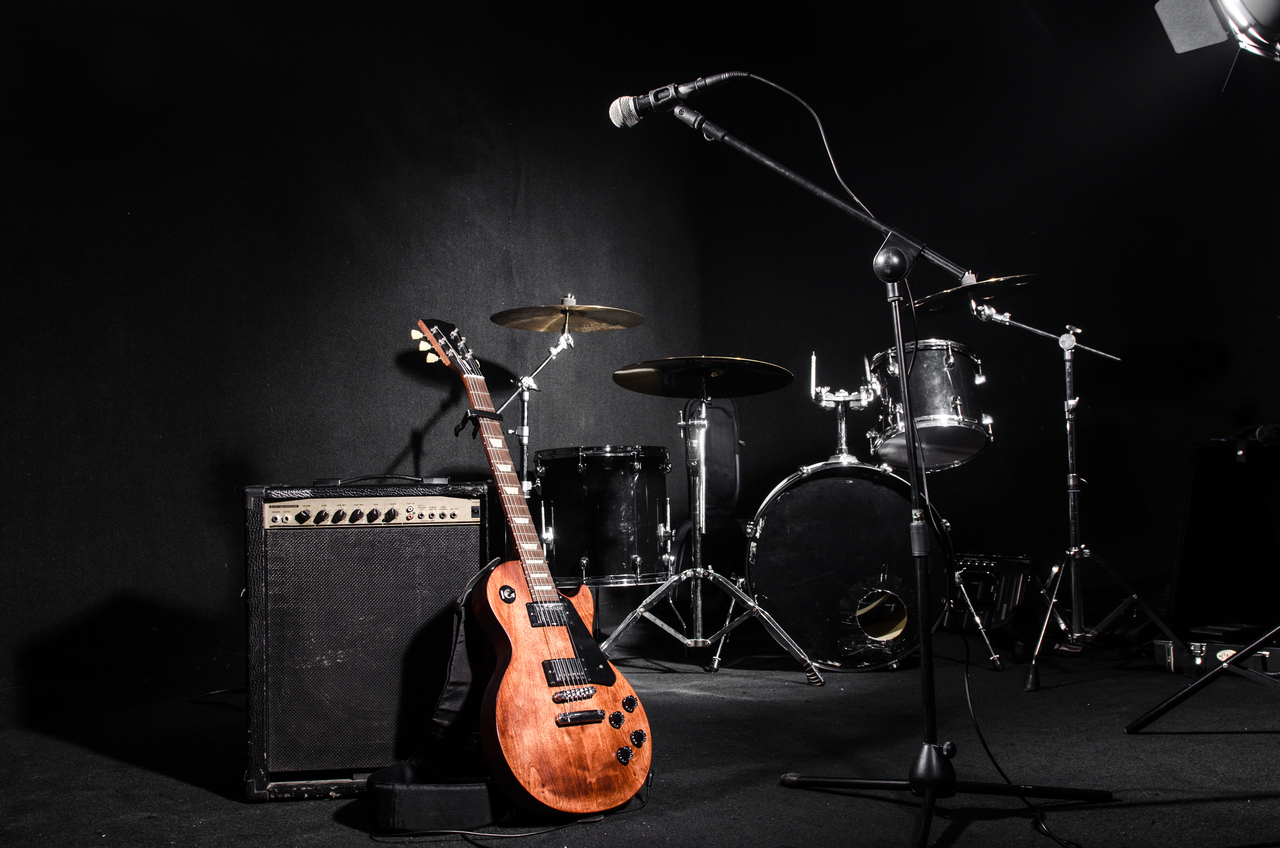
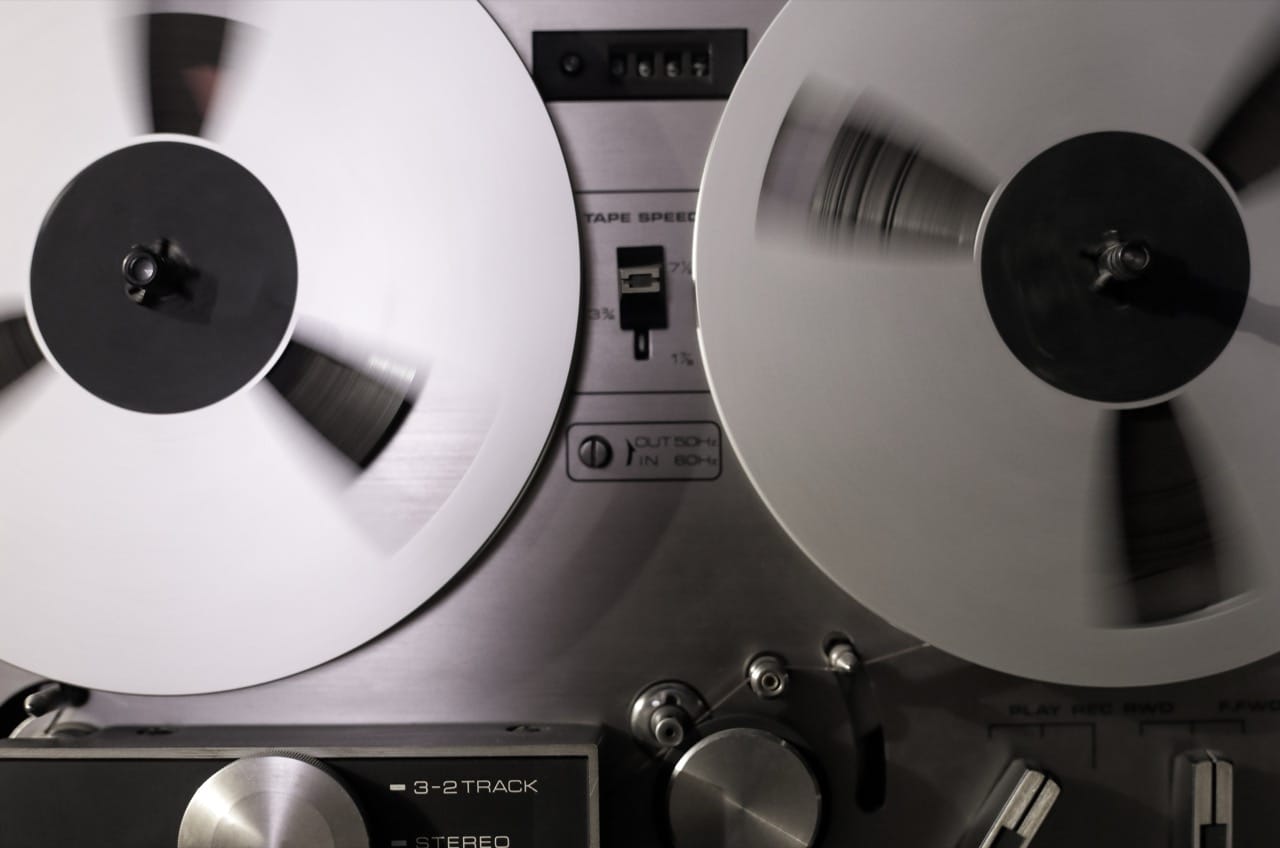
The studio itself was changing. Digital recording and editing began replacing tape workflows, and that altered how performances were captured. On tape, you aimed to get a complete take with minimal fixes. In the 90s, producers could comp vocals from multiple takes, tighten timing, and build bigger stacks without as much generational loss. That freedom encouraged experimentation: whispers doubled with full-voice leads, harmonies layered into choirs, and ad-libs arranged like percussion. Engineers became skilled at making these layers feel smooth rather than crowded, using careful EQ and compression to keep the vocal “front row” even when the track was dense.
Mixing aesthetics evolved too. R&B ballads stayed lush, but low end became more assertive as car systems and club play influenced decisions. Kicks got deeper, bass lines got rounder, and the relationship between vocal and groove became a balancing act. Reverb and delay were used not just for atmosphere but for storytelling, placing a voice in a specific emotional space. A tight, short room could feel like a confessional; a longer plate-style reverb could make a chorus feel cinematic.
Another defining innovation was remix culture. In the 90s, a song often lived multiple lives: the album version, a radio-friendly remix, and a club mix that leaned harder into hip hop drums or featured guest verses. Producers and remixers became stars because their choices could redefine an artist’s identity and push a track across formats. This era trained listeners to appreciate production as part of the artistry, not just a hidden technical step.
Early pitch tools and vocal processing also crept in. While the heavy-handed, robotic tuning associated with later decades wasn’t the norm, subtle pitch correction and editing helped polish performances and enabled more ambitious vocal arrangements. The goal was usually invisibility: keep the humanity, remove distractions, and let the emotion land.
By the end of the decade, 90s R&B had become a blueprint for modern record-making: sample-savvy, rhythm-forward, vocally meticulous, and built for multiple versions. The harmonies were still silky, but the studio breakthroughs are what made the era’s slow jams feel so powerful, so replayable, and so ahead of their time.