Bootlegs, Boy Bands, and Global Beats






Quiz Complete!
Bootlegs, Boy Bands, and Global Beats: How 90s Music Remade Listening

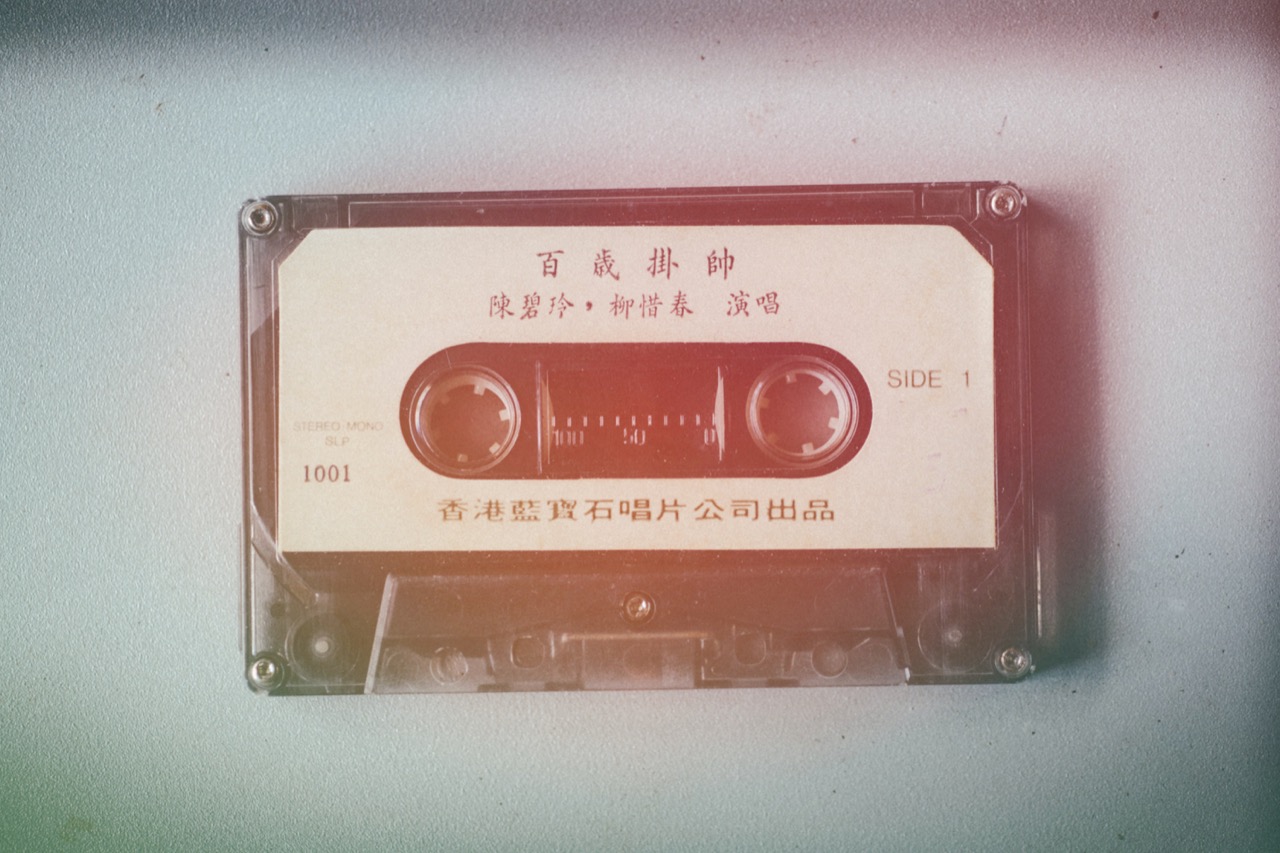
The 1990s were a turning point when music stopped being just something you heard and became something you watched, collected, traded, and argued about. The decade opened with leftover cassette habits, like rewinding tapes with a pencil to save batteries, but it quickly became the age of the compact disc. CDs felt futuristic and permanent, yet they also encouraged a new kind of ritual: reading liner notes, memorizing hidden tracks, and treating albums like carefully curated worlds. At the same time, the industry learned that an image could sell a song as powerfully as a chorus, and MTV helped turn musicians into global brands.
Sound-wise, the 90s were less about one dominant style and more about scenes colliding. Grunge brought raw guitars and flannel into the mainstream, with bands from the Pacific Northwest reshaping rock’s attitude and fashion. Across the Atlantic and in clubs everywhere, rave culture pushed electronic music into public view, with whistles, glow sticks, and all-night dancing becoming symbols of a new youth identity. Festivals grew into cultural landmarks, not just concerts but statements about community and taste, and some became infamous when the gap between idealism and commercial reality showed.
Hip-hop’s global rise may be the decade’s most far-reaching shift. It expanded beyond regional sounds into a dominant pop force, while debates over sampling raised questions about creativity and ownership. Producers treated old records like toolkits, flipping tiny fragments into new hooks, and lawsuits helped define modern copyright rules. Meanwhile, dancehall from Jamaica influenced pop and hip-hop rhythms worldwide, proving that local styles could travel fast when DJs, sound systems, and radio embraced them.
Pop itself became a carefully engineered phenomenon. Boy bands and teen idols were built for the era of music videos and mall culture, with choreography, harmonies, and marketing tie-ins that turned songs into events. Yet the decade also made room for powerful singer-songwriters, alternative voices, and genre-bending stars who could move between radio formats. In Latin pop, crossover hits brought Spanish-language sounds and bilingual identities to mainstream airwaves, changing what American radio considered “pop.”
Outside the West, huge industries evolved in their own ways. Bollywood playback singing continued to shape how millions connected to film and music, with voices becoming as recognizable as actors. In South Korea, the early foundations of K-pop formed through tightly trained groups, slick production, and a growing awareness of international trends, setting the stage for the global wave that would arrive later.
Technology was the quiet disruptor behind everything. Home CD burners and bootleg markets made music easier to copy, and by the late 90s, file sharing exploded, shaking the business model and changing listener expectations. Suddenly, a song could travel without a label, a store, or even a physical format. The 90s taught people to curate: mixtapes became mix CDs, then playlists-in-waiting, and music became a personal identity project. Whether you remember taping songs off the radio or arguing about “selling out,” the decade’s real legacy is how it rewired the relationship between artists, audiences, and the machines in between.