Campus Currents and Culture Shifts of the 90s





Quiz Complete!
Campus Currents and Culture Shifts of the 90s
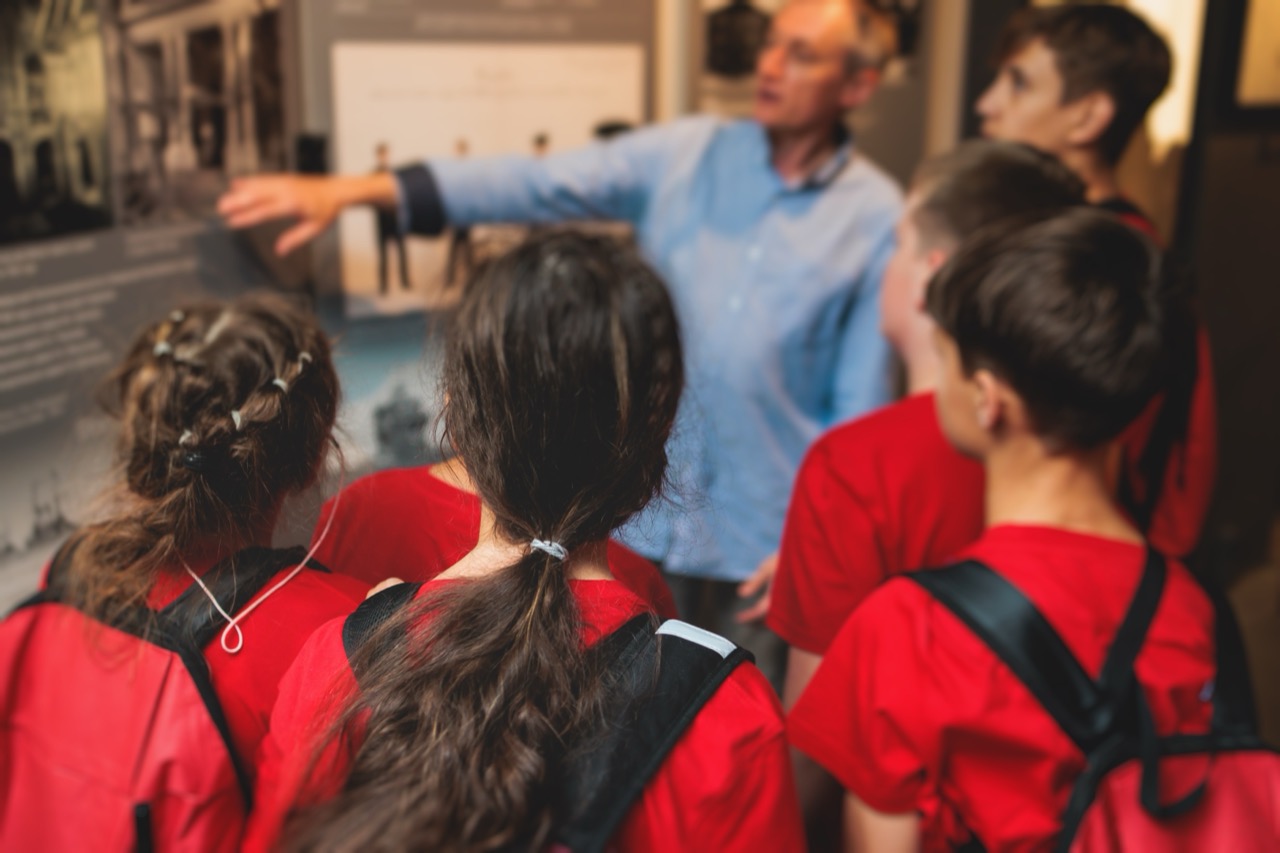
The 1990s are often remembered for catchy pop hooks, grunge fashion, and the squeal of dial up internet, but the decade also rewired what many people learned in classrooms and how the public argued about history. On university campuses, a major shift was the growing expectation that students should encounter more than a single national story or a narrow set of classic texts. Many colleges expanded multicultural requirements, added ethnic studies courses, and encouraged programs that treated race, gender, and global power as central topics rather than electives. Supporters saw this as a long overdue correction that made education reflect a diverse society. Critics warned that standards were being diluted or that politics was crowding out scholarship. Those disagreements fed the so called culture wars, where debates about the canon, Western civilization survey courses, and what counted as essential knowledge became front page news.
At the same time, new academic trends were changing how history was studied. Cultural history and social history gained momentum, focusing on everyday life, popular media, and the experiences of people who rarely appeared in older textbooks. Scholars explored how memory works, why certain events become national myths, and how museums and monuments influence what communities believe about their past. This interest in memory was not abstract. It was connected to real world reckonings taking place across the globe. South Africa’s Truth and Reconciliation Commission, established in the mid 1990s, offered a model of public testimony and imperfect justice that many students encountered in political science and history courses. In Northern Ireland, the Good Friday Agreement of 1998 became a living case study in negotiation, identity, and the hard work of building peace.
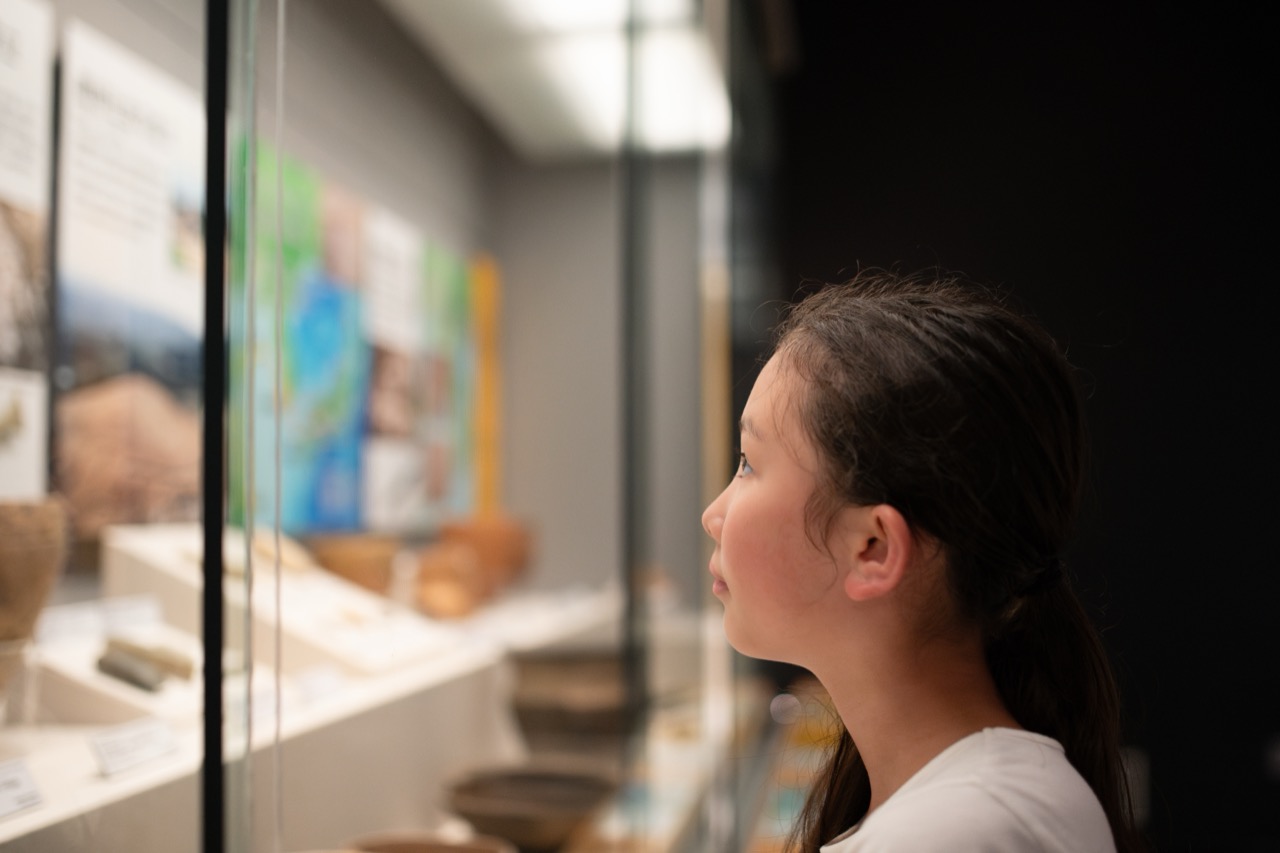
Museums and memorials also became arenas where scholarship met public emotion. Blockbuster exhibitions drew huge crowds and sparked arguments about representation and interpretation. A famous example was the controversy surrounding the planned display of the Enola Gay at the Smithsonian in 1995, which raised sharp questions about whether museums should emphasize military achievement, civilian suffering, or both. This was not just a dispute about labels in a glass case. It reflected a broader tension in the decade: many people wanted history to feel unifying and patriotic, while others demanded that it include moral complexity and multiple viewpoints.
Technology quietly transformed academic life and everyday traditions. Email spread across campuses, changing how professors assigned work and how students organized. Online databases began to replace some library routines, while newly opened archives in the post Cold War world offered fresh material on espionage, diplomacy, and state surveillance. The collapse of the Soviet Union was still close enough that each new document release could reshape narratives in real time. In classrooms, the internet also became a topic in itself, raising early debates about credibility, plagiarism, and how knowledge should be shared.
The decade’s cultural memory was shaped by headline events that quickly entered syllabi and public conversation. The Gulf War introduced a new kind of televised conflict, and later crises in Rwanda and the Balkans forced painful discussions about genocide, intervention, and the limits of international institutions. Domestically, the O J Simpson trial became a media phenomenon that prompted conversations about race, policing, celebrity, and the justice system. Even as entertainment culture grew louder, universities and museums were trying to teach the skills needed to sort evidence from spectacle.
By the end of the 1990s, many people sensed that the rules of public debate had changed. Campuses were experimenting with broader curricula, museums were negotiating between commemoration and critique, and new technologies were speeding up how quickly ideas spread. The decade left behind more than nostalgia. It left a set of ongoing questions about who gets included in history, how societies reckon with harm, and what it means to be educated in a world where the past is constantly being revised.