Pop History in 90s Movies and TV








Quiz Complete!
When the 1990s Turned History Class into Pop Entertainment

The 1990s had a special talent for making the past feel like a blockbuster. In theaters and on television, history and academic ideas were not just background flavor. They became engines for action plots, romantic dramas, sitcom jokes, and even conspiracy thrillers. Part of the appeal was scale: the decade loved sweeping stories that could justify enormous sets, exotic locations, and big moral stakes. Another part was access: museums, libraries, and universities became familiar settings, turning research into something audiences could imagine doing themselves.
Ancient history returned to the mainstream with a glossy, high-energy style. Epic films about Rome, Egypt, and the biblical world were not always strict about accuracy, but they popularized real names, real places, and real debates. Viewers heard about emperors, dynasties, and ancient wars in the same breath as sword fights and palace intrigue. Even when details were compressed or invented, these stories revived curiosity about how ancient societies worked, what their art looked like, and why their myths still mattered.
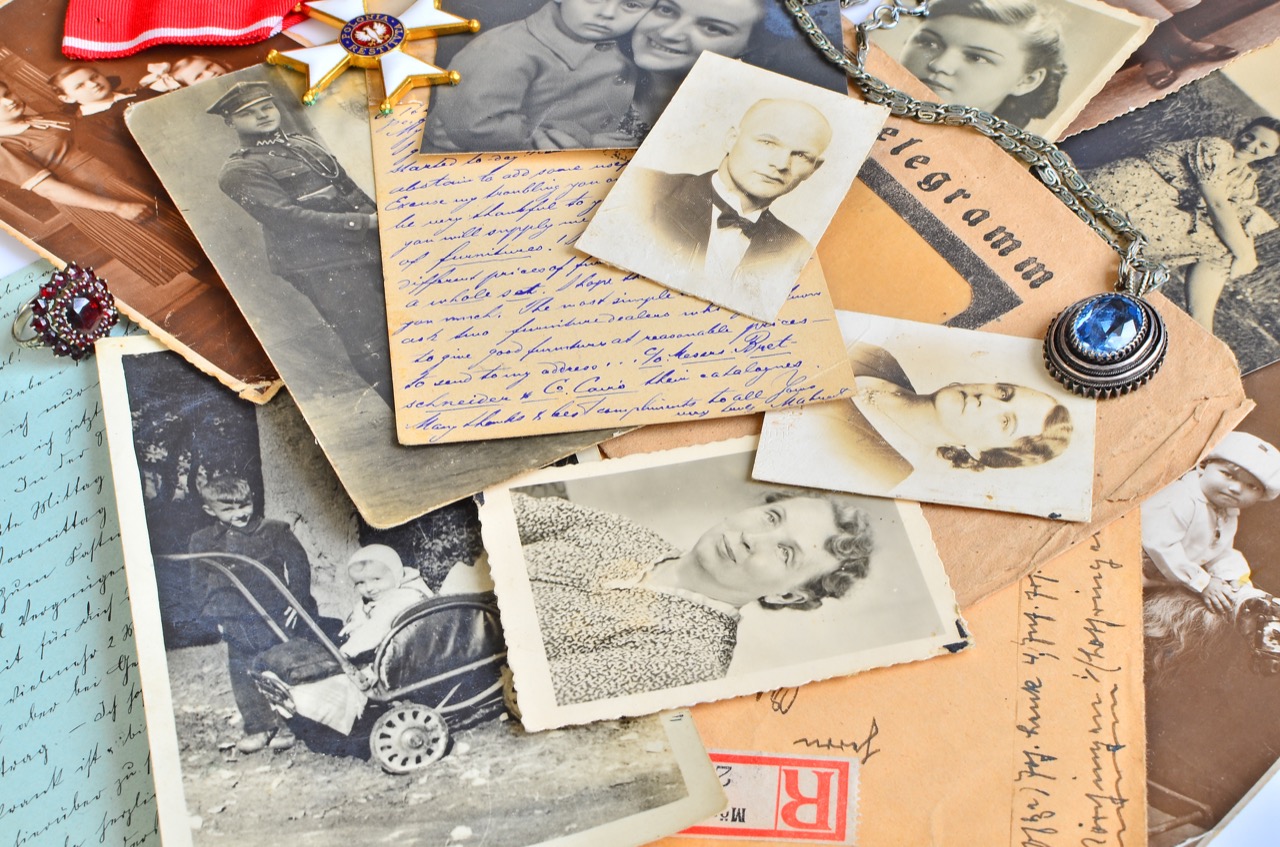
World War II and the Holocaust were also revisited in major 90s dramas that treated historical memory as a public responsibility rather than just a setting. Some films used intimate stories to convey the scale of catastrophe, while others explored the moral complexity of combat, leadership, and survival. These movies helped shape how a generation pictured the period, from uniforms and weapons to the emotional vocabulary of sacrifice and trauma. They also pushed conversations about authenticity, because audiences began to ask which scenes were based on memoirs, which were composites, and which were pure invention.
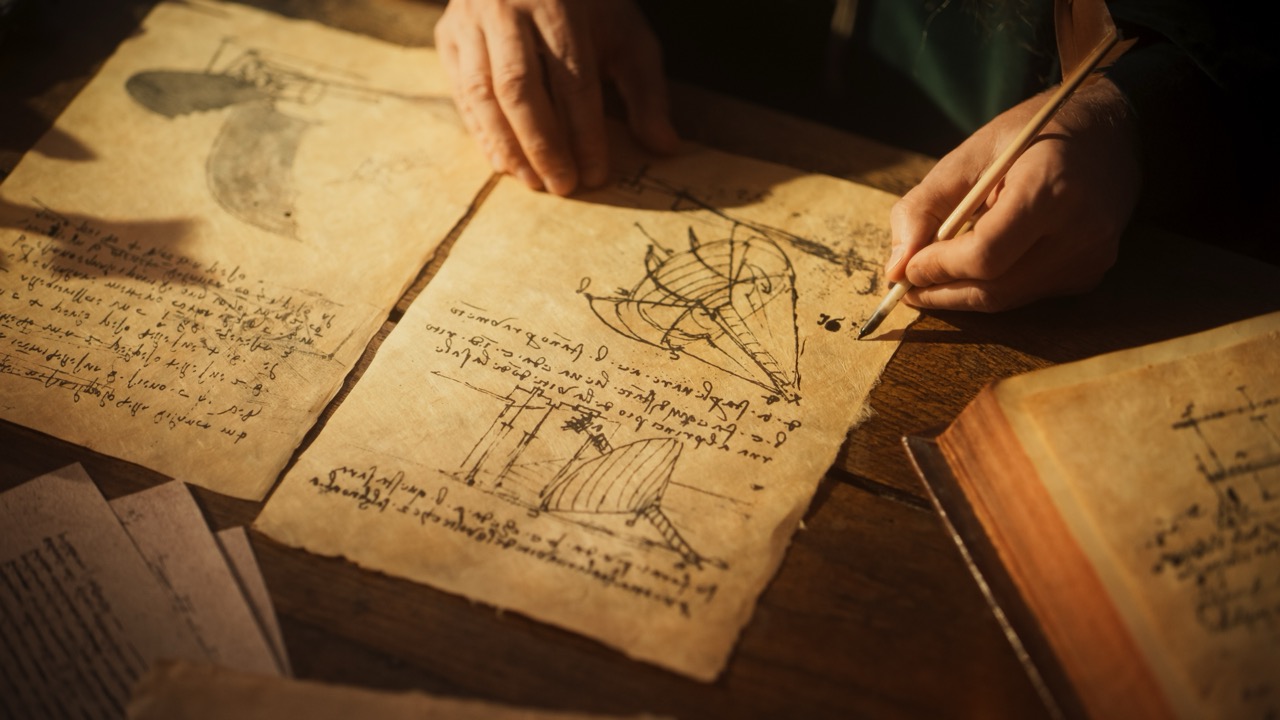
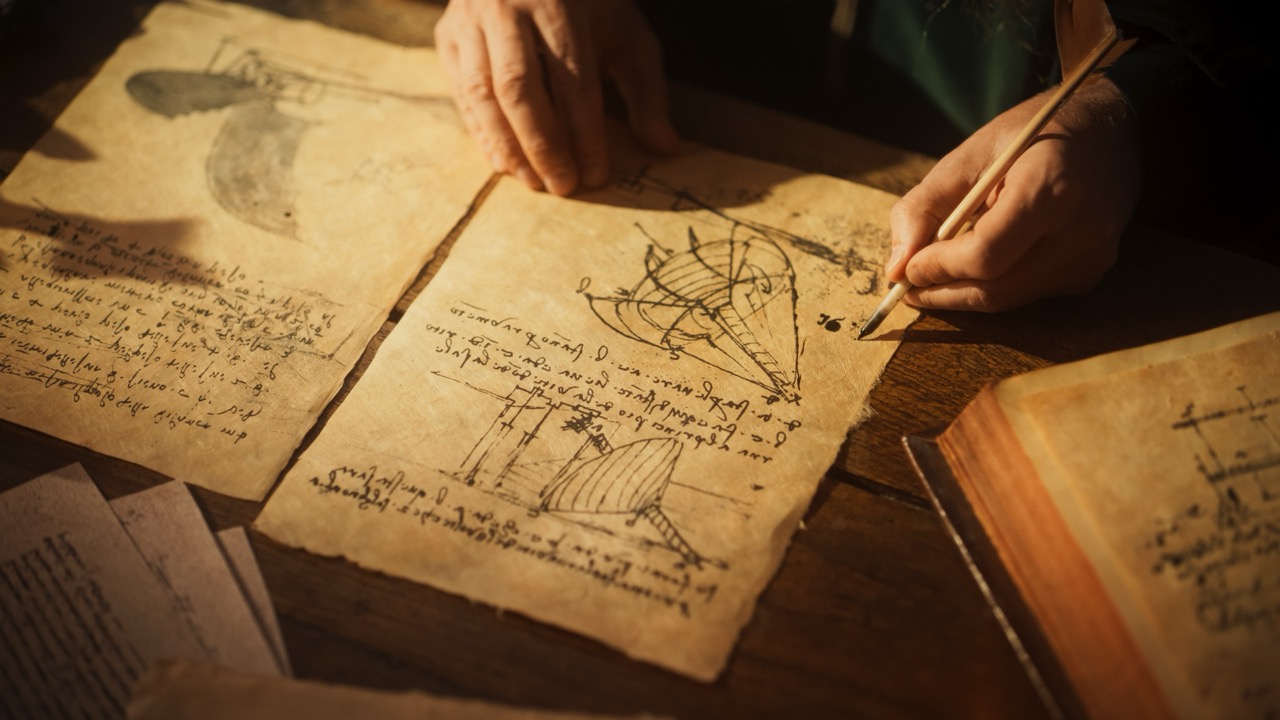
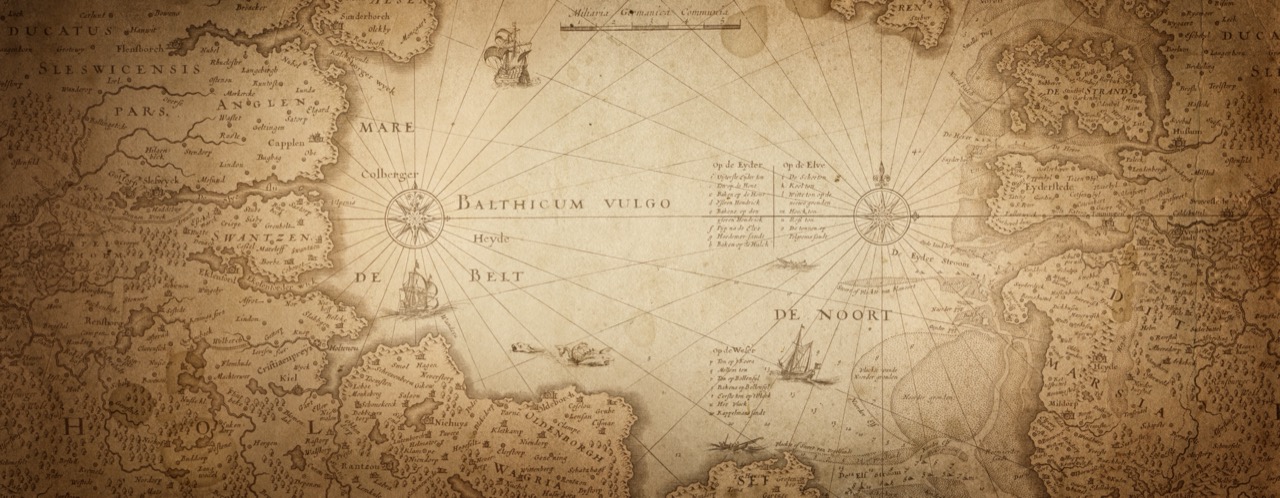
At the same time, the decade turned scholarship into adventure. Archaeology and museum work became thrilling when paired with puzzles, hidden chambers, and artifacts that seemed to carry supernatural weight. Popular stories treated objects like keys to entire lost worlds: maps, inscriptions, relics, and paintings became plot devices that could unlock secret corridors or rewrite what characters thought they knew. This reflected a real-world fascination with discoveries and exhibitions, but it also simplified how research works. Real archaeology is slow, careful, and collaborative, not a sprint through booby-trapped ruins. Still, the fantasy version made the idea of the archive feel cinematic.
Conspiracy thrillers brought another academic flavor into pop culture by borrowing the language of documents and evidence. Films and TV shows imagined government files, declassified memos, and hidden transcripts as if history were a puzzle someone had deliberately scrambled. This fit the post Cold War mood, when old certainties were being questioned and new anxieties were emerging. The idea that the truth was out there, but buried under bureaucracy or propaganda, turned historical thinking into a form of detective work. It also encouraged viewers to pay attention to sources, even if the stories often blurred the line between skepticism and paranoia.
Sitcoms and dramas joined the trend in smaller ways. Characters referenced famous historians, argued about what really happened, or used classroom concepts to make sense of relationships and identity. A joke about the Renaissance or an argument over a founding document could signal intelligence, but it also made historical literacy feel normal, something that belonged in everyday conversation.
One reason these 90s stories stuck is that they treated history as something active. The past was not just a list of dates. It was a contested narrative, a set of clues, and a stage for big human choices. If you rewatch the decade’s most memorable movies and TV with an eye for the references, you can see how often entertainment relied on real events, real debates, and real artifacts. It was pop culture doing what a good teacher does: making you care first, then sending you back to ask what was true.