Can You Name That 90s Rock Moment

Quiz Complete!
Can You Name That 90s Rock Moment: The Sounds, Scenes, and Flashpoints That Defined a Decade

If you ever hear a single snare hit followed by a wall of guitar and instantly picture flannel shirts, skate shoes, or a glowing MTV logo in the corner of the screen, you already understand why 90s rock moments are so easy to turn into a quiz. The decade took the leftover shine of 80s stadium rock and broke it into scenes that felt more personal, more argumentative, and often more unpredictable. Rock didn’t just change its sound in the 1990s; it changed how people discovered music, how bands presented themselves, and what counted as a cultural event.
Grunge became the early decade’s most famous earthquake, not because it was completely new, but because it made underground attitudes mainstream. Nirvana’s Nevermind in 1991 is the classic reference point, helped by a single that sounded like pop music being played by a band trying not to smile. Pearl Jam’s Ten, Soundgarden’s Badmotorfinger, and Alice in Chains’ Dirt helped define a heavier, moodier radio rock that still had big choruses. The mythology of the era is full of instantly recognizable details: the opening riff of Smells Like Teen Spirit, the stark honesty of lyrics that sounded like diary entries, and the way MTV’s rotation could turn a band into a household name in weeks.
Across the Atlantic, Britpop answered with a different kind of swagger. Oasis and Blur became symbols of a mid-90s moment when guitar bands argued about class, style, and what “British” sounded like, while fans picked sides as if it were a sport. Songs like Wonderwall and Girls and Boys weren’t just hits; they were social signals, the kind of tracks you could hear spilling out of cars and pubs. At the same time, alternative rock in the U.S. widened into a huge umbrella. R.E.M. stayed influential, Smashing Pumpkins blended dreaminess with distortion, and bands like Weezer turned anxiety and nerdy charm into arena-sized singalongs.
Pop-punk and skate punk provided the decade’s caffeine shot. Green Day’s Dookie and The Offspring’s Smash proved that fast, hooky songs about boredom, frustration, and bad decisions could sell millions. Blink-182 pushed the formula toward glossy, joke-filled videos that fit perfectly on late-90s MTV. Meanwhile, the idea of “alternative” kept absorbing new hybrids: rap-rock crossovers and funk-metal energy showed up in bands like Rage Against the Machine, Red Hot Chili Peppers, Limp Bizkit, and Linkin Park at the decade’s edge, bringing turntables and hip-hop cadences into rock’s vocabulary.
The 90s were also defined by where the music happened. Lollapalooza started as a touring festival that showcased alternative culture as a traveling carnival, while Woodstock 94 tried to bottle nostalgia and Woodstock 99 became infamous for chaos, highlighting how massive rock gatherings could reflect the decade’s tensions. Awards and chart milestones mattered too, but so did the smaller rituals: arguing over who sold out, debating which album was “the real one,” and recognizing a band from the first two seconds of a riff.
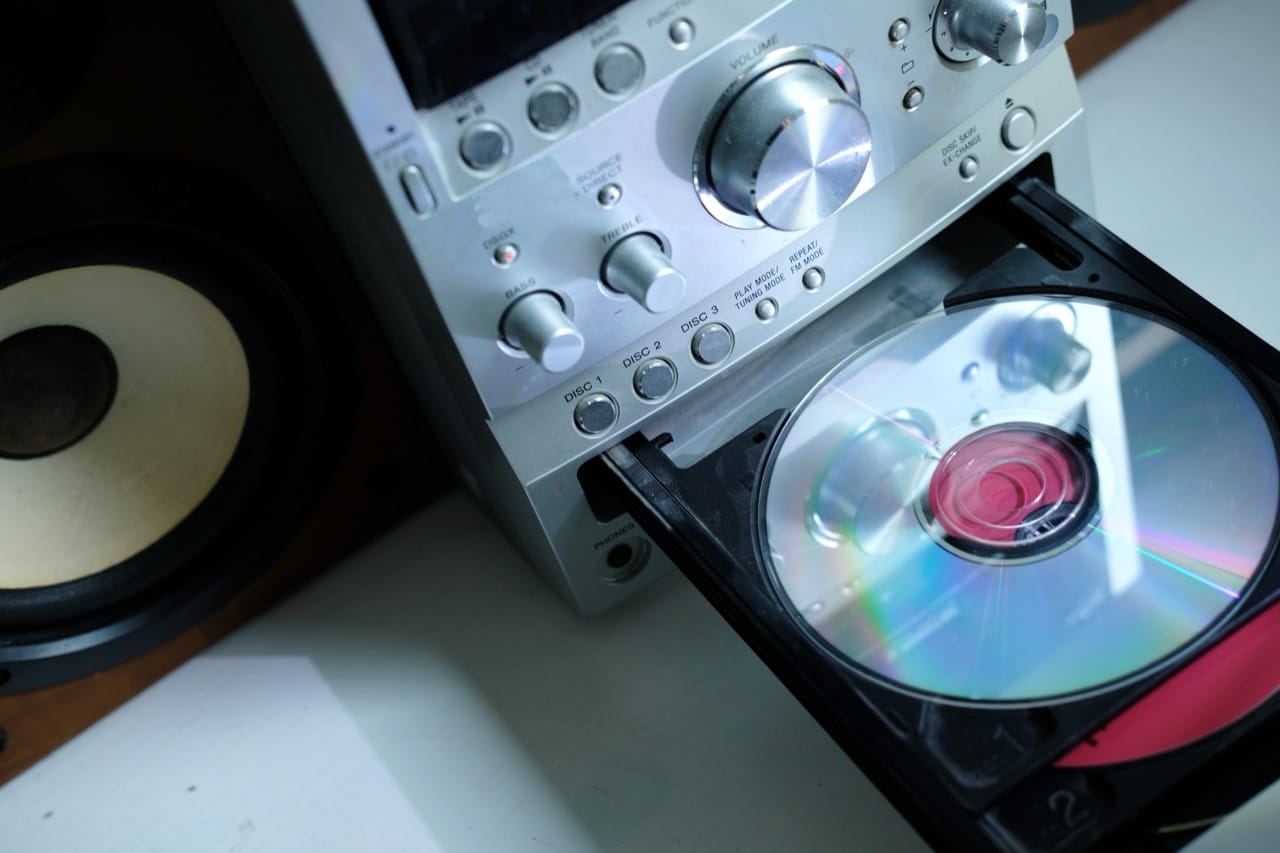
Technology quietly shaped everything. CDs ruled the marketplace, making album artwork and liner notes part of the experience, while radio and MTV still acted as gatekeepers. Yet the late 90s also hinted at the future, as file sharing and online fandom began loosening the old rules. That’s why naming a 90s rock moment can feel like time travel: each song carries not just a melody, but a whole ecosystem of fashion, media, and memories that still snaps into focus the moment the chorus hits.