Can You Survive 90s Music Deep Cuts Lightning Round









Quiz Complete!
Surviving 90s Music Deep Cuts: The Trivia Behind the Hits
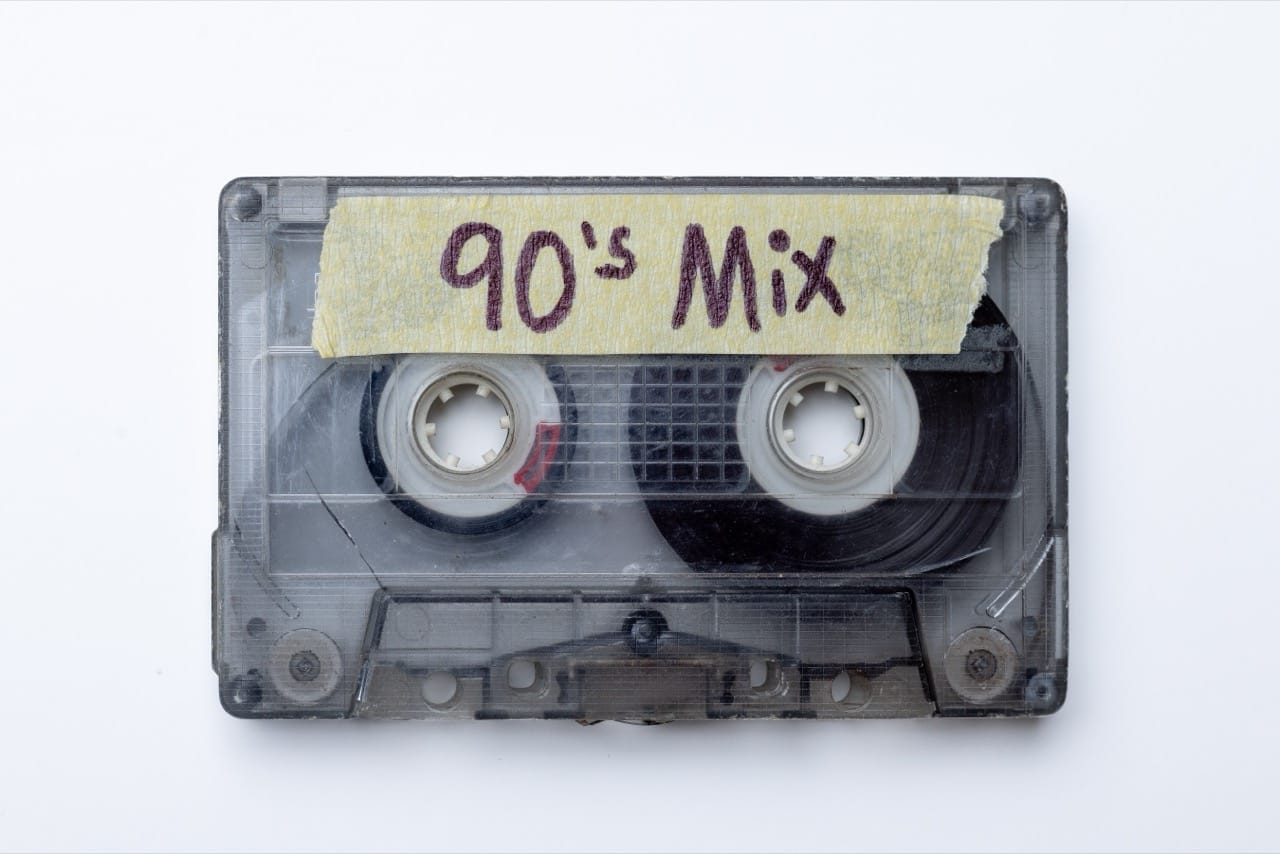
The best way to understand 1990s music is to look past the biggest hooks and into the strange machinery that made those songs famous. This was the decade when the industry fought format wars in public, when MTV could turn an unknown act into a household name overnight, and when a single could be a smash in one country and technically not exist in another. If you ever argued about whether something was a real single, or why a radio version sounded different from the album, you already know the 90s were built for deep-cut trivia.
One of the era’s oddest chart realities was how rules shaped what “counted.” In the United States, Billboard’s Hot 100 once required a physical single for a song to chart. Labels learned they could boost album sales by not releasing a commercial single at all, pushing radio-only hits that everyone knew but that couldn’t officially rank. That’s why some of the decade’s most unavoidable tracks had strange chart footprints, while other songs climbed high thanks to a well-timed cassette single. Meanwhile, the UK charts were famously sensitive to format and timing, with strict rules about track listings and release schedules, which is why collectors remember CD1, CD2, and the era of extra B-sides as chart strategy.
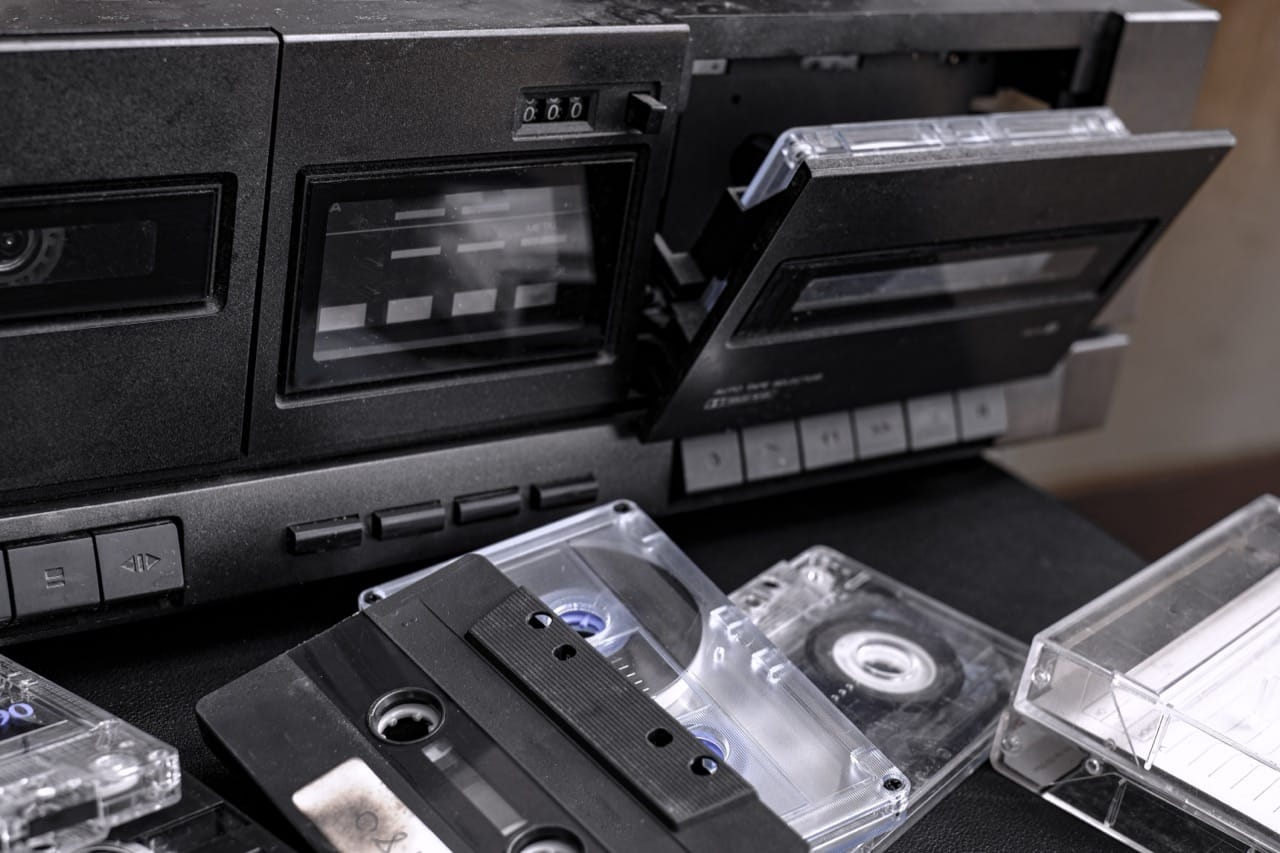
Physical formats were more than nostalgia; they changed listening habits. CD longboxes, those oversized cardboard packages used to fit CDs into old LP bins and deter theft, became a symbol of early-90s retail. By the mid-90s they were fading, partly due to environmental pressure and partly because stores adapted. Cassette singles and maxi-CDs also served different audiences: casual listeners wanted the radio cut, while club culture demanded extended mixes, instrumentals, and dub versions. Those extra tracks now function like time capsules of how songs moved between radio, clubs, and bedrooms.
Radio edits could practically rewrite a song’s identity. Sometimes it was about censorship, sometimes about time limits, and sometimes about making a chorus hit sooner. Edits might remove an entire verse, swap a lyric, or even replace an intro with a cold open. For trivia lovers, it’s a fun trap: the version you remember best depends on whether you lived with the album, the music video, or the Top 40 mix. Music videos added another layer, with alternate versions created to fit a narrative, dodge controversy, or feature a guest who wasn’t on the album take.
The 90s also turned sampling into both an art form and a legal minefield. Hip-hop and pop producers built new tracks from old recordings, but lawsuits and licensing costs increasingly shaped what was possible. Some iconic samples were cleared cheaply before the market caught up; later, the same approach could become prohibitively expensive. That legal pressure influenced sound: interpolation, where artists re-record a melody rather than lift the original audio, became a common workaround. Deep-cut questions often hinge on whether a track sampled, interpolated, or simply resembled something enough to start a dispute.
Album culture was huge, but so were soundtracks. A film soundtrack could launch a career, revive a catalog, or create a hit that felt bigger than the movie itself. Labels treated these compilations like events, stacking them with exclusives and collaborations that didn’t fit on anyone’s studio album. For some artists, the soundtrack single became the breakthrough moment that radio and MTV could agree on.
Then there’s the mythology: the one-take vocal, the last-minute label decision, the producer switch that changed an entire record, the band that delivered a masterpiece while fighting with its own management. The 90s produced landmark albums, but it also produced endless liner-note lore. If you can remember which mix was on the single, why a track charted weirdly, or how a video edit differed from the album, you’re not just hearing the songs. You’re hearing the decade’s hidden rulebook.