Canvas Chronicles: The Pop Sensation Quiz










Quiz Complete!
Exploring the Vibrant World of Pop-Art: A Cultural Revolution

Pop-art is a fascinating and bold art movement that emerged in the mid-20th century, challenging traditional notions of art by embracing elements from popular and consumer culture. This artistic revolution transformed everyday objects into extraordinary icons, offering a vibrant tapestry of color, form, and commentary that continues to captivate audiences worldwide.
The roots of pop-art can be traced back to the 1950s and 1960s, a time when mass media and consumerism were rapidly growing in influence. Artists of this movement sought to blur the boundaries between high art and popular culture, often incorporating imagery from advertisements, comic strips, and everyday consumer goods into their works. This approach was a reaction against the elitist attitudes of the art world and a celebration of the mundane aspects of modern life.
One of the most iconic figures associated with pop-art is Andy Warhol. Known for his groundbreaking works that depicted consumer products like Campbell's Soup Cans and celebrity portraits such as Marilyn Monroe, Warhol's art was both a reflection and critique of American consumer culture. His use of repetition and mechanical reproduction techniques highlighted the commodification of art and questioned the notion of originality.
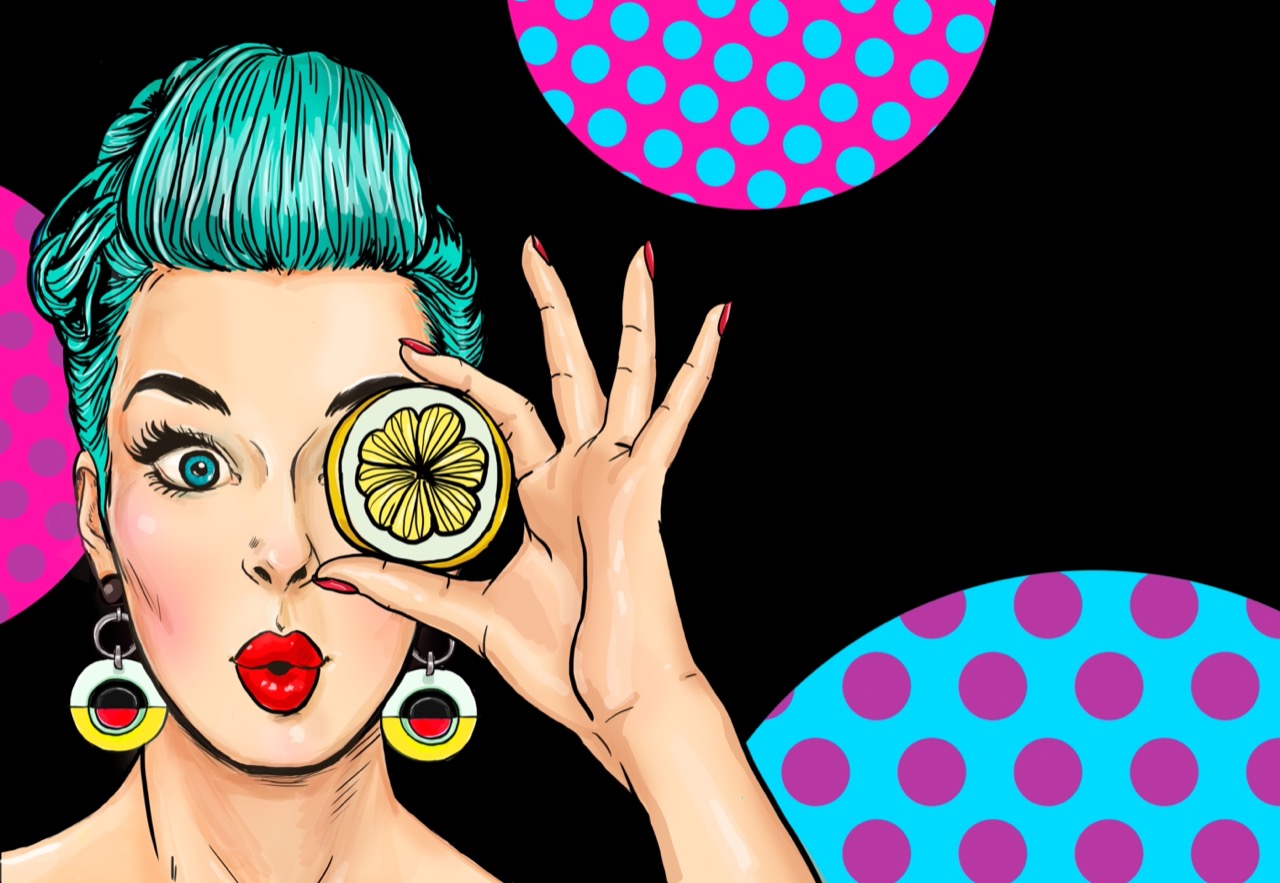
Another key figure in the pop-art movement is Roy Lichtenstein, whose work is characterized by its distinctive use of comic strip aesthetics. Lichtenstein's paintings often featured thick black outlines, bold colors, and Ben-Day dots, a printing technique used in commercial art. His pieces, such as "Whaam!" and "Drowning Girl," are celebrated for their dynamic compositions and their exploration of themes like romance and heroism, all while elevating the comic book style to the realm of fine art.
The pop-art movement was not limited to the United States; it also flourished in the United Kingdom. British artist Richard Hamilton is often credited with creating one of the first pieces of pop-art, "Just what is it that makes today's homes so different, so appealing?" This collage encapsulated the essence of consumer culture with its mix of advertisements and modern household items, offering a satirical look at contemporary life.
Pop-art’s influence extended beyond visual arts into music, fashion, and design. It played a significant role in shaping the aesthetics of the 1960s and 1970s, with its bold colors and playful imagery becoming synonymous with the era's cultural landscape. The movement’s legacy can be seen in contemporary art and popular culture, where its themes and styles continue to inspire new generations of artists.
In conclusion, pop-art was a significant cultural phenomenon that redefined the art world by embracing and critiquing the rapidly changing consumer landscape of the mid-20th century. Its legacy lies in its ability to transform the ordinary into the extraordinary, encouraging viewers to see the world through a different lens. Whether you're a seasoned art aficionado or just beginning to explore the vibrant world of pop-art, there's no denying the movement's lasting impact on art and culture. So as you delve into the "Canvas Chronicles: The Pop Sensation Quiz," remember that each question is an opportunity to further appreciate the bold and dynamic universe of pop-art.