Neon Nights and Global Headlines Trivia






Quiz Complete!
Neon Nights and Global Headlines: A Fast Tour Through an Iconic Decade

Introduction The 1980s are often remembered in bright colors and bold sounds, but the decade was also a serious turning point for politics, technology, and global culture. It was a time when people lined up for blockbuster movies, watched world events unfold on nightly news, and brought new gadgets into their homes that would change daily life. A trivia quiz about the era is more than nostalgia. It is a quick way to see how entertainment, headlines, and inventions connected to shape what came next.
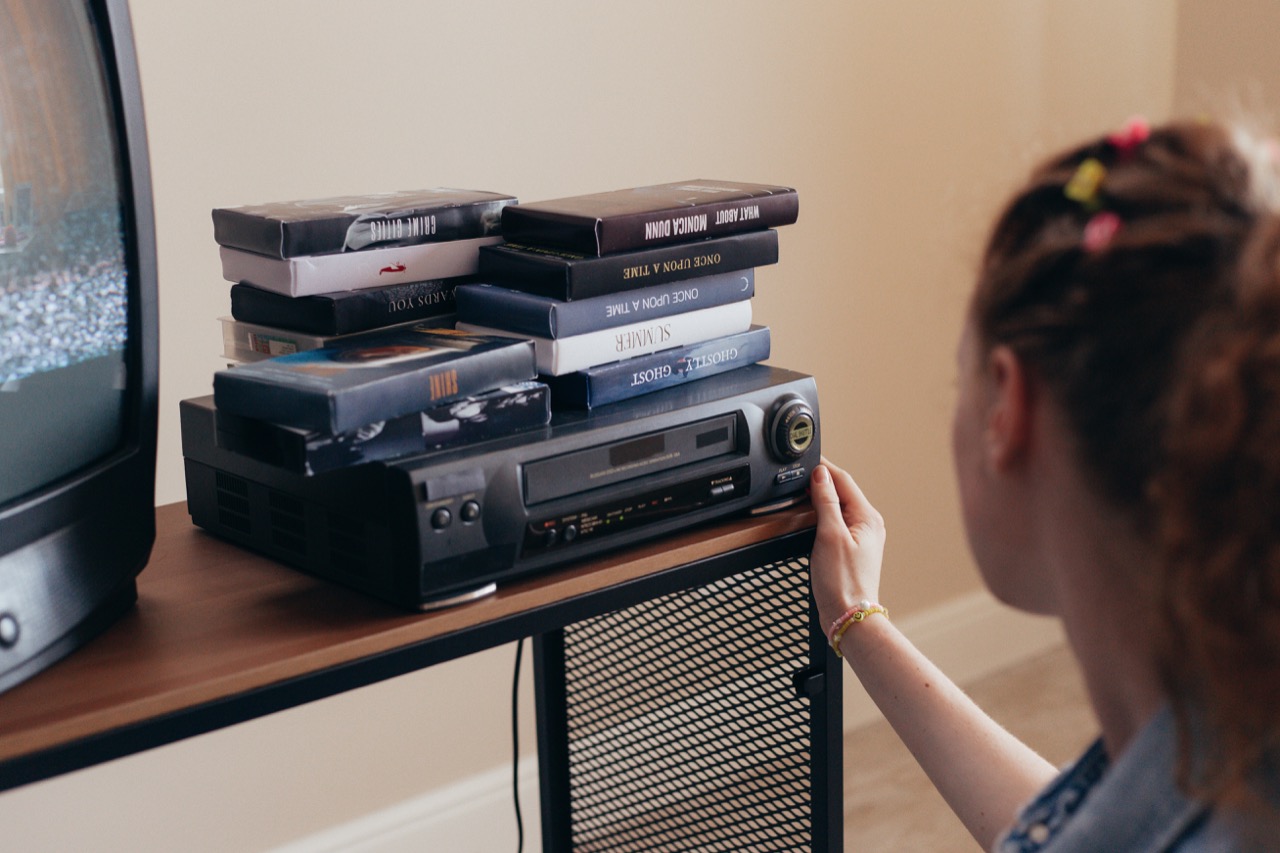
Movies, music, and the rise of shared pop culture Few decades produced as many instantly recognizable films. Big franchises and high concept comedies filled theaters, while home video made it possible to rewatch favorites and quote them endlessly. The growth of cable channels helped create national conversations around the same music videos and celebrity moments. Pop and rock stars became global brands, and the decade’s sound was defined by synthesizers, drum machines, and stadium sized choruses. Music charts reflected both flashy mainstream hits and the spread of new scenes, from hip hop’s rapid expansion to alternative styles that would dominate later.
Television also became more influential. Sitcoms and dramas reached huge audiences, and major live broadcasts turned into communal events. Awards shows, charity concerts, and headline making interviews helped create a sense that pop culture was a shared timeline, even before social media existed.
World events and political turning points The 1980s were packed with news that still shapes the present. The late Cold War era brought tension, diplomacy, and dramatic shifts in Eastern Europe. Images of historic speeches, protests, and border changes became defining symbols of the period. At the same time, many countries experienced economic changes, debates over government policy, and social movements that influenced later generations.
Global headlines also included major disasters and humanitarian crises that changed safety rules, international cooperation, and public awareness. Trivia questions often test not only what happened, but when and why it mattered, which is a useful reminder that the decade’s big moments were not just background noise to pop songs.
Sports, style, and the business of fame Sports grew into an even bigger media spectacle. International competitions, legendary rivalries, and record breaking performances became part of everyday conversation. The era also saw athletes and teams turn into marketing powerhouses, with endorsements, signature gear, and memorable commercials.
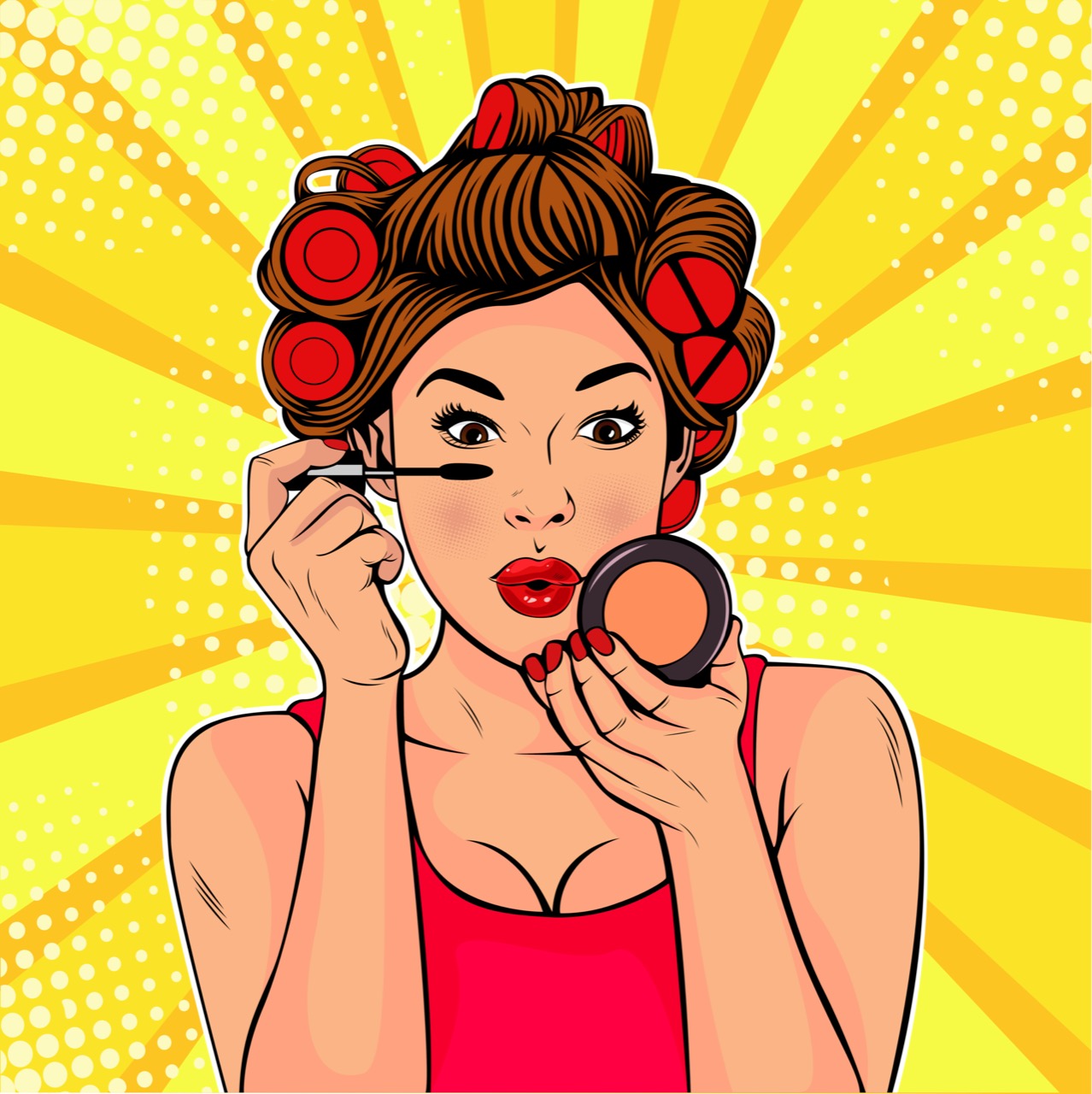
Fashion, meanwhile, leaned into confidence and exaggeration. Big hair, bold makeup, and strong silhouettes reflected a culture that liked to be seen. Trends moved quickly, and what people wore was tied to music scenes, TV characters, and brand identity. Even if some looks seem extreme now, they capture the decade’s love of statement making.
Tech breakthroughs that quietly changed everything Under the neon surface, the biggest long term shift may have been technology. Personal computers entered more homes and offices, changing how people worked, learned, and played. Video games moved from arcades to living rooms, and handheld devices began to appear. New formats for music and video competed for attention, and the idea of owning a personal media library became normal.
These changes laid the groundwork for the connected world that followed. Many quiz questions about gadgets and firsts highlight how quickly the tools of everyday life evolved.
Conclusion Neon Nights and Global Headlines captures a decade that was loud, inventive, and historically important. The fun of trivia is recognizing a movie quote or a chart topping hit, but the real reward is seeing how entertainment, world events, sports, and technology fit together on the same timeline. Whether you lived through the era or discovered it later, revisiting the 1980s is a reminder that culture and history are always influencing each other, often in ways people only notice years later.