Everyday 90s Metal Moments Trivia Challenge Bonus Round

Quiz Complete!
Everyday 90s Metal Moments: How Heavy Music Became a Daily Habit
Metal in the 1990s wasn’t confined to clubs or magazine covers. It threaded itself through ordinary routines, turning commutes, classrooms, and weekend hangouts into small, personal listening stations. The decade’s heavy music boom arrived at the same time as new ways to discover it, and that mix made metal feel less like a distant scene and more like something you could carry in your pocket, trade with friends, and argue about online.
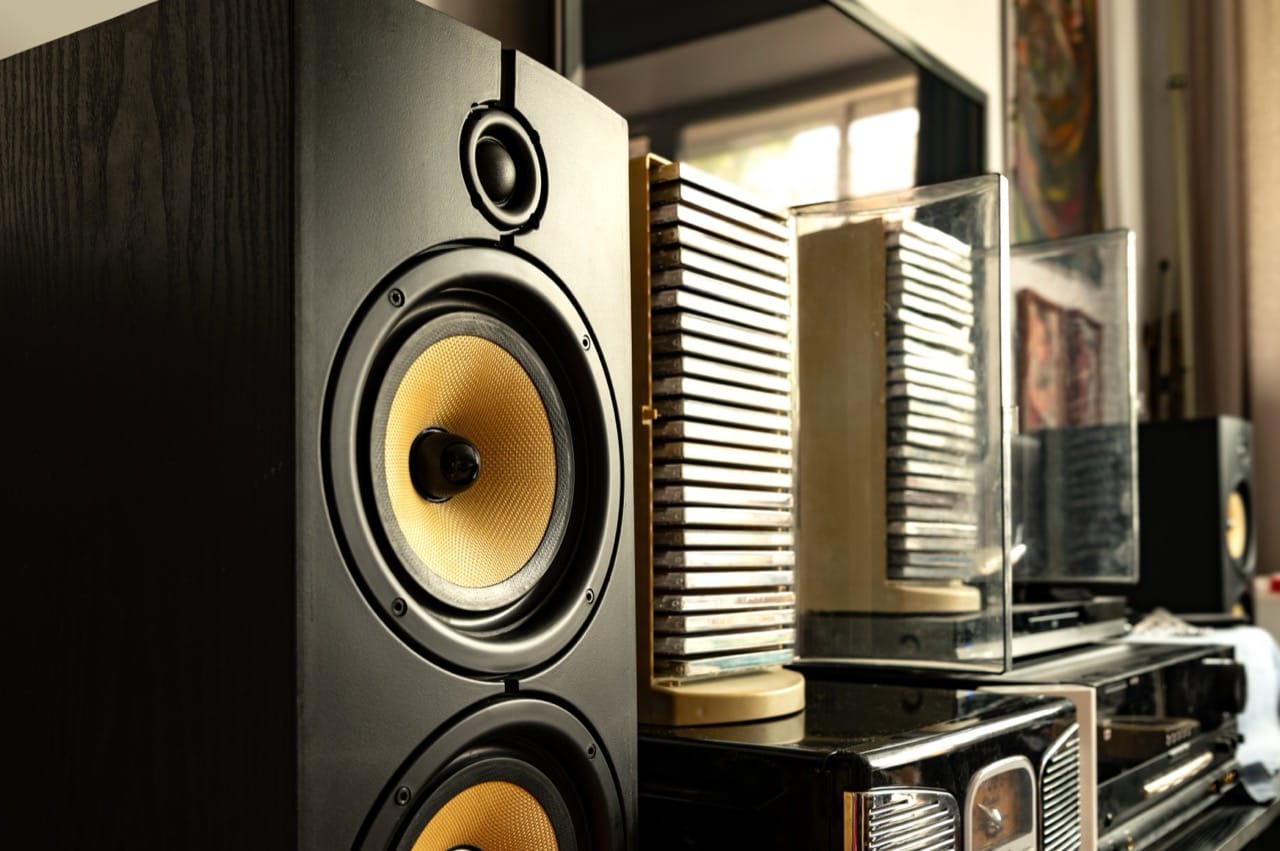
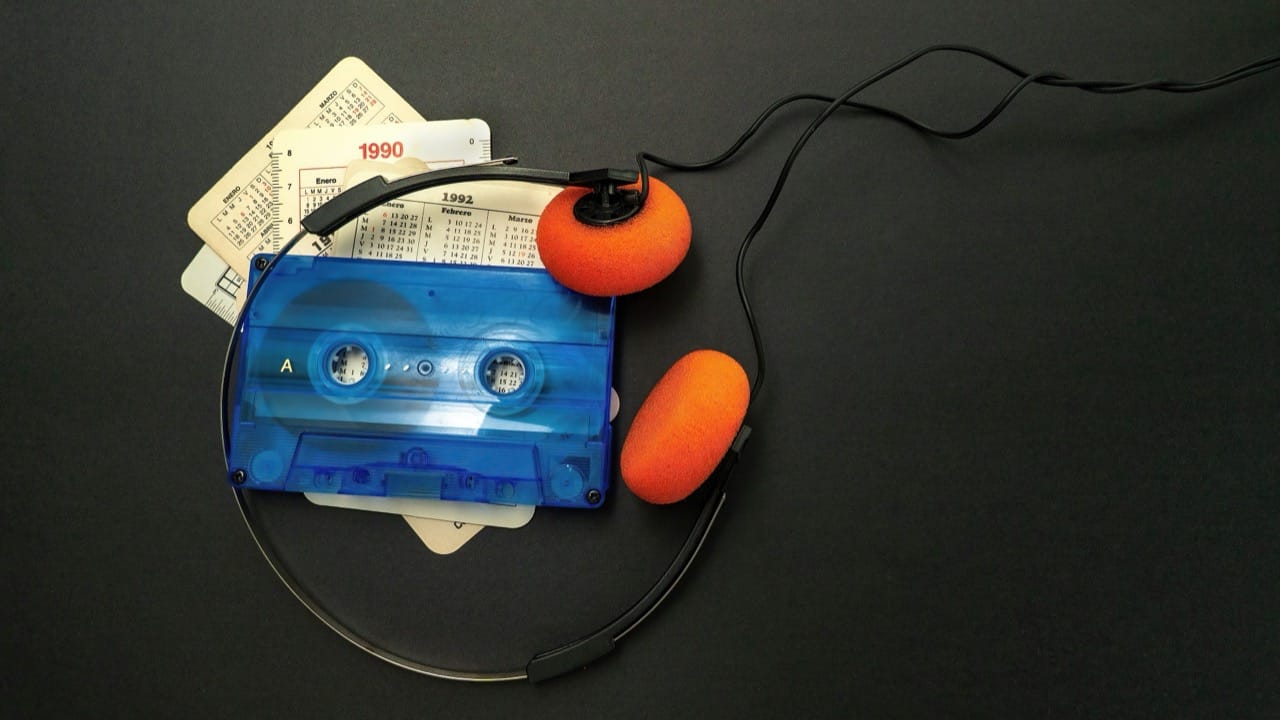
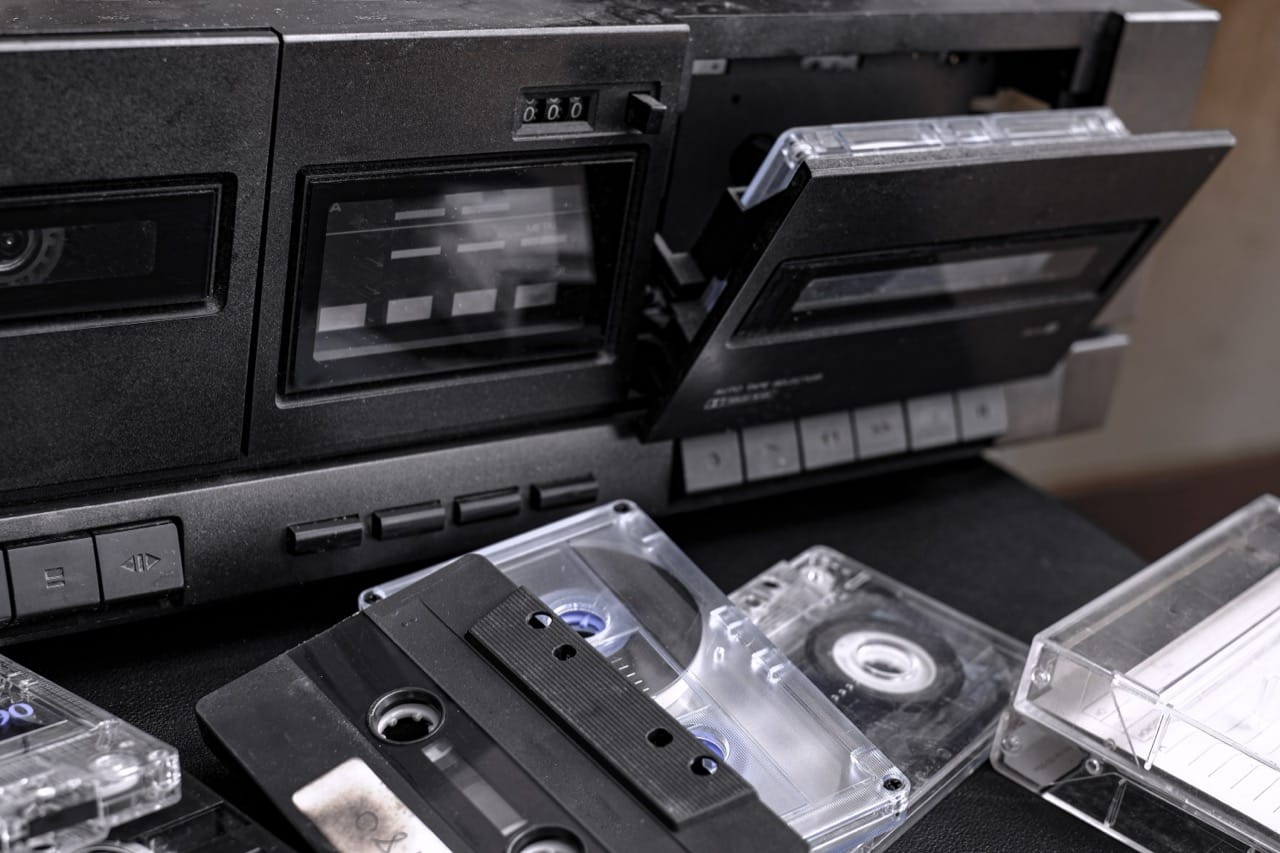
One of the most recognizable daily rituals was the gear itself. The Discman became a badge of identity, even if it skipped the moment you hit a crack in the sidewalk. Cassettes still mattered too, especially for dubbing albums, making mix tapes, and passing around demos. By the late 90s, CD wallets and scratched jewel cases told their own stories, while the simple act of browsing a record store rack became a kind of education. You learned labels by sight, recognized familiar logos, and started to understand that different scenes had different homes. Roadrunner helped push groove and later nu metal into wider view, while Nuclear Blast, Earache, and Peaceville became names you associated with particular flavors of heaviness.
The sound of the decade was diverse, and the differences showed up in everyday conversation. Groove metal brought a tighter, heavier bounce that felt built for head nods and stomping riffs, with bands like Pantera and Sepultura reshaping what “heavy” meant for a mainstream audience. At the same time, Swedish death metal developed a buzzing guitar tone that became instantly identifiable, while Norwegian black metal built an aura of cold intensity that traveled far beyond Scandinavia through tape trading, zines, and word of mouth. Even if you never owned the rare recordings, you knew the signatures: the production choices, the vocal styles, the imagery, and the strong opinions people held about what counted as authentic.
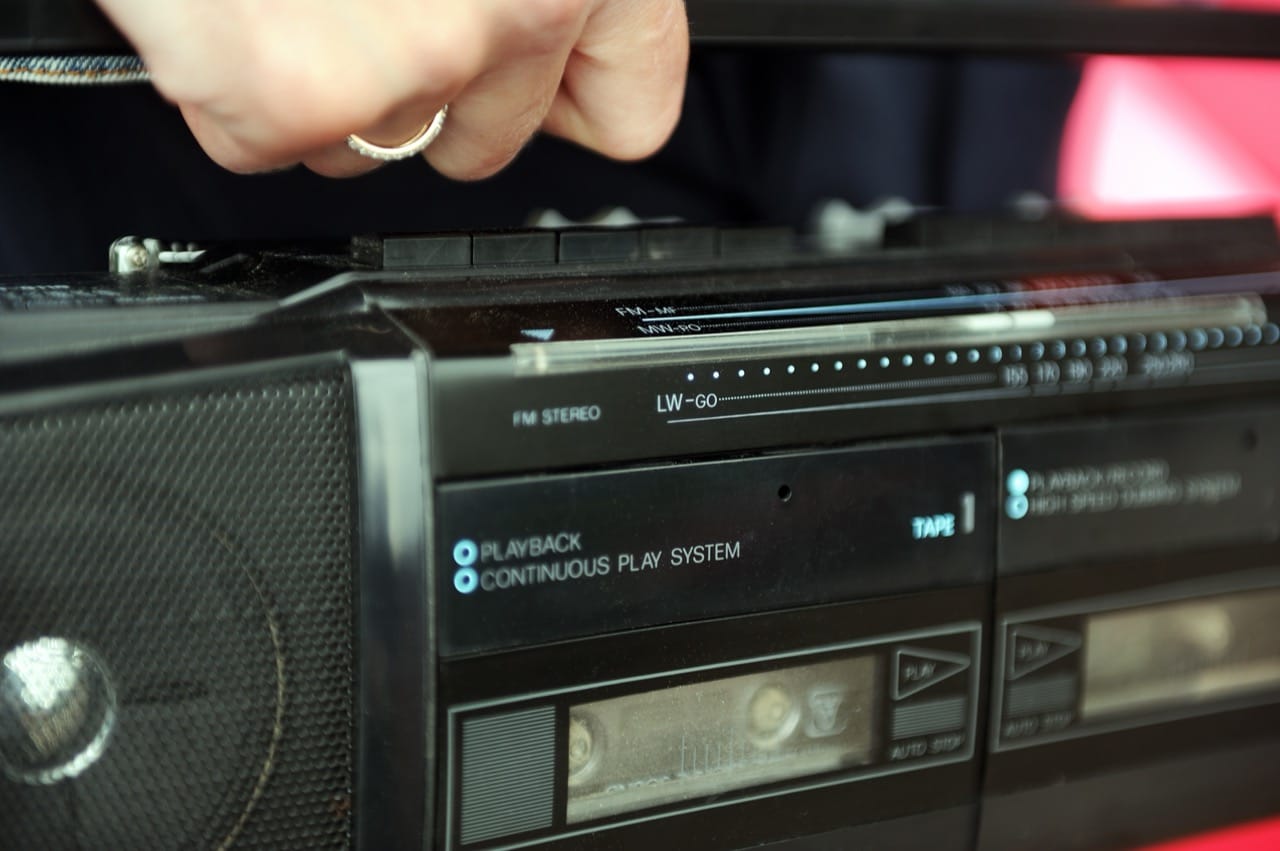
MTV and radio added another layer. Headbangers Ball had already planted seeds, but the 90s made metal visibility unpredictable in a way that felt exciting. A single video could put a band into school hallway conversations overnight. Late night radio shows and specialty programs became a lifeline, especially in places where the local store stocked only the biggest releases. You waited with a finger on the record button, hoping to capture a track cleanly, then replayed it until you could memorize every change.
The decade also turned metal into a shared social language. Band shirts were more than merch; they were introductions, challenges, and invitations. A worn tee could signal your allegiance to thrash roots, your fascination with extreme subgenres, or your embrace of the new wave of heavy bands mixing hip hop rhythms, down tuned guitars, and confessional lyrics. Skate videos, video game soundtracks, and action movie tie ins quietly broadened the audience, letting riffs and breakdowns seep into spaces that didn’t call themselves metal at all.
By the end of the 90s, the early internet accelerated everything. Message boards and fan sites made it possible to debate albums track by track, swap recommendations with strangers, and learn about scenes on the other side of the world. Without streaming, discovery still required effort, which made each find feel earned. That sense of pursuit is part of what people remember most: the everyday moments when metal wasn’t just music, it was a habit, a map, and a way to recognize your people.