Flannel, Feedback, and 90s Grunge Facts Rapid Fire

Quiz Complete!
Flannel, Feedback, and the 90s Grunge Boom: How a Scene Became a Cultural Reset
Grunge is often described as a sound, but its real power came from how it collided with mainstream culture in the early 1990s. Born from a mix of punk’s urgency, metal’s weight, and indie rock’s DIY spirit, grunge emerged most visibly from the Pacific Northwest, especially Seattle. Yet the idea of grunge was never just one city or one style. It was a mood and a set of attitudes: skepticism toward rock-star polish, lyrics that favored honesty over bravado, and a look that seemed to reject the idea that musicians needed costumes to be credible.
The Seattle scene grew in a tight network of clubs, rehearsal spaces, and small labels. Independent labels mattered because they offered artists a way to release music without waiting for major-label approval. Sub Pop, in particular, helped build a recognizable identity by packaging the scene with striking artwork, compilation releases, and a sense of local mythmaking. That branding sometimes created the impression of a unified movement, even though bands often sounded quite different from one another. Still, the shared ingredients were hard to miss: thick guitar tones, dynamic shifts between quiet and loud, and vocals that could sound exhausted one moment and explosive the next.
When grunge broke into the mainstream, it changed what popular rock could be. Radio playlists that had leaned toward glossy hard rock and pop-friendly production began to make room for rougher textures and darker themes. MTV amplified this shift by putting alternative bands in heavy rotation and by turning live moments into cultural events. The rise of Unplugged performances, for example, highlighted that these songs could hold up without distortion and volume, and it gave audiences a different kind of intimacy than the era’s big arena spectacles.
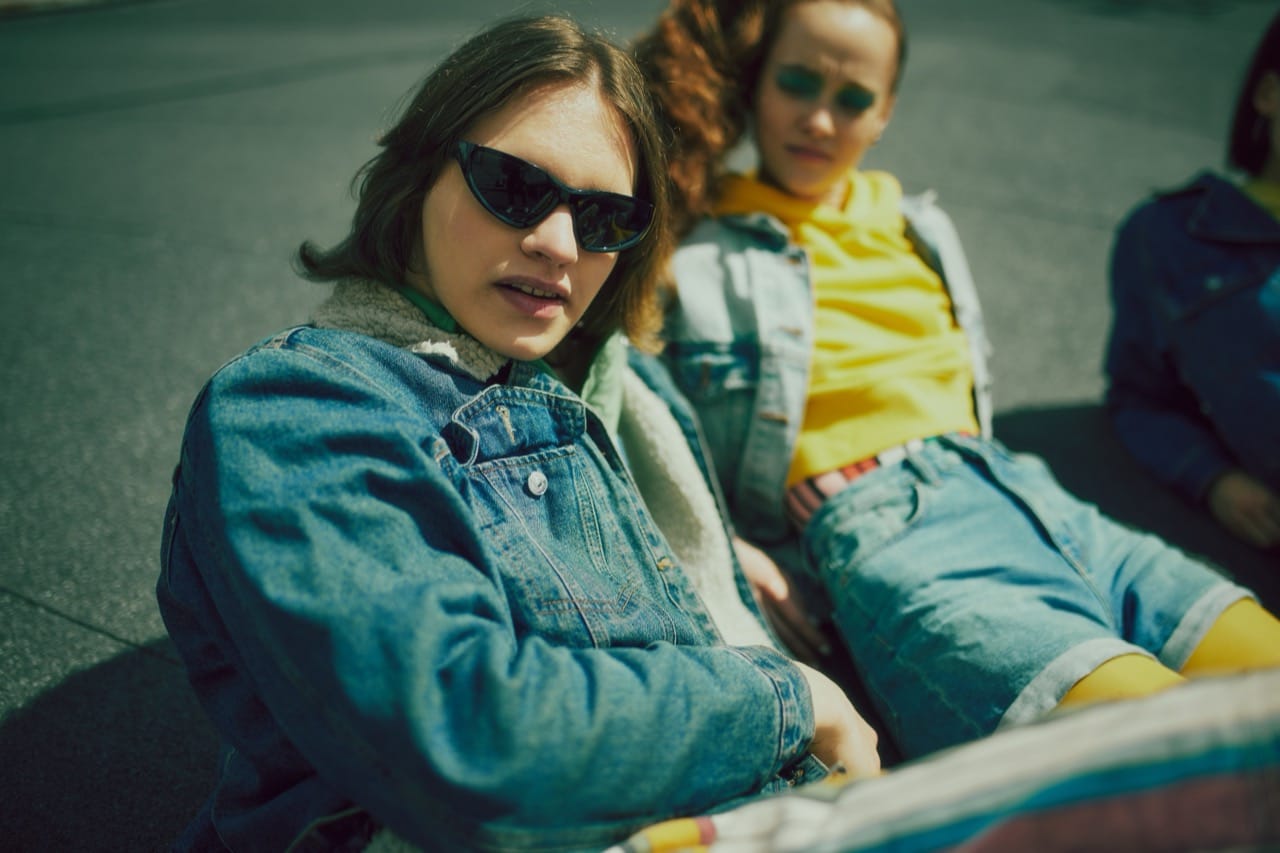
Grunge also reshaped fashion in a way that was both accidental and quickly commercialized. Thrift-store layers, flannel shirts, worn denim, beanies, and heavy boots were practical choices in a rainy climate and a natural extension of punk’s anti-glamour. Once the look hit magazines and music television, retailers turned it into a trend, selling pre-ripped jeans and carefully styled “messy” hair as a product. That tension became part of grunge’s story: a culture that valued authenticity being repackaged for mass consumption.
The era also brought new conversations about fame and mental health. Grunge lyrics often centered on alienation, uncertainty, and self-critique rather than victory laps. As bands became global stars, the pressure to represent a “generation” could feel suffocating. The public learned, sometimes painfully, that success did not erase personal struggles. This helped shift how audiences thought about artists, away from invincible icons and toward complicated people.
Benefit concerts and activism were another thread that connected the scene to a broader world. Musicians participated in events supporting social causes, and the alternative community often aligned itself with issues like LGBTQ rights, anti-violence efforts, and political engagement. These weren’t always perfectly unified movements, but they reinforced the idea that rock could be more than entertainment.
By the mid-to-late 1990s, “alternative” had become a marketing category, and grunge’s initial shock wore off as the industry absorbed its lessons. Yet the impact remained. It opened doors for less polished voices, proved that underground ethics could reach the top of the charts, and left behind a template for rock that values emotional directness over flash. If you remember the first time the radio sounded suddenly heavier and more human, you already understand why grunge wasn’t just a genre. It was a cultural reset.