Freeways, Fuel, and Odd 90s Car Connections








Quiz Complete!
Freeways, Fuel, and Odd 90s Car Connections
The 1990s were a hinge moment for transportation: the decade looked familiar enough to feel modern, yet many everyday features were still being invented, standardized, or quietly pushed into the mainstream by rules, disasters, and pop culture. If you drove then, you likely remember the look and feel of cars changing fast, not just because designers wanted smoother shapes, but because emissions and fuel economy targets rewarded better aerodynamics and smarter engine control. Electronic fuel injection replaced carburetors across the board, and onboard diagnostics evolved into the OBD II standard in the United States in 1996. That one regulatory change created an unexpected ripple effect: it made it easier to detect and repair emissions problems, enabled more consistent inspection programs, and later helped the aftermarket and hobbyists read data from cars with cheap scan tools.
Safety technology also leapt forward, sometimes for reasons that had nothing to do with driving excitement. Airbags spread from luxury options to expected equipment, and the decade saw major progress in crash testing and consumer information. In the U.S., the New Car Assessment Program’s star ratings became a shopping tool, and globally, independent testing groups gained influence by publicly comparing real-world crash performance. That pressure changed how cars were engineered, from stronger passenger cells to better seatbelt pretensioners. Yet the 90s also revealed that safety tech has tradeoffs: early airbags could injure smaller occupants, which led to “depowered” airbags and smarter sensors by the end of the decade.
Navigation is one of the best examples of a 90s idea that felt futuristic but arrived in pieces. GPS existed, but it was expensive, slow, and sometimes restricted in accuracy for civilian users. Automakers experimented with early in-dash systems and CD-ROM map databases, while many drivers relied on printed road atlases and radio traffic reports. When accuracy improved around the turn of the millennium, the groundwork had already been laid: better digital maps, more standardized vehicle electronics, and a public newly comfortable with screens in the cockpit.
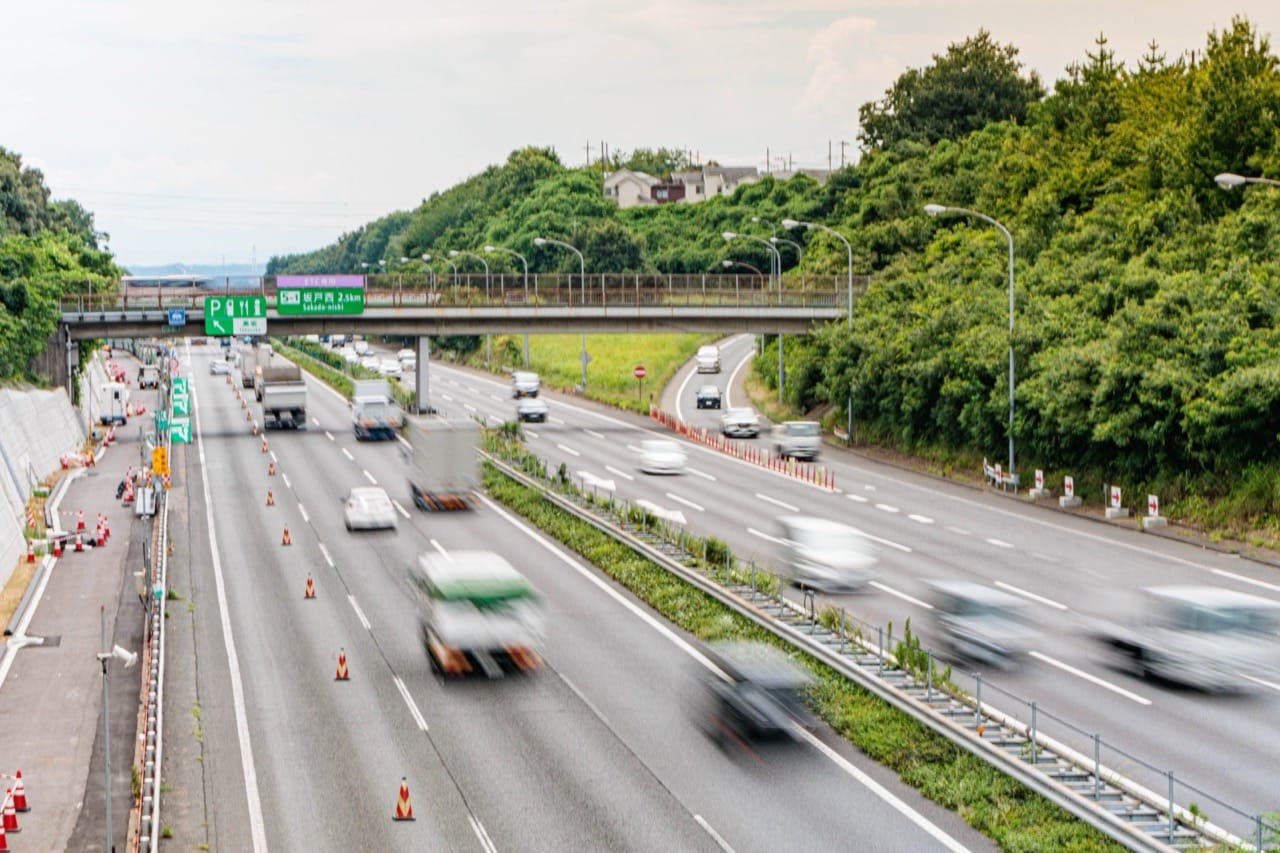
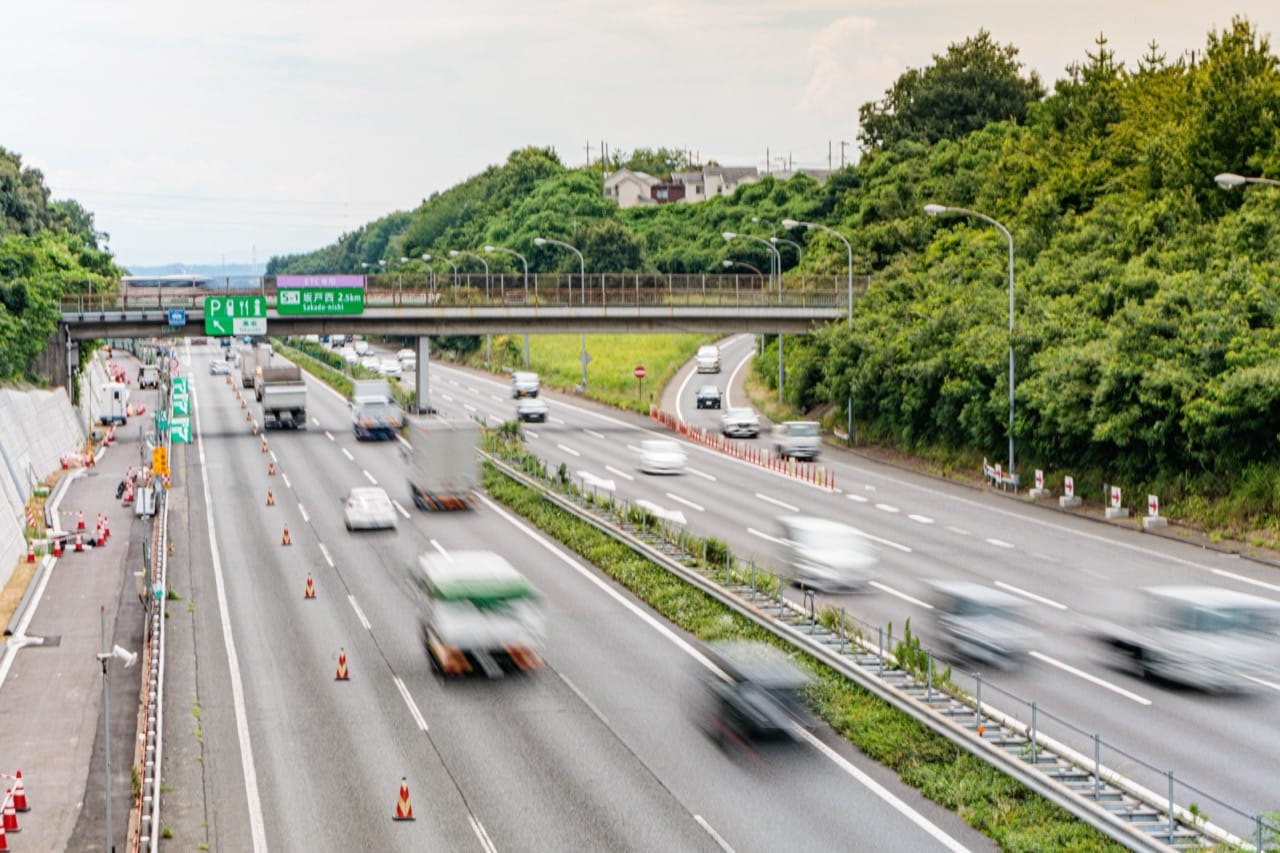
Infrastructure had its own hidden connections. Congestion and airport growth pushed cities to rethink how people moved between terminals and downtowns. Several major airport rail links and people movers expanded or opened in this era, and even when a train line wasn’t glamorous, it could reshape travel patterns by making “car versus transit” a real choice. At the same time, highway projects and interchange redesigns continued, often influenced by new traffic modeling software and changing ideas about safety, like improved barrier design and clearer signage.
Culture kept sneaking into the driver’s seat. Movies and TV turned certain vehicles into characters, boosting demand in ways engineers never planned. A sports coupe’s cameo could make it iconic, while a boxy SUV’s rugged image helped ignite a shift toward taller vehicles that would dominate the next decade. Music videos, video games, and tuner magazines spread car enthusiasm globally, connecting a teenager in one country to a niche model sold in another. Even environmental awareness became part of the story: cleaner fuels, catalytic converter improvements, and tighter standards pushed manufacturers toward more efficient engines, while hybrids began moving from lab curiosity toward real production.
Looking back, the 1990s feel like a set of overlapping experiments. Regulations nudged technology, technology reshaped design, infrastructure responded to growth, and pop culture amplified certain choices. The surprising part is how many everyday expectations of driving today trace back to that decade’s quiet connections and ripple effects.