Landmarks That Powered 90s Music Culture Reloaded





Quiz Complete!
Mapping the 90s: Places That Turned Music Into Movements
The 1990s are often remembered as a clash of sounds, but the decade also had a strong sense of place. Music fans didn’t just follow bands and labels; they followed addresses, neighborhoods, and venues that became symbols of entire scenes. When people say “Seattle” and think of grunge, or “Manchester” and think of Britpop’s swagger and club culture, they’re really talking about how specific rooms, studios, and city blocks helped shape what ended up on radio playlists and CD racks.
In Seattle, the mythology is partly about weather and attitude, but it’s also about infrastructure. Small clubs gave loud bands a proving ground, and local recording spaces helped turn raw energy into records that could travel. The Crocodile became one of the best-known rooms for the era’s alternative explosion, a place where up-and-coming acts could feel like hometown heroes and visiting bands could plug into the city’s particular intensity. Nearby, the business side mattered too: Sub Pop’s presence helped package a local sound into something the rest of the world could recognize, proving that a regional scene could become global with the right mix of branding, distribution, and timing.
Across the Atlantic, Manchester carried its late-80s momentum into the 90s and stayed a reference point for how nightlife could drive a music economy. The Haçienda is the headline landmark, famous for making club culture feel like a movement rather than a weekend hobby. Even as its story ended mid-decade, its influence lingered in the way British acts and audiences understood the relationship between DJs, bands, fashion, and identity. London, meanwhile, became a key hub for Britpop and pop alike, with venues and studios feeding a constant churn of press, radio sessions, and industry attention.
Studios mattered as much as stages. In New York, places like the Hit Factory and other major rooms captured the polished end of 90s pop and R and B, while the city’s wider hip-hop ecosystem thrived on a network of smaller studios, radio stations, and neighborhood scenes. The geography of hip-hop was never just one address, but landmarks still emerged: famous corners, borough identities, and iconic venues helped audiences locate the music in real life. Los Angeles offered a different map, where West Coast rap’s sound and imagery were tied to local car culture, street grids, and studio networks that could translate regional slang into national hits.
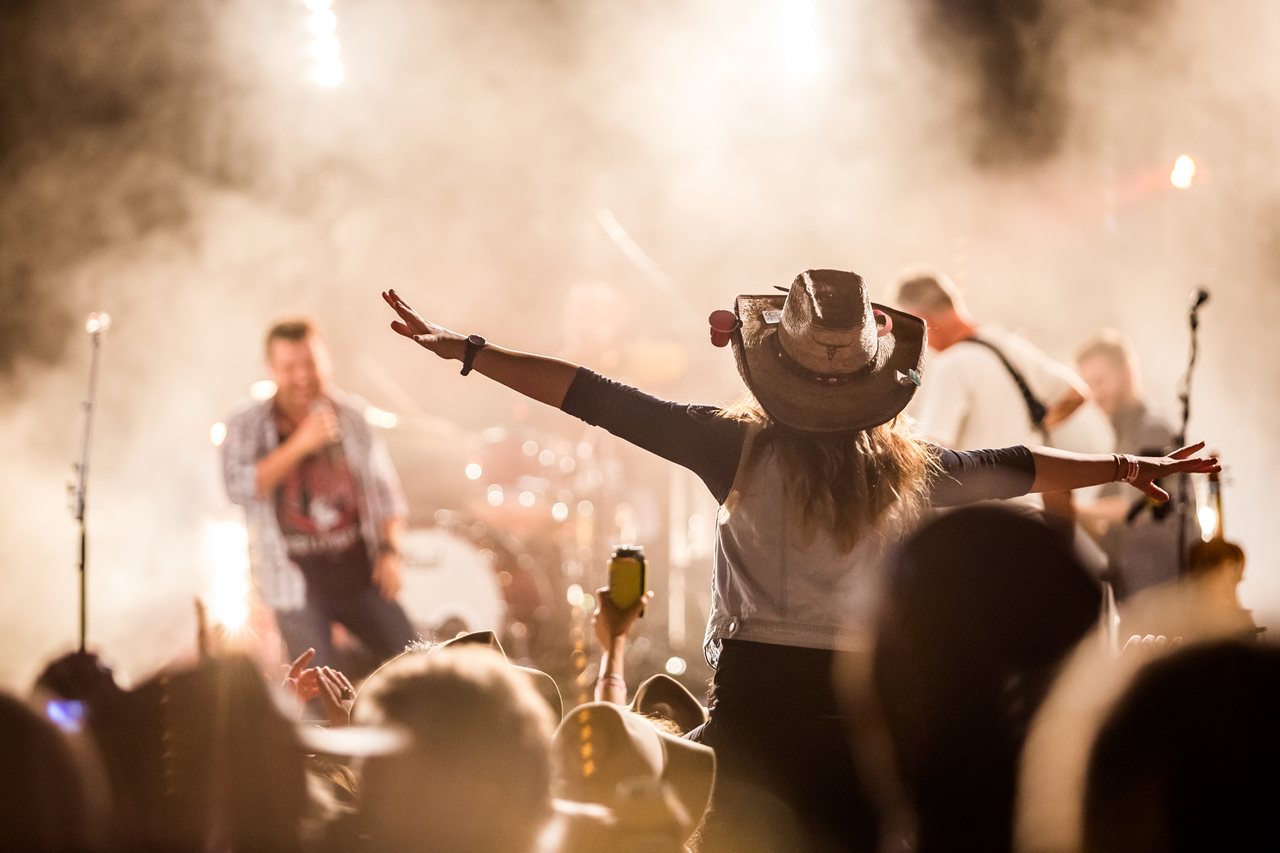
Festivals turned open fields into cultural engines. Glastonbury in the UK became a proving ground where guitar bands, dance acts, and unexpected headliners could be tested in front of huge mixed crowds. In the US, Lollapalooza helped define alternative culture as a traveling community, bringing together rock, hip-hop, and experimental acts in a way that made genre boundaries feel less rigid. These events did more than sell tickets; they created shared memories and helped fans discover artists outside their usual lanes.
Dance music had its own secret geography. While some rave locations were intentionally temporary, certain cities became synonymous with electronic innovation. Clubs in places like London, Berlin, and Ibiza shaped DJ culture and the idea of the remix as a mainstream language. The 90s also made the music-video era feel like a place you could visit, with MTV turning studios, soundstages, and city backdrops into global reference points.
What makes these landmarks so powerful is that they turned music into something you could locate. They offered a physical trail for fans to follow, whether it was a club with a sticky floor, a studio where a classic hook was recorded, or a festival field where a chorus seemed to echo for miles. The 90s soundtrack had coordinates, and learning them is another way of understanding why the decade still feels so vivid.