Maple Mysteries and Northern Nuggets: The Ultimate Canada Challenge
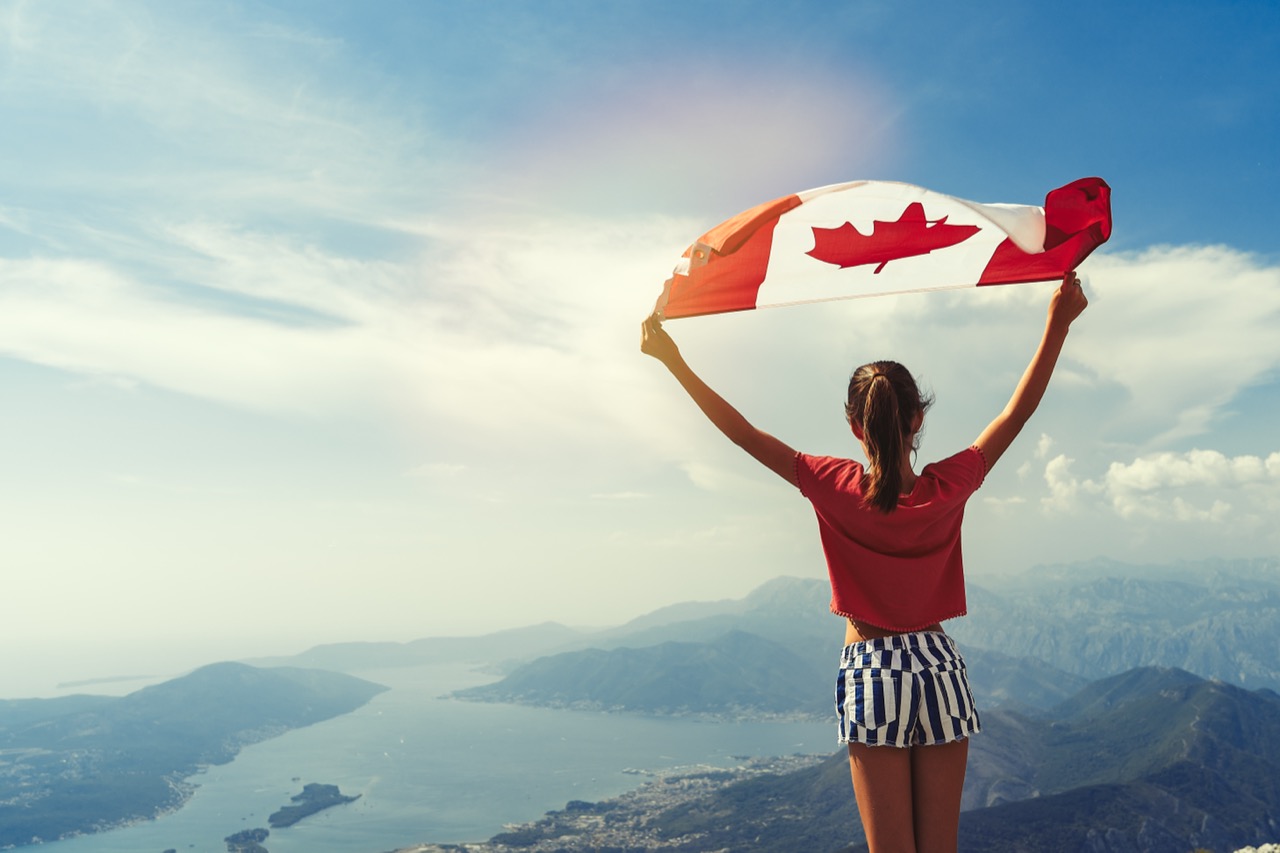
Snowy stereotypes barely scratch the surface of Canada’s wild, witty, and wonderfully weird side. This quiz puts more than maple syrup and moose to the test, mixing famous facts with the kind of details that impress at parties and road trips alike. From city skylines to northern lights, bilingual signs to unexpected national sports, Canada hides plenty of surprises behind its polite reputation. You will bump into record‑breaking landscapes, quirky laws, and history that stretches from ancient Indigenous cultures to modern pop icons. Think you know which city is actually the coldest, or how many time zones the country spans? Curious about the origins of poutine, or which province holds the nickname “Hollywood North”? Sharpen your curiosity, trust your instincts, and see how many northern nuggets you can uncover before your brain shouts “O Canada” in victory.
1
Which animal is featured on the Canadian nickel (5-cent coin)?
2
Which of these foods is widely associated with Quebec and features fries, cheese curds, and gravy?
3
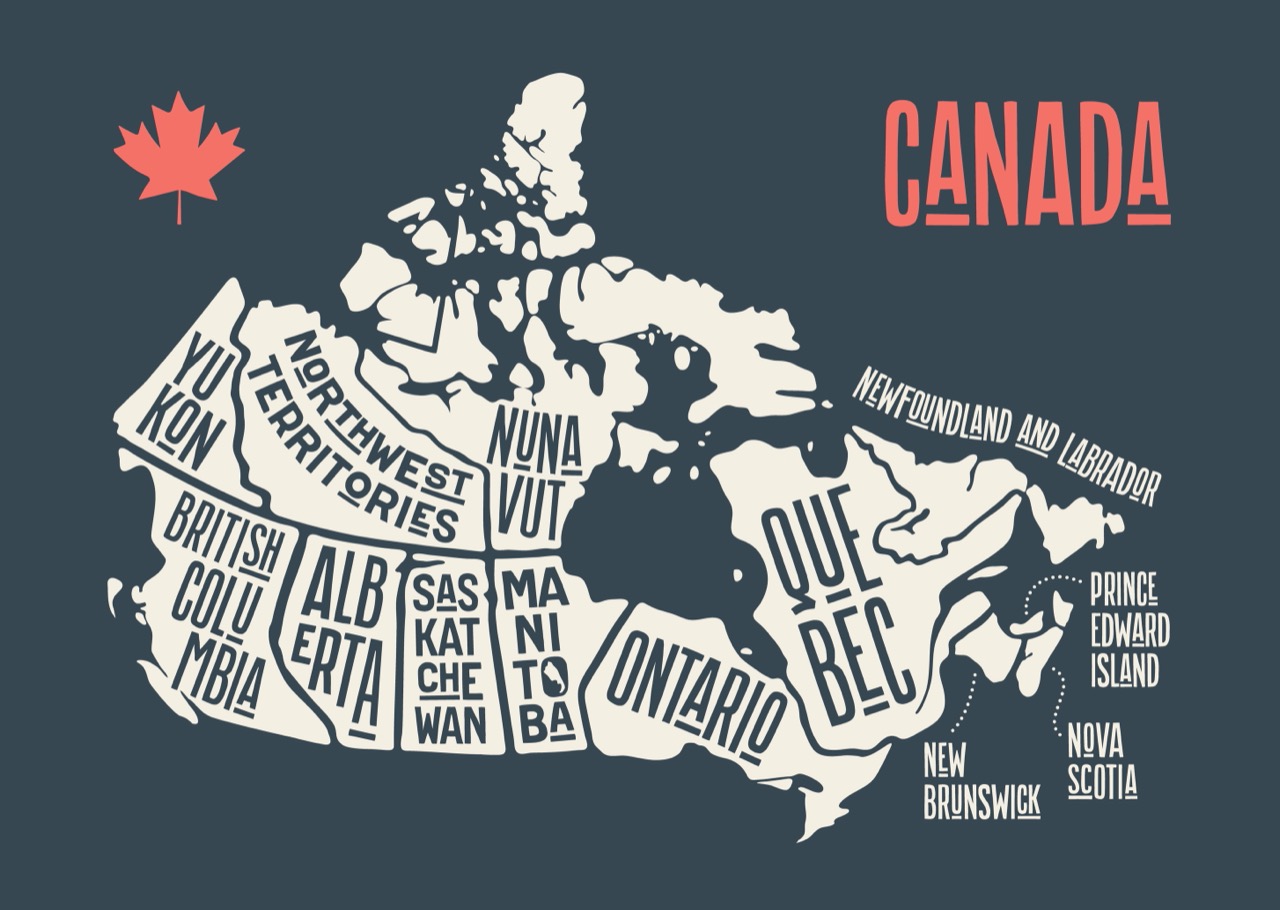
Which Canadian province is officially bilingual at the provincial level?

4
Which Canadian territory is home to Iqaluit, a city located on Baffin Island?
5
How many time zones does Canada span, including the half-hour offset in Newfoundland and Labrador?
6
What is the longest river entirely within Canada?
7
Which Canadian province is home to Gros Morne National Park, a UNESCO World Heritage Site?
8
Which Canadian city’s metropolitan area is nicknamed “Hollywood North” for its massive film industry?
9
Which sport is recognized as Canada’s national winter sport by law?
10
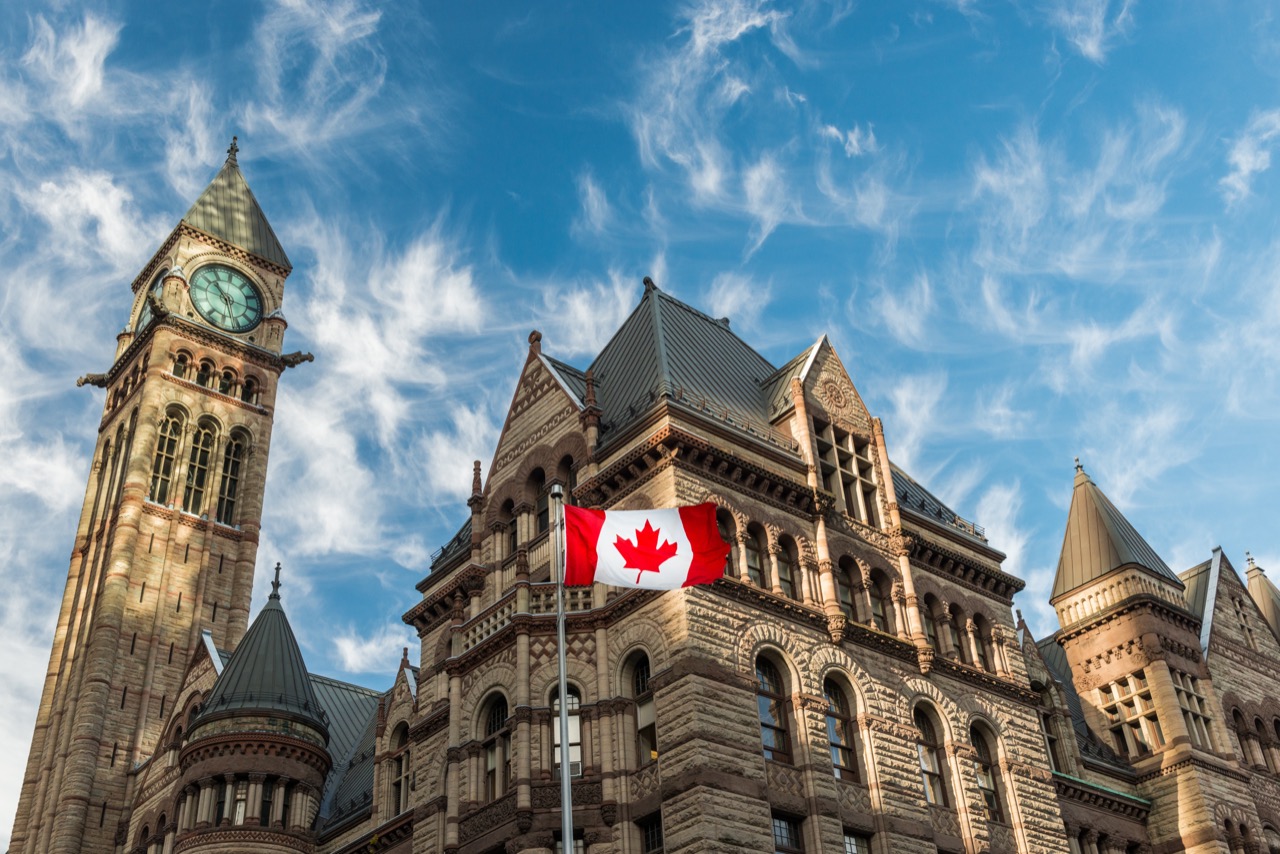
Which city is the capital of Canada?

0
out of 10
Quiz Complete!
Maple Mysteries and Northern Nuggets: Exploring the Real Canada
Canada is often pictured as a land of snow, maple syrup, and very polite people, but that image only hints at what makes the country so fascinating. Stretching from the Pacific Ocean to the Atlantic and up into the Arctic, Canada is the second largest country in the world. That huge size means it covers a remarkable variety of landscapes, climates, and cultures, and it is full of surprising details that go far beyond the usual stereotypes.
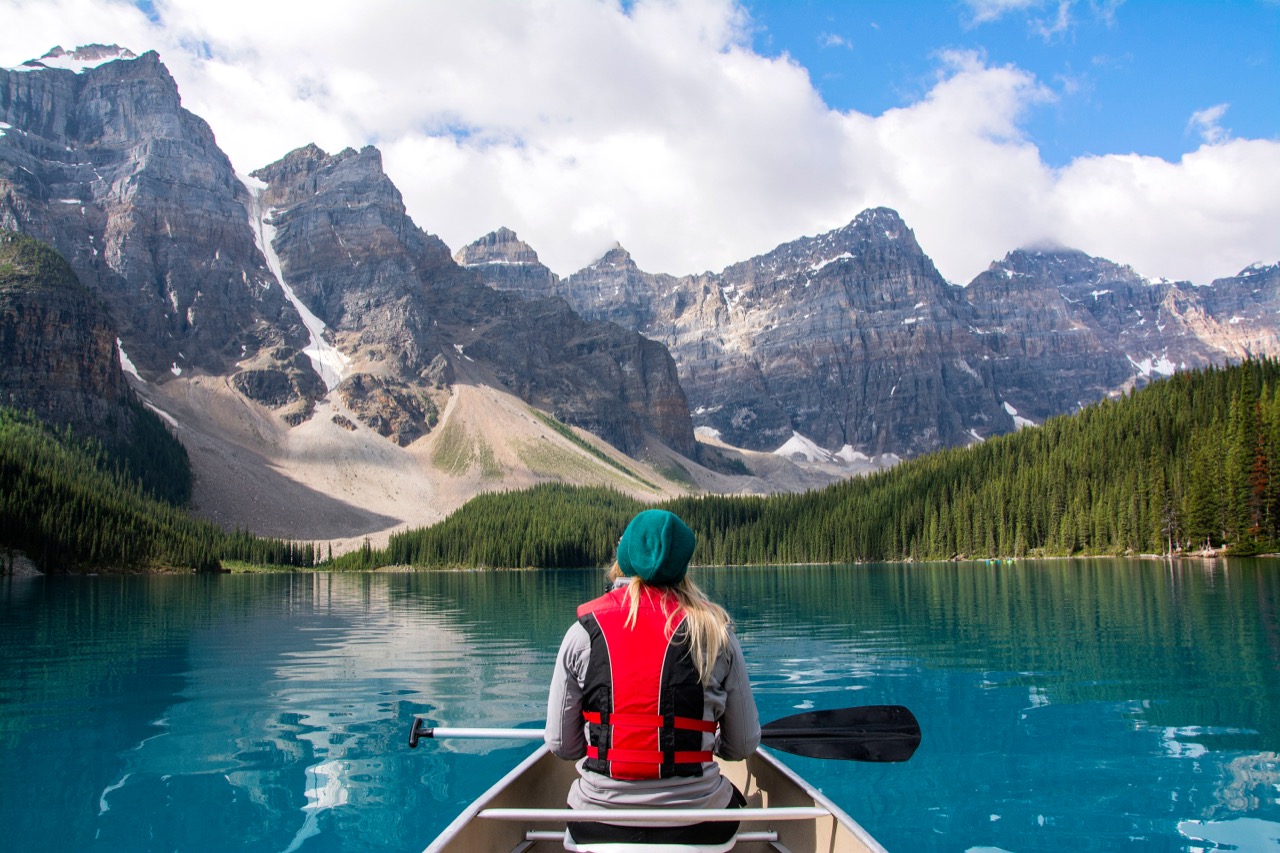
One of the first surprises is just how diverse Canada’s geography is. Yes, there are snowy winters, especially in the northern regions, but there are also sandy beaches, temperate rainforests, and even vineyards. The Rocky Mountains carve a dramatic path through western provinces like British Columbia and Alberta, offering towering peaks and turquoise lakes. In the east, the Atlantic provinces are known for rugged coastlines, fishing villages, and powerful tides. The Canadian Prairies feature wide open skies and fields that seem to go on forever, while the Arctic territories showcase tundra, ice, and some of the best places on Earth to see the northern lights.
Because Canada is so wide from east to west, it spans multiple time zones. Traveling across the country can mean changing your watch several times, especially if you venture from the Atlantic coast all the way to the Yukon or Nunavut. These vast distances also help explain why major cities can feel so different from one another. Toronto is a bustling financial and cultural hub with a famous skyline, while Vancouver mixes mountains, ocean, and film studios that helped earn it and its surroundings the nickname Hollywood North. Montreal and Quebec City highlight the country’s French heritage, featuring cobblestone streets, historic architecture, and strong francophone culture.
Canada is officially bilingual at the federal level, with English and French recognized as official languages. This means you will see bilingual signs on many products and government buildings. However, the country’s linguistic story is much richer. Indigenous languages such as Inuktitut, Cree, and Ojibwe reflect cultures that have existed on this land for thousands of years, long before European contact. Today, Canada also welcomes immigrants from around the world, adding hundreds of languages to the mix and shaping cities into multicultural mosaics.
Food offers another window into Canada’s character. Poutine, a hearty dish of fries topped with cheese curds and gravy, began in Quebec but is now enjoyed across the country, often with creative twists. Maple syrup is indeed a Canadian icon, tapped from maple trees in early spring, but it is far from the only culinary claim to fame. From butter tarts and Nanaimo bars to salmon on the west coast and lobster in the east, regional specialties tell local stories with every bite.
Sports and culture bring their own surprises. Many people associate Canada with hockey, and for good reason, but another sport also holds official national status, sharing the spotlight in a way that surprises many visitors. Canadian musicians, filmmakers, and authors have also made a global impact, proving that the country’s influence goes well beyond frozen rinks and winter festivals.
Behind the friendly reputation lies a complex history that includes both achievements and challenges. Indigenous communities have deep connections to the land and continue to shape the country’s present and future. Modern Canada is engaged in ongoing conversations about reconciliation, identity, and how to balance natural resource development with environmental protection.
In the end, Canada is a country of contrasts and hidden details. It can be cold, but also warm and vibrant. It can feel familiar in some ways, yet completely unexpected in others. Whether you are curious about quirky laws, record breaking landscapes, or the stories behind its cities and traditions, exploring Canada’s northern nuggets reveals a place that is far more than snow and stereotypes.