Mixtape Memories 90s Pop Culture Quiz









Quiz Complete!
Mixtape Memories: Why 90s Pop Culture Still Hits So Hard

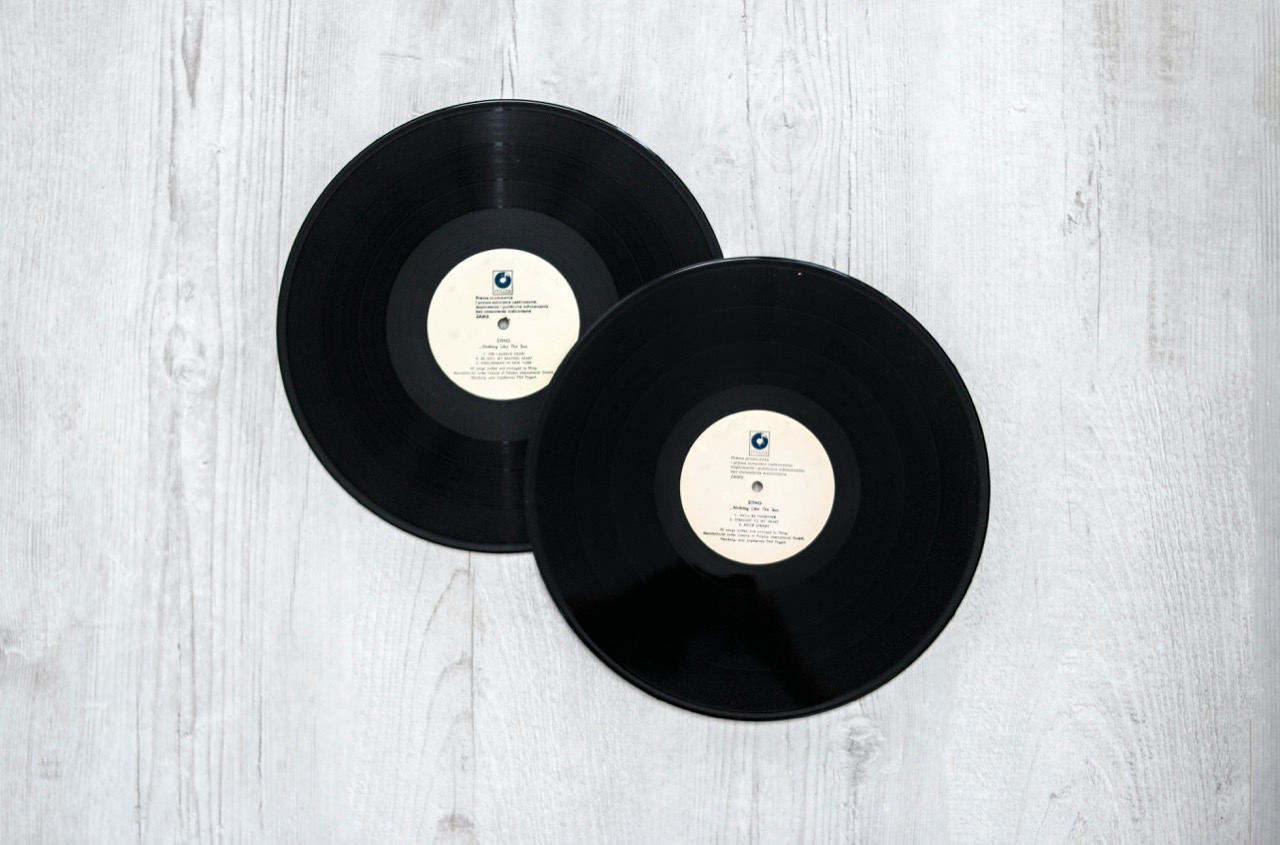
If pop music in the 90s felt like it was everywhere at once, it was. The decade sat at a crossroads where radio still ruled the commute, MTV still turned videos into events, and physical media made songs feel like objects you could collect, trade, and wear out. A single could be something you waited all week to hear on a countdown show, then taped off the radio with a perfectly timed pause. That sense of anticipation shaped how people remember 90s pop: not just as songs, but as moments.
Radio countdowns and request lines helped turn tracks into shared milestones. Hearing a song climb toward number one could feel like watching a sports season unfold, and the big reveals made artists household names fast. The Billboard Hot 100 became a kind of scoreboard for culture, and chart breakthroughs mattered because they signaled more than sales. They showed which sounds were crossing over from one audience to another, like R and B vocals moving into mainstream pop or hip hop production influencing the top 40.
MTV added a visual layer that is hard to replicate today. A premiere could launch a look, a dance, or a whole persona overnight, and the rotation of a video could make a chorus impossible to escape. The 90s also loved big, unmistakable hooks: dance floor anthems built for group singalongs, power ballads that swelled like movie climaxes, and bubblegum pop designed to be instantly memorable. Even when genres differed, the goal was often the same: a song you could recognize within seconds.
Teen movies and their soundtracks were another engine of pop memory. A well placed song could define a character, turn a scene into a rite of passage, and then live on as a personal time stamp for anyone who saw it at the right age. Soundtrack albums were not just collections of background music. They were carefully curated playlists that introduced listeners to new artists and helped certain tracks become inseparable from a film’s identity. In some cases, the theme song was as famous as the movie, and the movie helped push the song up the charts.
Then there were the places where you actually found music. Mall CD stores and listening stations made discovery physical. You could stand with oversized headphones, sampling albums one track at a time, judging cover art and liner notes as part of the experience. Owning an album meant committing to the artist’s world, not just a single. That is why landmark albums from the era remain quiz favorites: they were cultural packages, with signature singles, deep cuts fans still argue about, and a distinctive sound that defined a year.
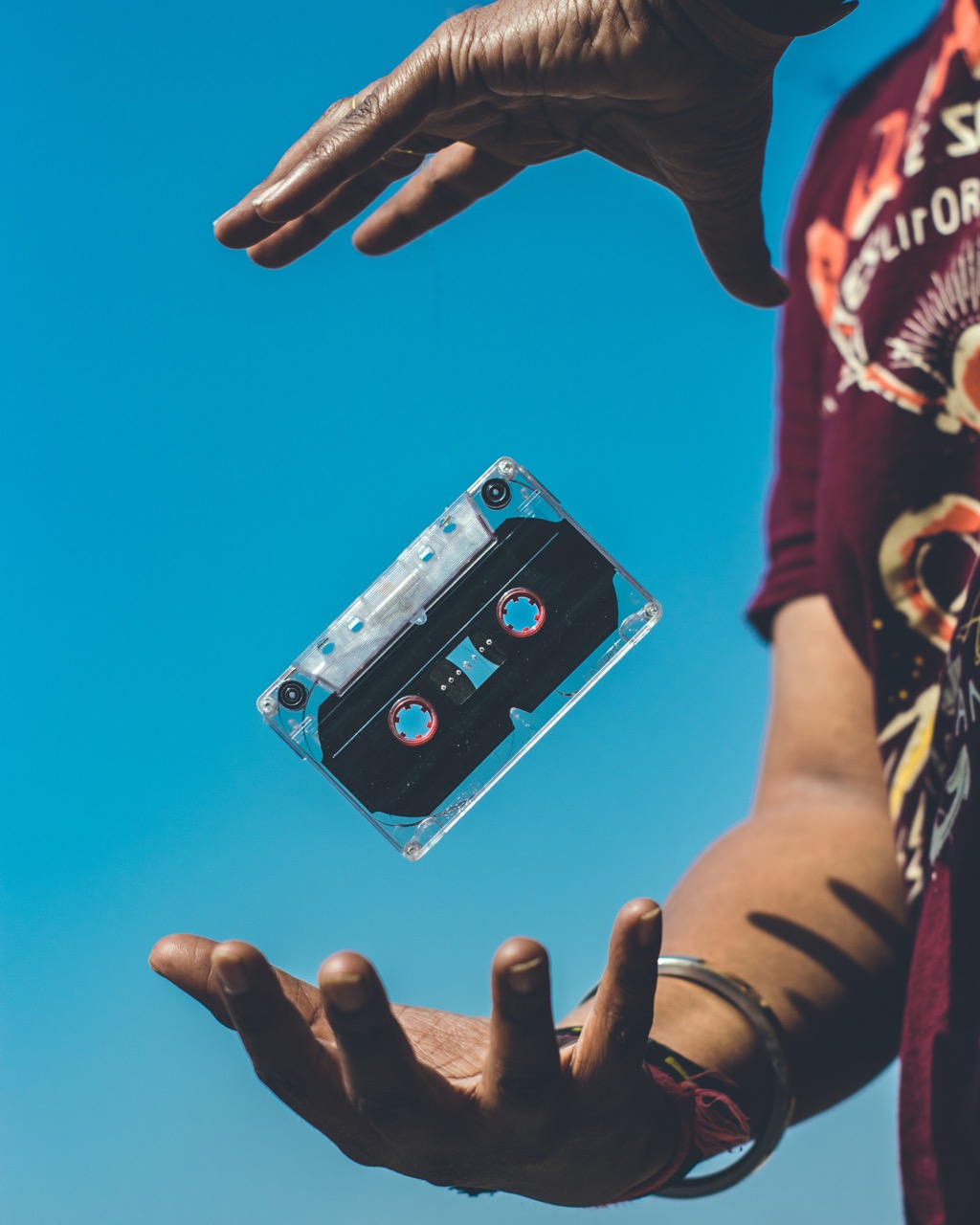
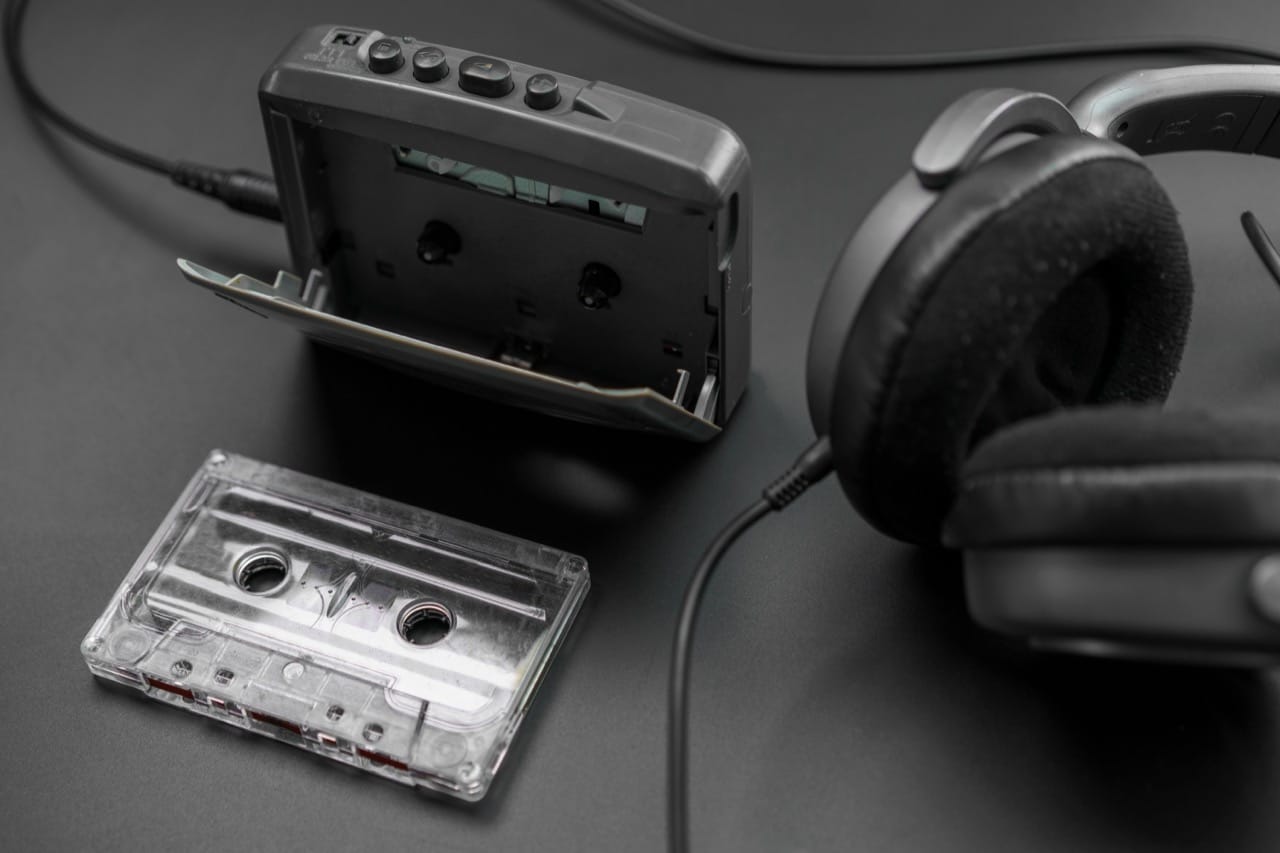
The technology of the decade also shaped behavior in ways that feel charming now. A Discman was freedom, until it skipped. A cassette mixtape was a love letter, because making one took real time and real decisions about sequence and mood. Rewinding a tape with a pencil is the kind of small ritual that sticks in memory because it made listening active, not passive.
A good 90s pop quiz taps into all of this. It is not only about naming a song or matching an artist to a hit. It is about recalling where you heard it, what it was tied to, and why it mattered in the larger swirl of radio, TV, movies, and mall culture. Some answers arrive instantly on the first beat. Others linger like a half remembered chorus until the title finally clicks, and suddenly you are back in that decade for a second.