Mixtapes, Mall Radios, and CD Skips









Quiz Complete!
Mixtapes, Mall Radios, and CD Skips: How the 1990s Listened to Music

In the 1990s, music was not just something you pressed play on. It was something you chased, captured, carried, and sometimes fought with. The decade’s everyday soundtrack came from wherever sound could travel: car stereos with detachable faceplates, boom boxes on bedroom floors, mall speakers piping in pop hits, and MTV turning songs into visual events. Listening was tied to objects, and those objects shaped habits in ways that feel almost ceremonial now.
For many people, the radio was both discovery engine and recording studio. If you wanted a song, you waited for it, finger hovering over the record button on a cassette deck. Timing mattered, and so did luck. DJs talked over intros, stations cut songs short, and a sibling might barge in mid-chorus. Yet a clean radio recording felt like a trophy. Some listeners learned which stations premiered new tracks first, or which late-night shows played deeper cuts. The radio also influenced what became a shared culture, because millions heard the same countdowns and dedications.
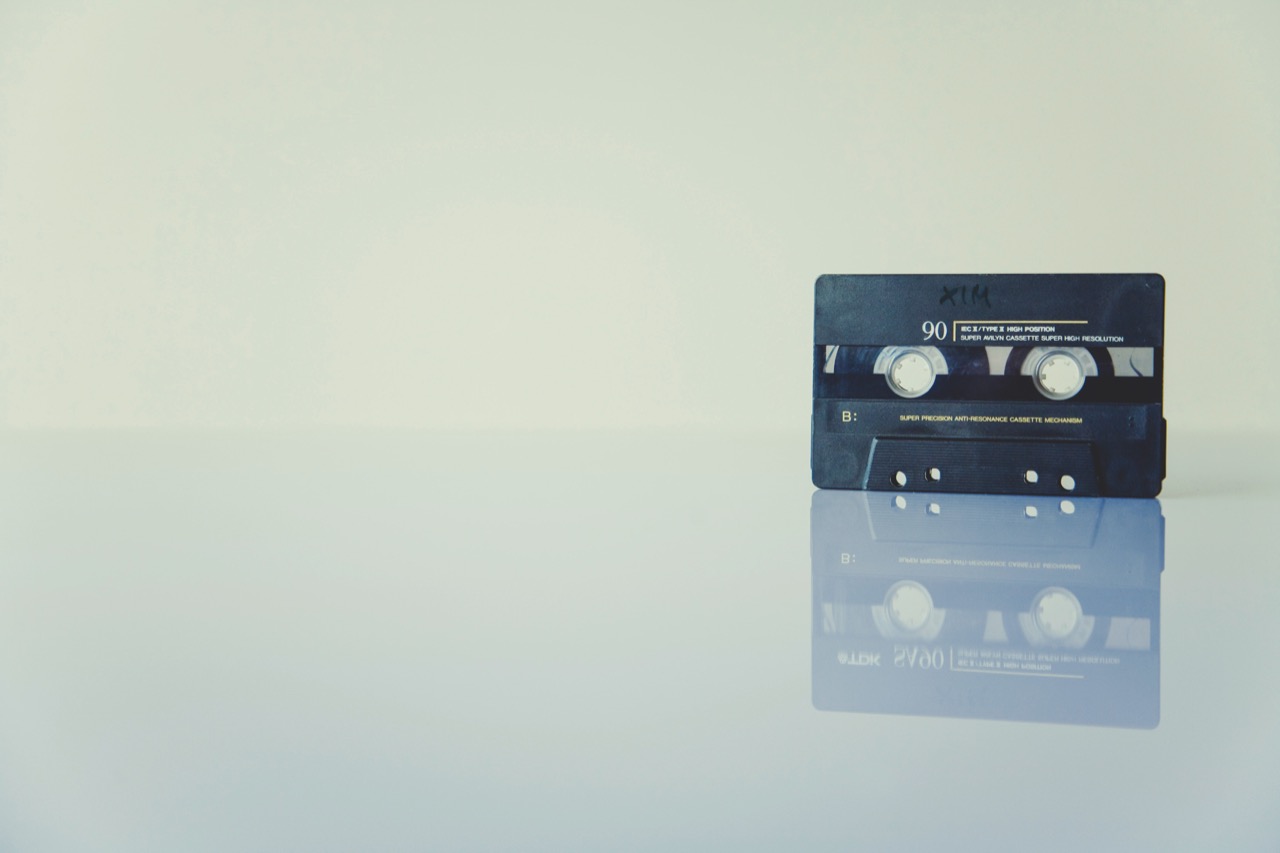
Mixtapes were the decade’s love letters and social currency. Making one took time: selecting songs, balancing moods, writing track lists by hand, and sometimes decorating the cassette insert. The order mattered because you could not shuffle. You committed to a sequence, and the listener experienced it exactly as you intended. Blank tapes were cheap enough to trade, and dubbing from a friend’s collection was common. The sound quality was never perfect, but the point was the gesture, the curation, and the portability.
Cassettes had their quirks. Tapes could get eaten by players, warp in hot cars, or unravel, leading to the classic rescue attempt with a pencil to rewind the spools. Despite that, they were tough enough for backpacks and glove compartments. Then CDs took over, promising cleaner sound and skipping past tracks instantly. By the mid to late 1990s, CDs dominated new releases, and big plastic jewel cases became the new shelf aesthetic. But CDs introduced their own frustrations: scratches, cracked cases, and the heartbreak of a favorite album suddenly freezing or skipping.
Portable listening became a defining 90s experience. The Walkman era bled into the Discman era, and suddenly your music was digital but your commute was still bumpy. Early portable CD players skipped when you jogged, rode the bus, or even walked too confidently. Anti-skip protection improved over time by buffering audio, but it was never magic. Headphones were a public signal too, especially the foam-padded kind that came with players and seemed to break at the worst moment.
Music videos shaped taste in a way streaming thumbnails rarely match. MTV and VH1 could turn an artist into a style template overnight, and school dances often reflected whatever was in heavy rotation. At the same time, malls, arcades, and clothing stores curated their own soundtracks, making shopping feel like being inside a playlist you did not choose. That background music helped certain genres and artists become unavoidable.
By the end of the decade, the ground started shifting again. MP3s made songs portable as files, not objects, and early file-sharing communities changed how people thought about ownership and access. CD burners and compilation discs began replacing some mixtapes, but the impulse stayed the same: collect, share, and personalize. The 1990s were a bridge between analog ritual and digital convenience, and the little inconveniences were part of the charm. The music did not just play. It traveled with you, sometimes literally skipping along the way.