Mixtapes to MP3s 1990s Music Life Quiz
Quiz Complete!
Mixtapes to MP3s: How 1990s Music Was Lived, Shared, and Obsessed Over
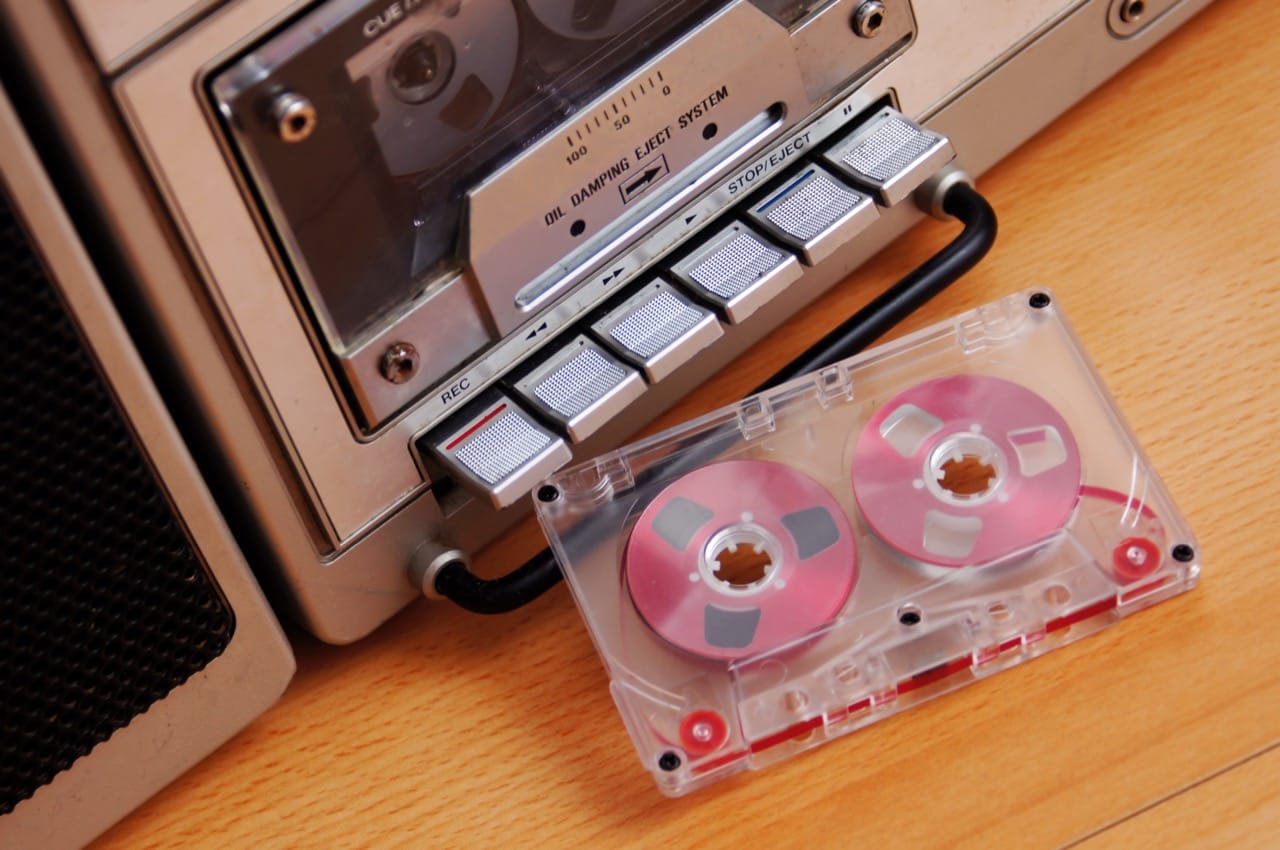
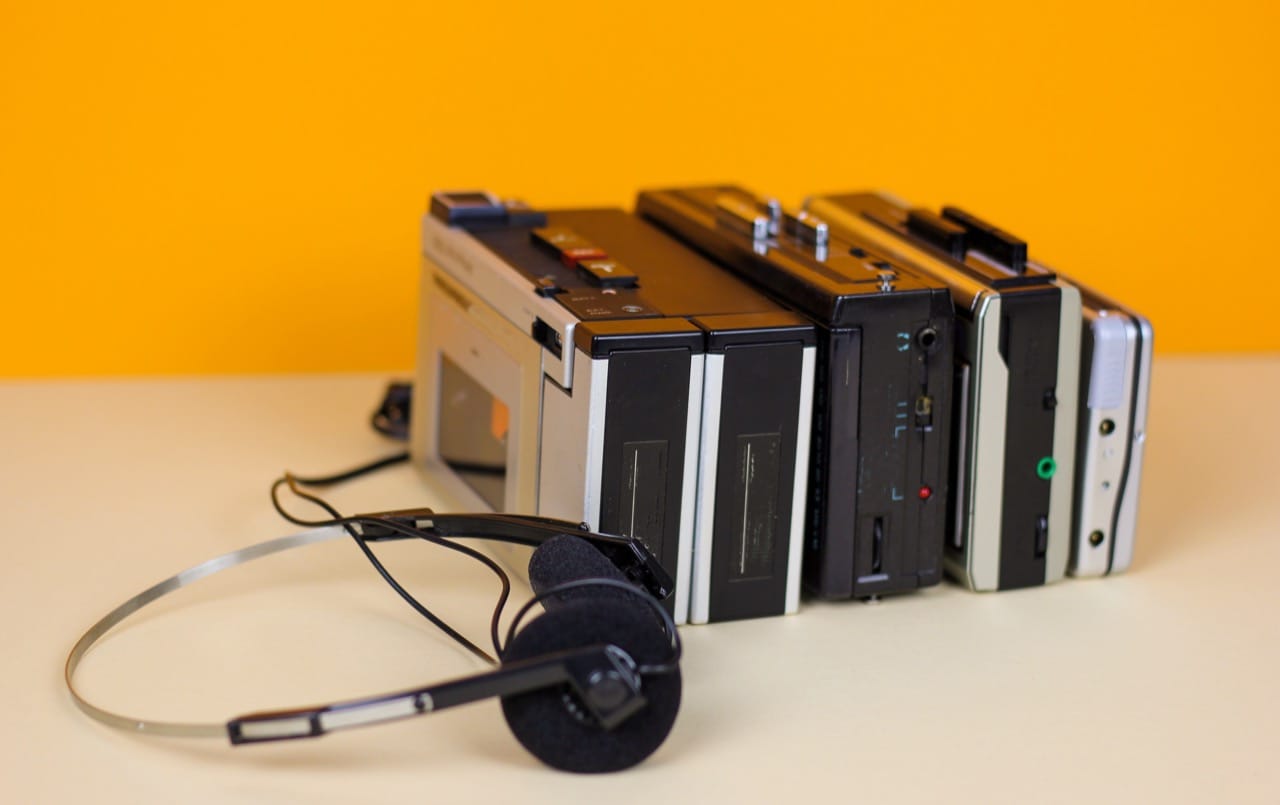
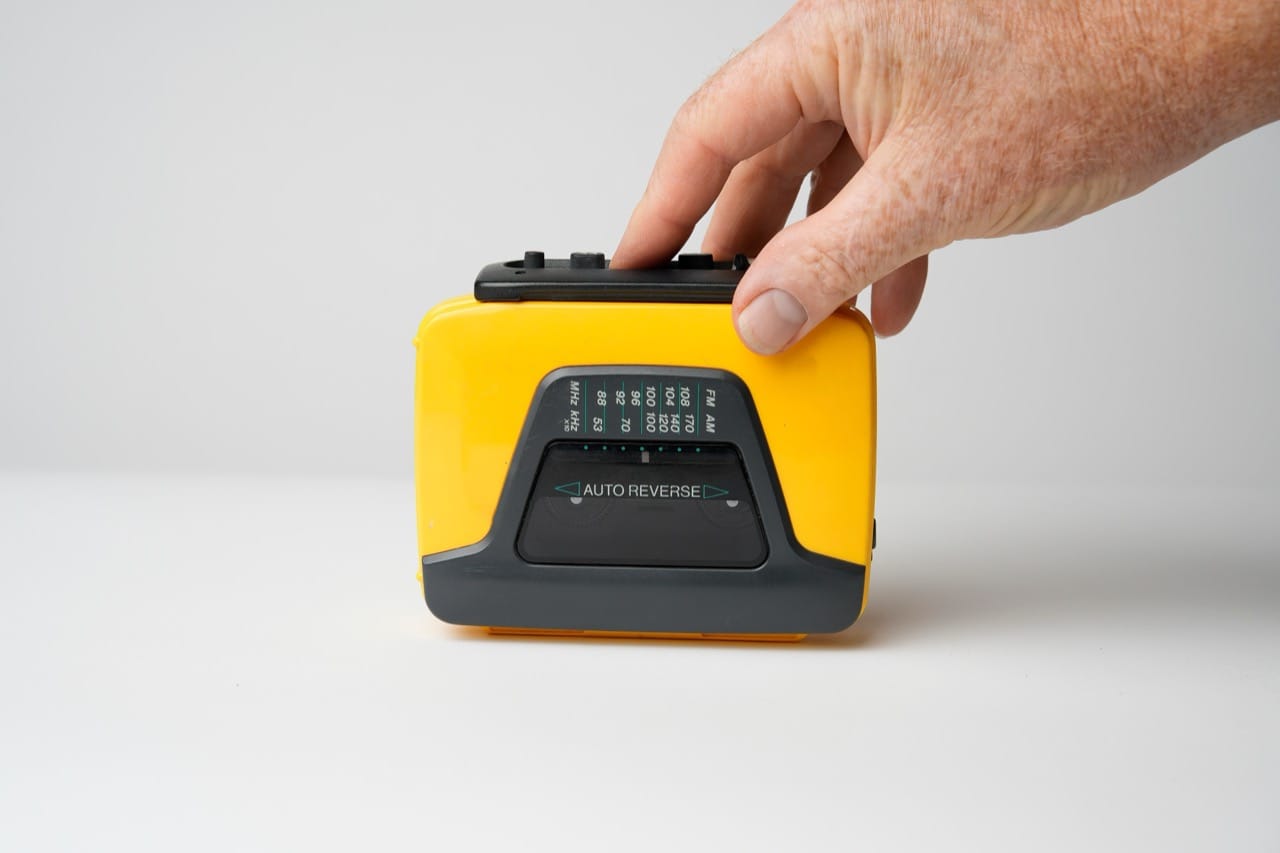
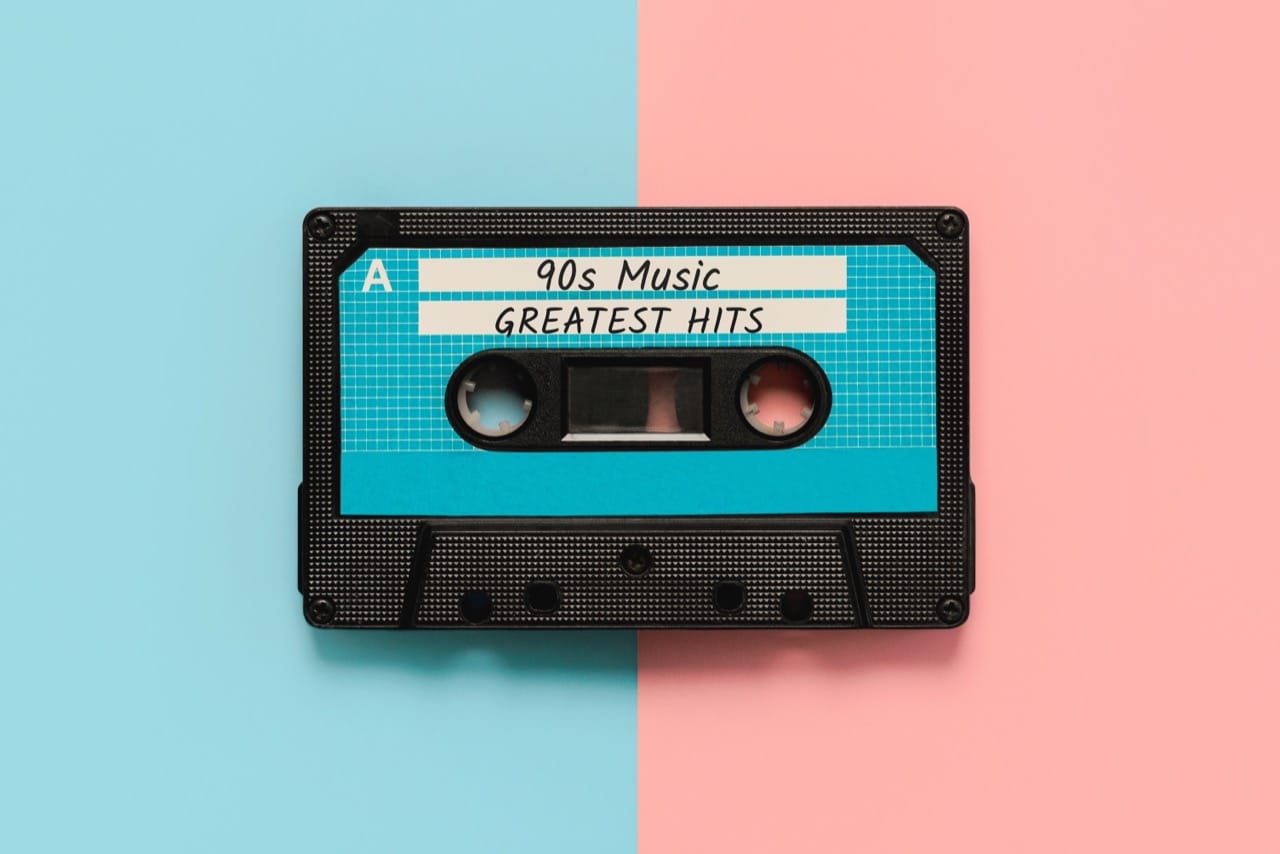
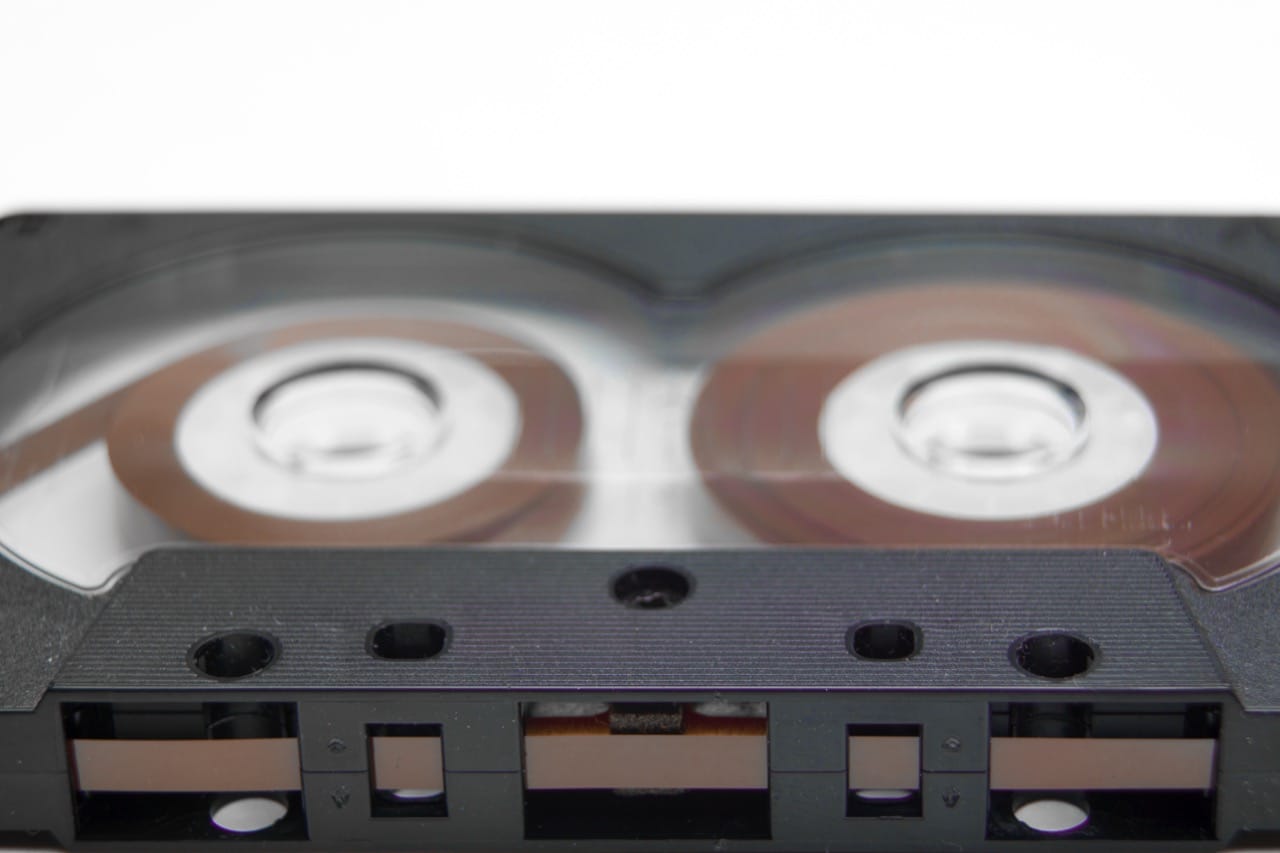
Listening to music in the 1990s was less like opening an app and more like managing a small personal system. You carried your taste around in objects: a cassette case with handwritten labels, a CD binder stuffed with discs, or a stack of singles you guarded like treasure. The effort was part of the bond. If a tape got chewed up, you learned to rescue it. If the cassette ribbon loosened, a pencil could wind it back into place. If your Walkman batteries died mid-chorus, you either waited in silence or dug through a backpack for fresh AAs.
Radio still mattered because it was one of the fastest ways to hear a new song, and it demanded attention. People sat by the stereo ready to hit record when a favorite track came on, hoping the DJ would stop talking in time. Countdown shows and request lines turned listening into a shared event, and local stations could make a track feel like it belonged to your town. MTV did something similar visually. Catching a video premiere or staying up for late-night blocks felt like being present at a moment, especially when a new look or dance move spread overnight.
The decade’s sound was defined by big shifts in what the mainstream accepted. Alternative rock and grunge broke through with a rawer feel and a style that spilled into everyday clothing, while hip-hop expanded from a powerful genre into a dominant cultural force on radio and in fashion. Pop also had a massive run, with boy bands and pop divas turning hooks into global events. The Billboard Hot 100 remained a scoreboard people actually argued about, and chart success often reflected physical sales: buying the CD single, the album, or later in the decade, a legal digital track was still a meaningful act.
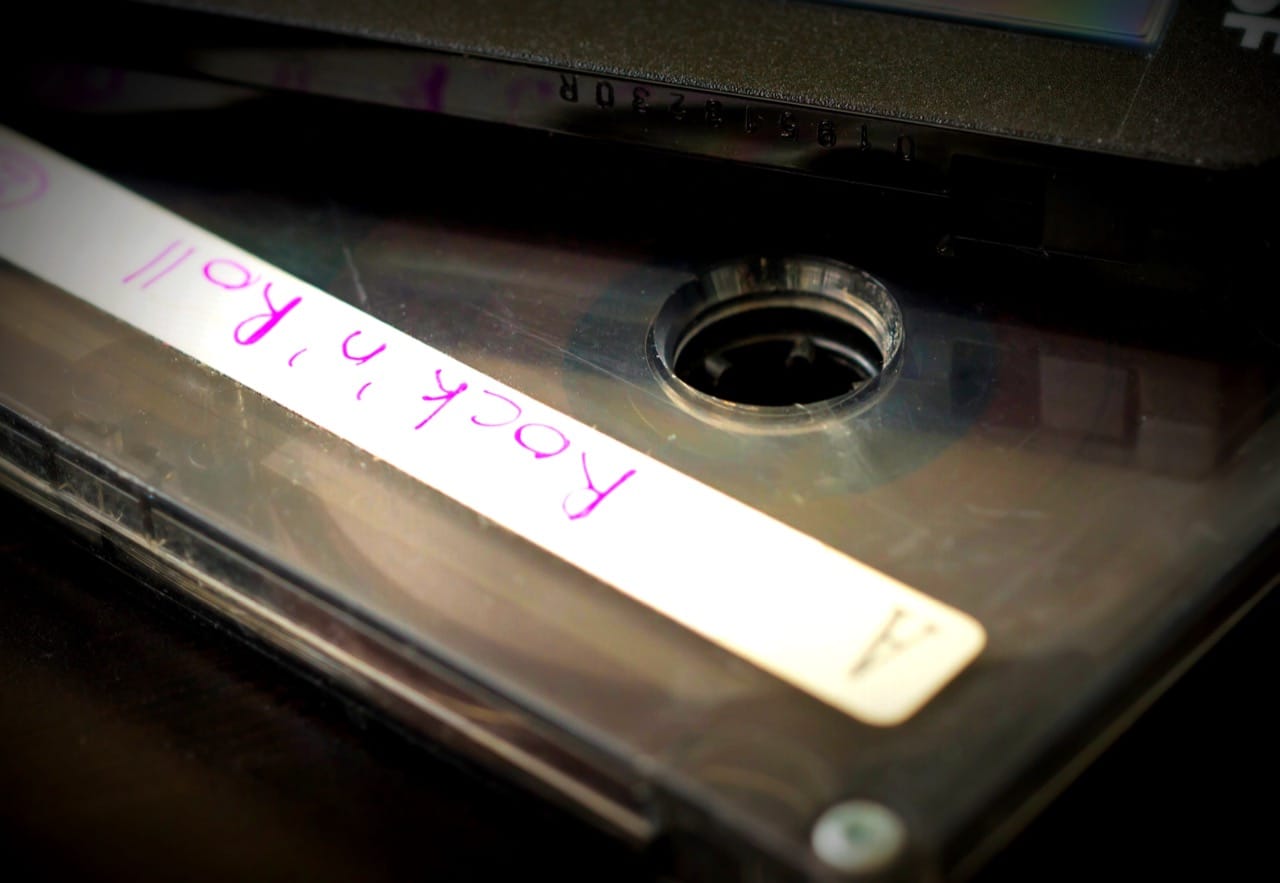
Format choices shaped behavior. Cassette mixtapes were personal letters made of songs, and the constraints mattered. You had to choose track order carefully, watch the tape length, and accept that recording from radio or CD introduced little imperfections. Those imperfections became part of the memory. CDs promised cleaner sound and easy skipping, but they brought new problems: scratched discs, jewel cases that cracked, and the constant question of whether your Discman’s anti-skip protection would actually work as you walked.
By the late 1990s, computers began to change the relationship with music. CD burners and portable MP3 players made it possible to carry hundreds of songs, but the real cultural earthquake was peer-to-peer sharing. Napster, launched in 1999, popularized the idea that music could move as files rather than objects, and it did it at a scale that shocked the industry. Suddenly, a song could be discovered through a friend’s shared folder instead of a radio station, a record store clerk, or a music video channel. That new convenience also raised questions about ownership and artist payment that are still argued about today.
What made 1990s listening feel personal was the mix of friction and discovery. You worked for your favorites, you waited for them, you traded them, and you built identity around them in a way that was visible on a car seat full of CDs or a carefully labeled tape. The decade sits right on the hinge between analog ritual and digital abundance, which is why so many people remember not just the songs, but exactly how they got them.