Mosh Pit Memories 90s Metal Facts Quiz Rapid Fire


Quiz Complete!
Mosh Pit Memories: Why 90s Metal Still Feels Personal
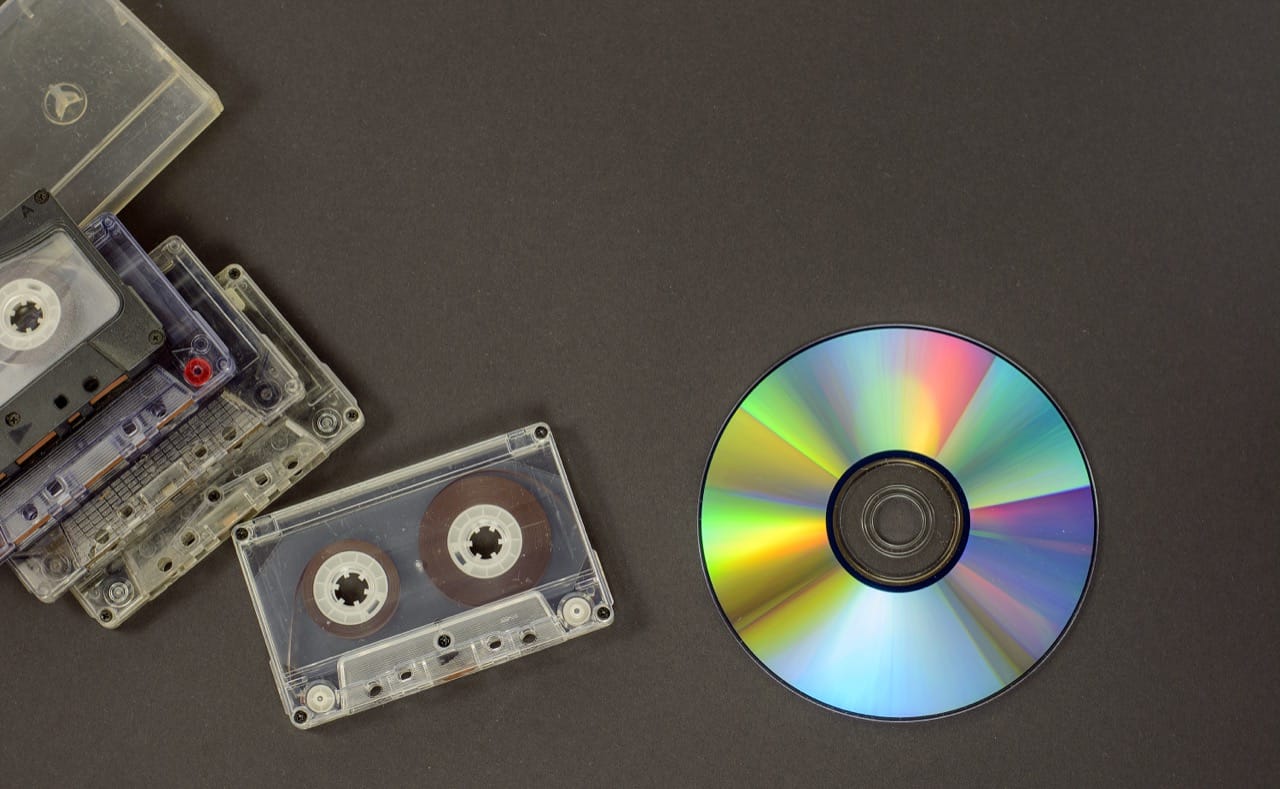
For many listeners, 90s metal wasn’t just music you put on, it was something you carried around in daily life. The decade’s soundtracked routines were physical: car speakers buzzing from too much bass, portable CD players skipping when you ran for the bus, and mixtapes or burned discs traded like currency. Metal in the 90s also felt unusually close to its audience because it was constantly changing. New styles didn’t arrive politely; they collided, argued, and sometimes fused into something that didn’t even have a name yet.
At the start of the decade, thrash and classic heavy metal were still influential, but the ground was shifting. Death metal and black metal scenes became more visible, each pushing extremes in different directions. Death metal emphasized technicality, speed, and guttural vocals, while black metal leaned into icy atmosphere, raw production, and a striking visual identity. Even if many fans never bought those records at a mall store, the ideas filtered outward. Suddenly, heavier tones, faster drumming, and darker imagery were part of the broader conversation.
Then came the wave that put metal into places it hadn’t been in years: groove metal and the rise of massive, down-tuned riffs that hit like machinery. Bands built songs around rhythm and impact rather than flashy solos, and that shift changed what many people thought “heavy” meant. At the same time, alternative metal and industrial metal found audiences who might not have cared about traditional metal scenes. Samples, electronics, and mechanical textures became normal in heavy music, and the live shows often felt like part concert, part spectacle.
The middle of the decade brought the most mainstream crossover: nu metal. Whatever someone thinks of the label, it captured a real cultural moment. Hip hop rhythms, DJ scratching, and a confessional lyrical style entered heavy music, and suddenly metal was back on radio and television in a big way. It also changed the social map of heavy music. A kid who came in through a charting single might later dig backward into thrash, death metal, or classic records. The pipeline ran both ways, with underground credibility and mainstream visibility constantly debating each other.
Lineup changes became part of the lore, too. In the 90s, fans tracked drummers, vocalists, and guitarists like sports trades, and those shifts could transform a band’s identity overnight. A new singer might bring melody or a harsher edge. A different drummer could turn a straightforward band into a technical powerhouse. Even production choices mattered: the same group could sound warm and organic on one album and cold and compressed on the next, reflecting changing studio trends and the era’s obsession with bigger, louder mixes.
Festivals and tours helped prove metal could be communal on a huge scale. The 90s saw major touring packages that mixed subgenres, creating bills where a fan might discover a new favorite band simply by showing up early. That sense of discovery was amplified by magazines, late-night radio shows, and the early internet, where arguments about genre labels and best albums could last for weeks.
What makes 90s metal so memory-heavy is that it lived at the intersection of personal emotion and public noise. It was angry, funny, experimental, and sometimes messy, but it gave listeners a language for intensity. Whether you were there when the CDs were new or found them later, the decade’s metal still invites the same reaction: turn it up, argue about it, and remember exactly where you were when that riff hit.