Name That 90s Tune in Ten Seconds





Quiz Complete!
Name That 90s Tune in Ten Seconds: Why a Few Seconds Is All You Need
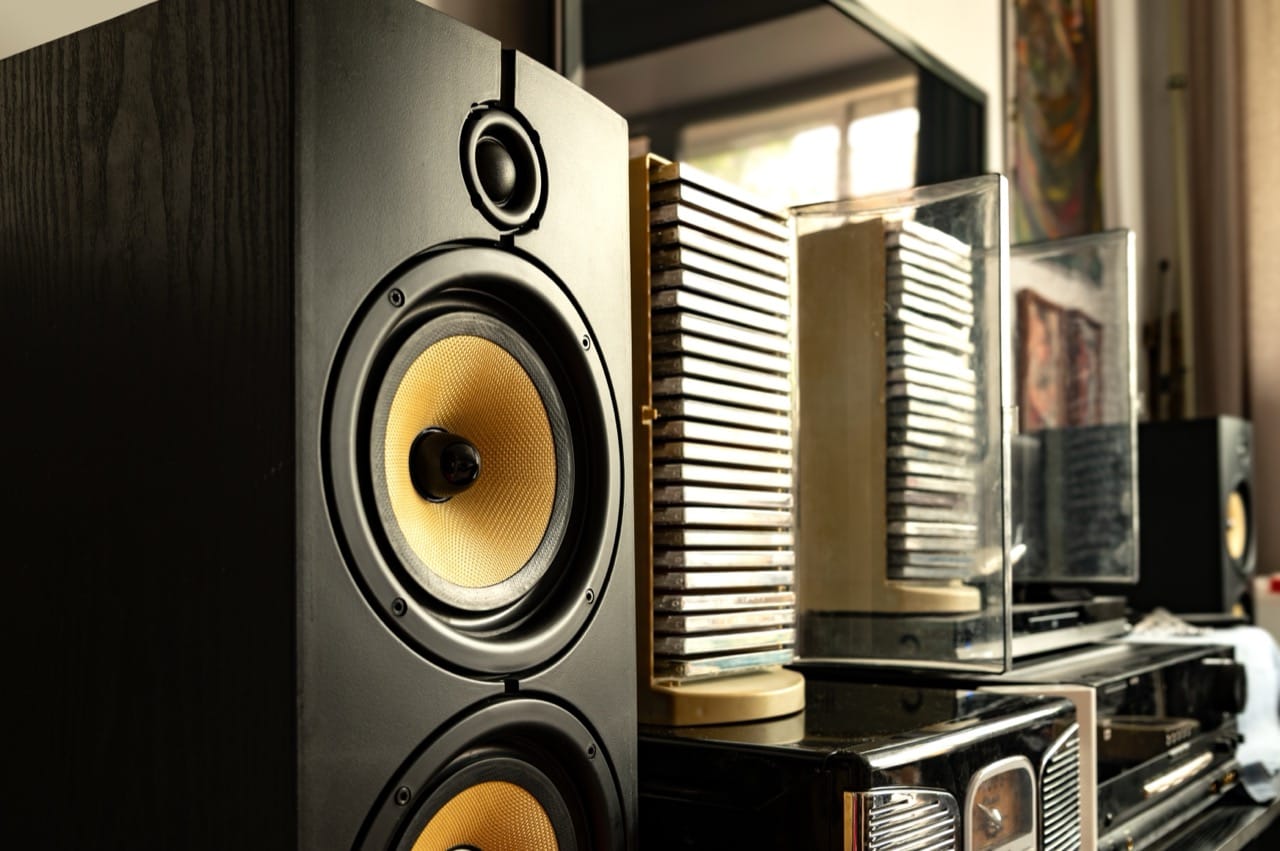
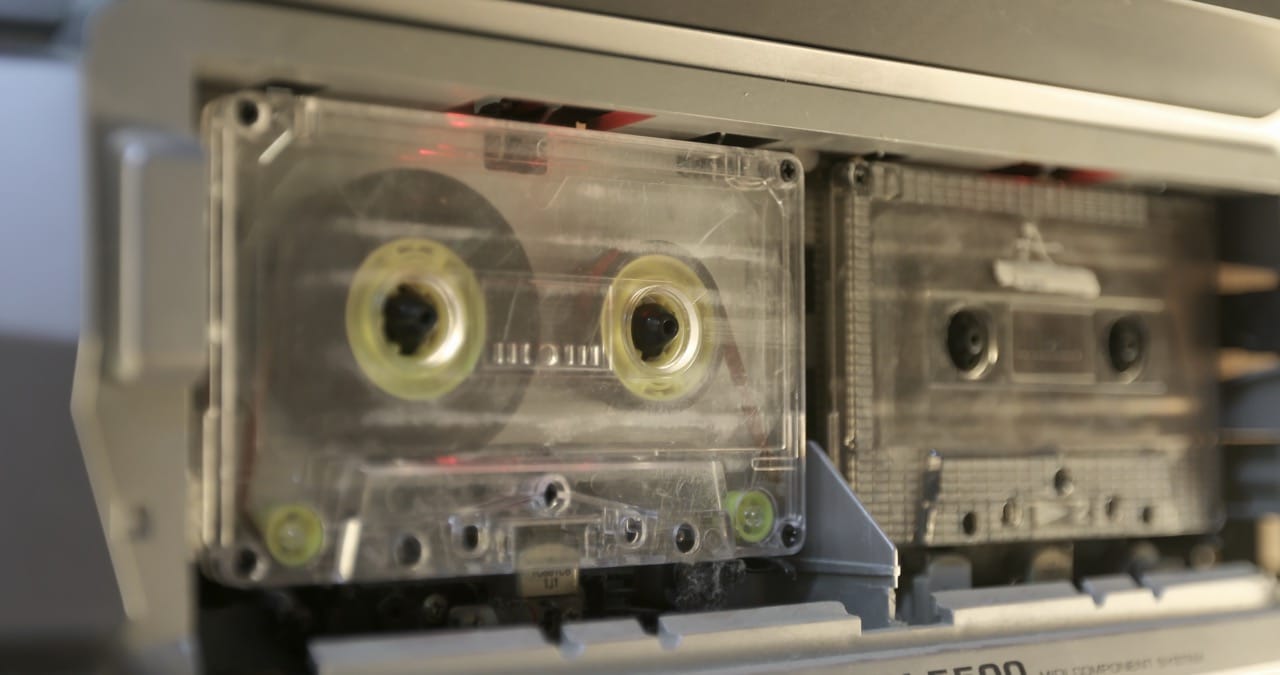
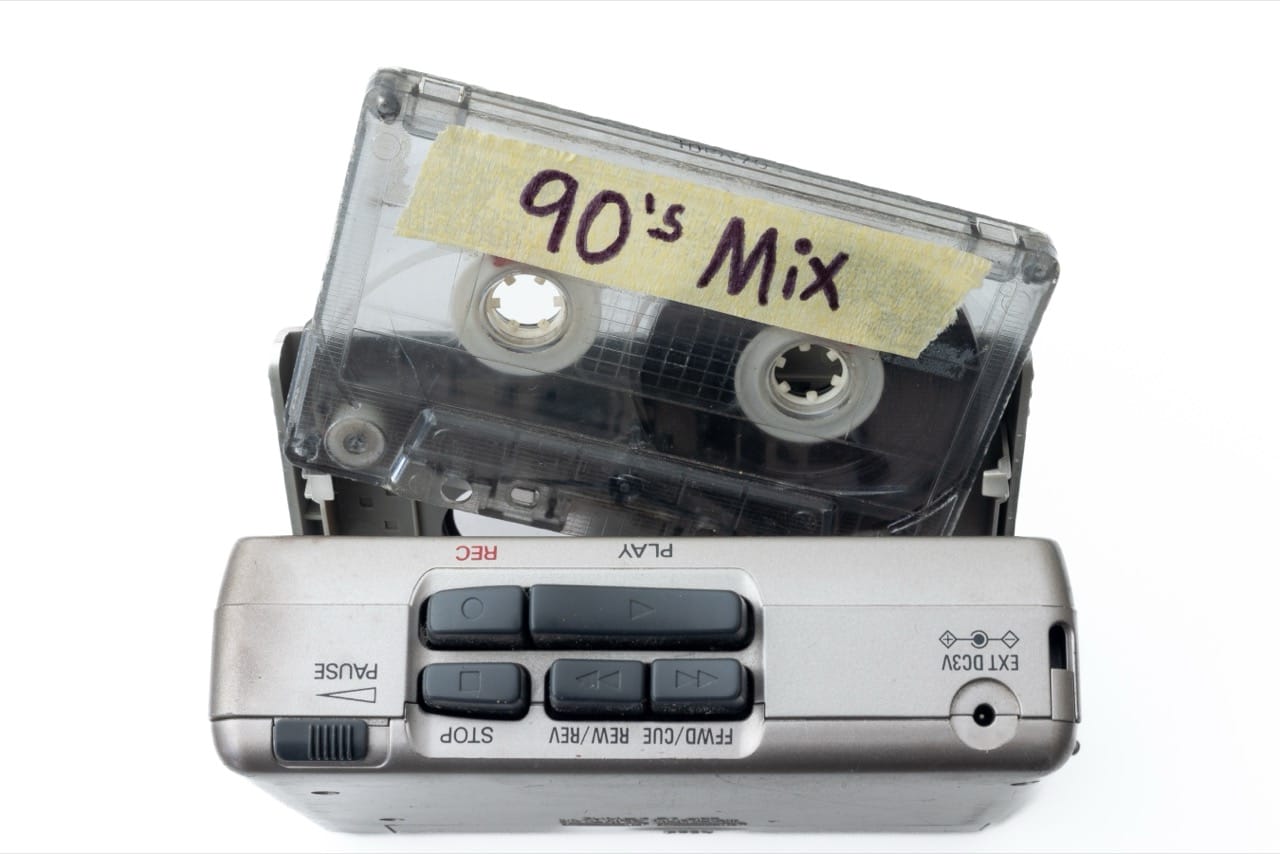
The 1990s were built for instant recognition. Music lived in places where skipping around was physical: tapping a radio preset, fast-forwarding a cassette until the counter looked right, or flipping through a CD binder to find the disc with the song everyone wanted. That environment made “name that tune” games feel natural, because most people already listened in fragments. You caught a chorus while walking past a store, heard a DJ tease the intro before talking over it, or recognized a track from a movie trailer. Ten seconds was often more than enough.
A big reason short clips work is that pop music in the 90s leaned hard on signature openings. Producers understood that radio was competitive, so they built hooks that announced themselves immediately. Think of the crisp drum patterns and bright synth stabs of dance-pop, the distorted guitar chords that defined grunge and alternative rock, or the dramatic, cinematic intros of R and B ballads. Even when a song started quietly, it usually had a distinct texture: a particular reverb, a vocal ad-lib, or a drum sound that screamed a specific era.
Your brain also has a few shortcuts that make guessing easier than it seems. Tempo is one of the fastest clues. A track that sits around a club-friendly pace can narrow the field to dance, hip-hop, or pop, while slower tempos often hint at power ballads or trip-hop. Timbre, the character of a sound, is even more revealing. The metallic swing of certain drum machines, the glossy sheen of late-90s vocal production, or the gritty crunch of a guitar tone can point to a year and a scene. Then there is the “first lyric” effect: many 90s hits begin with a memorable line or a distinctive vocal entrance. If you can recall even one word, your memory tends to pull the rest of the song along like a zipper.
Sampling and signature sounds made the decade especially quiz-friendly. Hip-hop and pop frequently used recognizable samples, from classic funk breaks to distinctive vocal snippets. Sometimes the sample is the giveaway, even if you cannot place the artist right away. The same goes for iconic intros that became cultural shorthand, like a famous shout, a spoken phrase, or a guitar riff that instantly telegraphs the song’s identity.
The social side of these games mattered too. At parties, people would challenge each other with the first seconds of a track, often straight from a CD player’s track start or a cassette’s rewind point. On radio call-in contests, stations would play a quick clip and reward the first listener who could name it, training a generation to identify songs under pressure. Later, early web pages and computer programs turned the idea into trivia with tiny audio files, and the first wave of MP3 sharing created a new twist: mislabeled tracks and low-bitrate artifacts sometimes became part of the puzzle.
If you want to get better at a ten-second tune quiz, listen for the “anchor” elements: the first drum fill, the bass line shape, the chord progression, and any unique production flourish. Try to separate what is truly distinctive from what is common to the genre. A four-on-the-floor beat alone is not enough, but a specific synth patch plus a particular vocal style might be. The 90s rewarded big identities, and that is why a sliver of sound can still trigger a full memory. In a decade of mixtapes and radio countdowns, recognition was a skill people practiced every day without realizing it.