Passport Stamps and 90s Soundwaves










Quiz Complete!
Passport Stamps and 90s Soundwaves: How Regional Music Went Global
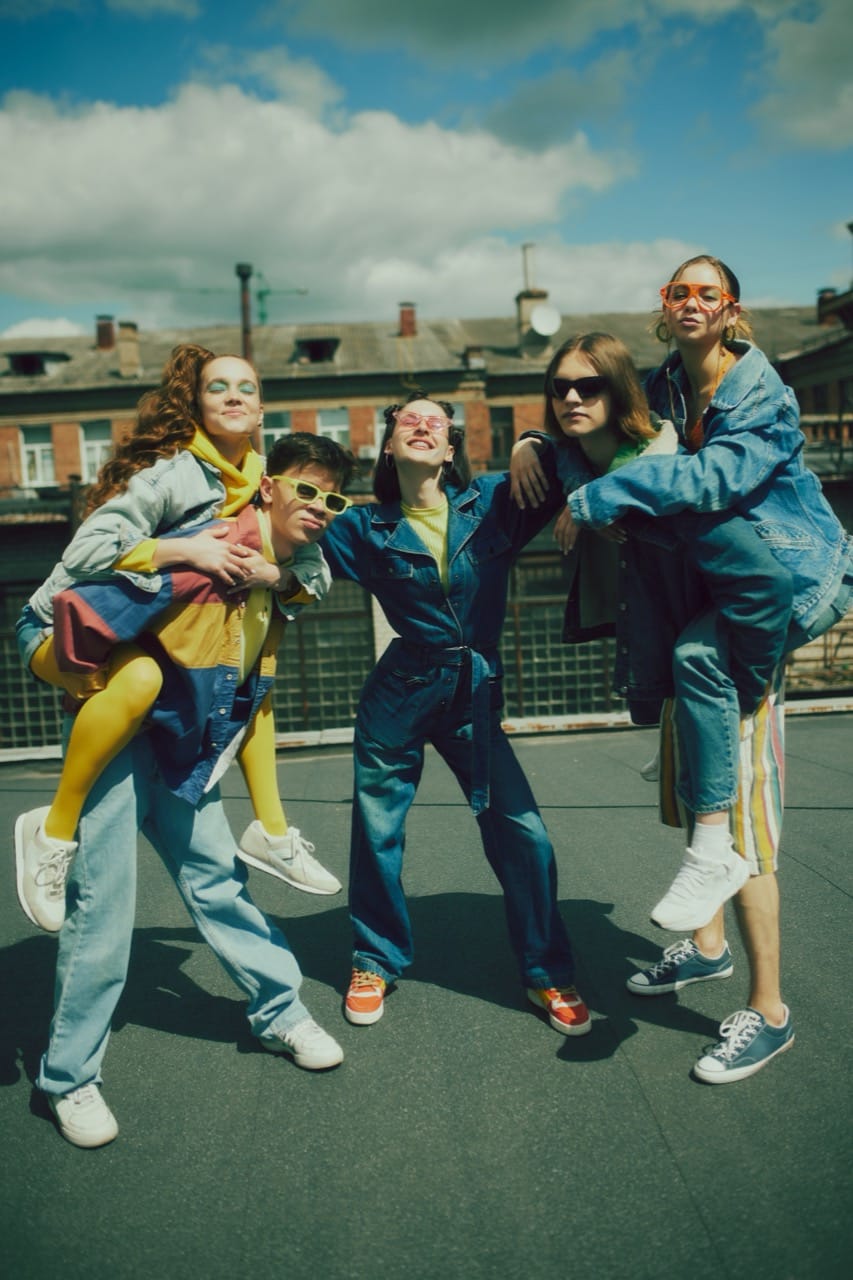
The 1990s were the decade when music started traveling like a frequent flyer. You could still feel strong local identities in sound, slang, and style, but new pathways made it easier for those scenes to be heard far from home. Satellite TV, the rise of music video channels in different regions, cheaper international touring, and the spread of CDs all helped. By the end of the decade, file sharing and early internet fandoms were beginning to erase borders even faster. The result was a world where a hit could be born in a specific neighborhood and end up as a dance floor staple on another continent.
In East Asia, the roots of modern K-pop took shape through a mix of American hip-hop, R and B, and local pop traditions. A landmark moment came with Seo Taiji and Boys in 1992, whose genre-blending approach helped change what mainstream Korean pop could sound and look like. Entertainment companies soon refined the idol training system, focusing on choreography, visuals, and tight production values. By the late 90s, groups like H O T and S E S were building the template for a global export, supported by fan clubs that organized with impressive coordination long before social media made that common.
Latin pop also broke through in new ways. The decade saw crossover become a strategy rather than a rare accident, with artists recording in multiple languages and labels learning how to market beyond regional categories. Selena’s mid-90s rise, though tragically cut short, helped bring Tejano and Mexican American pop into wider view. Near the decade’s end, the global pop market made room for Spanish-language and bilingual hits, setting the stage for the explosion that followed with artists like Ricky Martin, Shakira, and Enrique Iglesias. These weren’t just catchy singles; they were cultural moments tied to TV appearances, award shows, and the growing influence of Latin audiences in the United States and Europe.
Electronic dance music became one of the most borderless sounds of the era. House and techno evolved into a constellation of styles, from UK jungle and drum and bass to trance and big beat. Raves and club nights formed international circuits, and festivals became meeting points where scenes cross-pollinated. The Love Parade in Berlin symbolized a new post-Cold War openness, turning the city into a global dance destination. DJs and producers gained star status, and remixes turned local tracks into worldwide club weapons.
Hip-hop’s expansion was equally transformative. While the genre’s American roots remained central, the 90s saw local languages and accents reshape rap in France, Germany, Japan, and across Africa. The core elements traveled, but the stories changed to fit local realities, from immigration and policing to regional pride. Music television and film soundtracks helped hip-hop aesthetics spread, while mixtapes, pirate radio, and later online sharing gave grassroots scenes a way to bypass traditional gatekeepers.
Across South Asia and its diaspora, bhangra evolved from folk celebration into a modern club sound, especially in the UK, where producers fused Punjabi rhythms with hip-hop, reggae, and electronic beats. In North Africa, rai moved from regional fame to international recognition, with artists like Khaled bringing the genre’s emotional intensity to global audiences. In West Africa, Afro-pop and related styles blended highlife, soukous, and new studio techniques, influencing pop far beyond the continent even when the original artists were under-credited.
What made the 90s special was the constant negotiation between local authenticity and global reach. Artists experimented with language, collaborated across borders, and adapted to new media platforms that could amplify a song overnight. The decade’s soundwaves carried passport stamps: evidence of where music came from, and proof that listeners everywhere were ready to dance to something unfamiliar and make it their own.