Radio Days 1991 Pop Hits Quiz

Quiz Complete!
Radio Days 1991 Pop Hits: The Year Pop Took Over the Airwaves
Introduction In 1991, pop music felt like it was everywhere at once. You heard the same hooks on the school bus, in shopping malls, on morning radio shows, and on TV countdowns after school. It was a year when radio still set the pace for what became a hit, MTV could turn a song into a cultural moment overnight, and people built their own playlists by buying cassette singles or recording songs off the air. The pop landscape of 1991 was also unusually mixed: glossy dance-pop, emotional ballads, and crossover sounds all shared space at the top.
Pop on the charts and on the street One of the clearest snapshots of 1991 is how long certain songs stayed in heavy rotation. Bryan Adams’ ballad Everything I Do I Do It for You became a global radio fixture, tied closely to the film Robin Hood Prince of Thieves and remembered for its massive chart run. At the same time, upbeat dance-pop and R and B flavored pop were unavoidable. Paula Abdul’s Rush Rush showed how a big ballad could dominate, while her earlier hits still shaped the sound of contemporary pop radio.
Crossover was a key theme. Pop audiences were embracing sounds that pulled from R and B, dance, and even hip-hop, and radio programmers leaned into that variety. Boyz II Men’s End of the Road arrived near the end of the year and quickly became one of the defining slow jams of the era, showing how vocal groups could command both pop and R and B audiences.
Breakthrough artists and defining moments 1991 also introduced or elevated artists who would shape the decade. Mariah Carey followed her breakout with Emotions, a song that showed off her vocal style and kept her at the center of pop conversation. Michael Jackson launched the Dangerous era with Black or White, an event-sized release that was as much about the video premiere as the single itself. And while not every major 1991 hit was strictly pop, the year’s biggest songs influenced pop radio’s direction, pushing it toward bigger choruses, stronger grooves, and more genre blending.
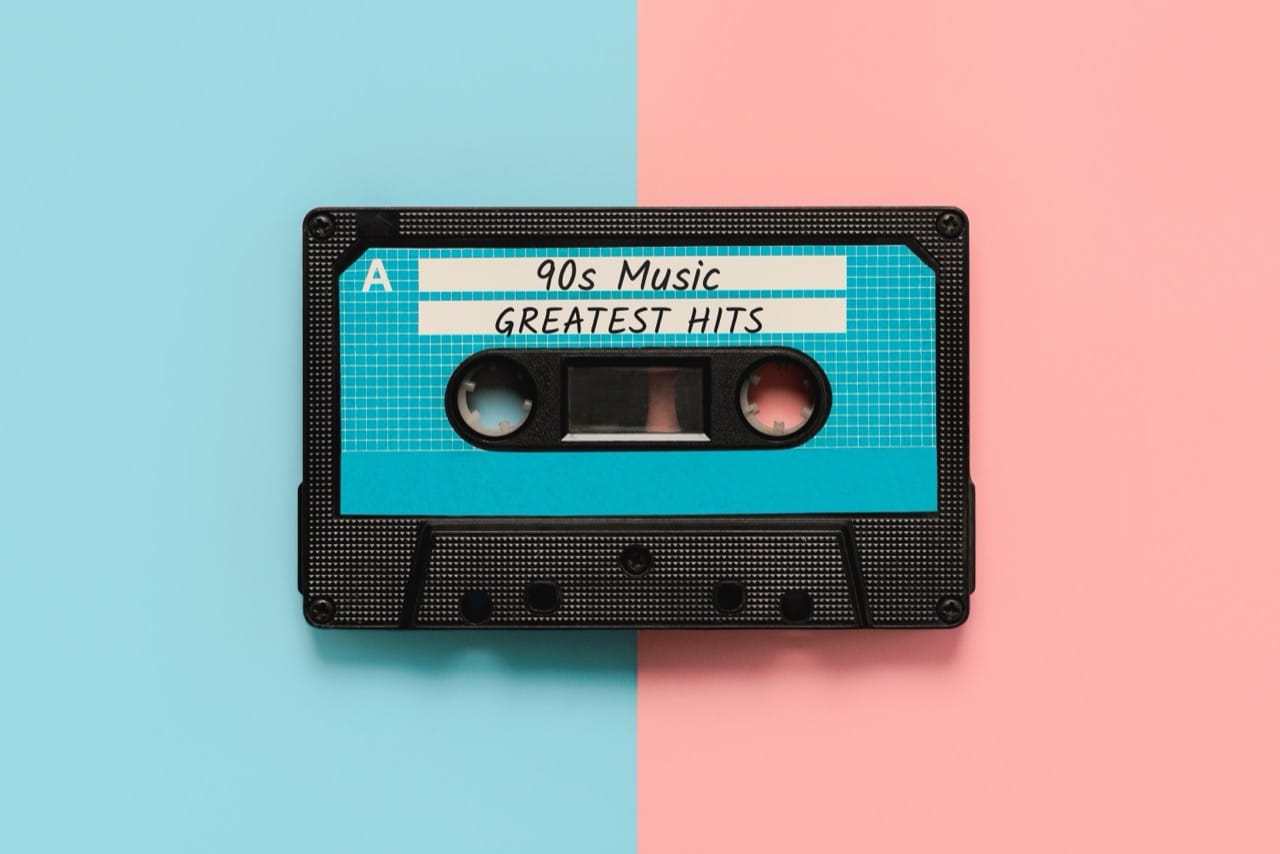
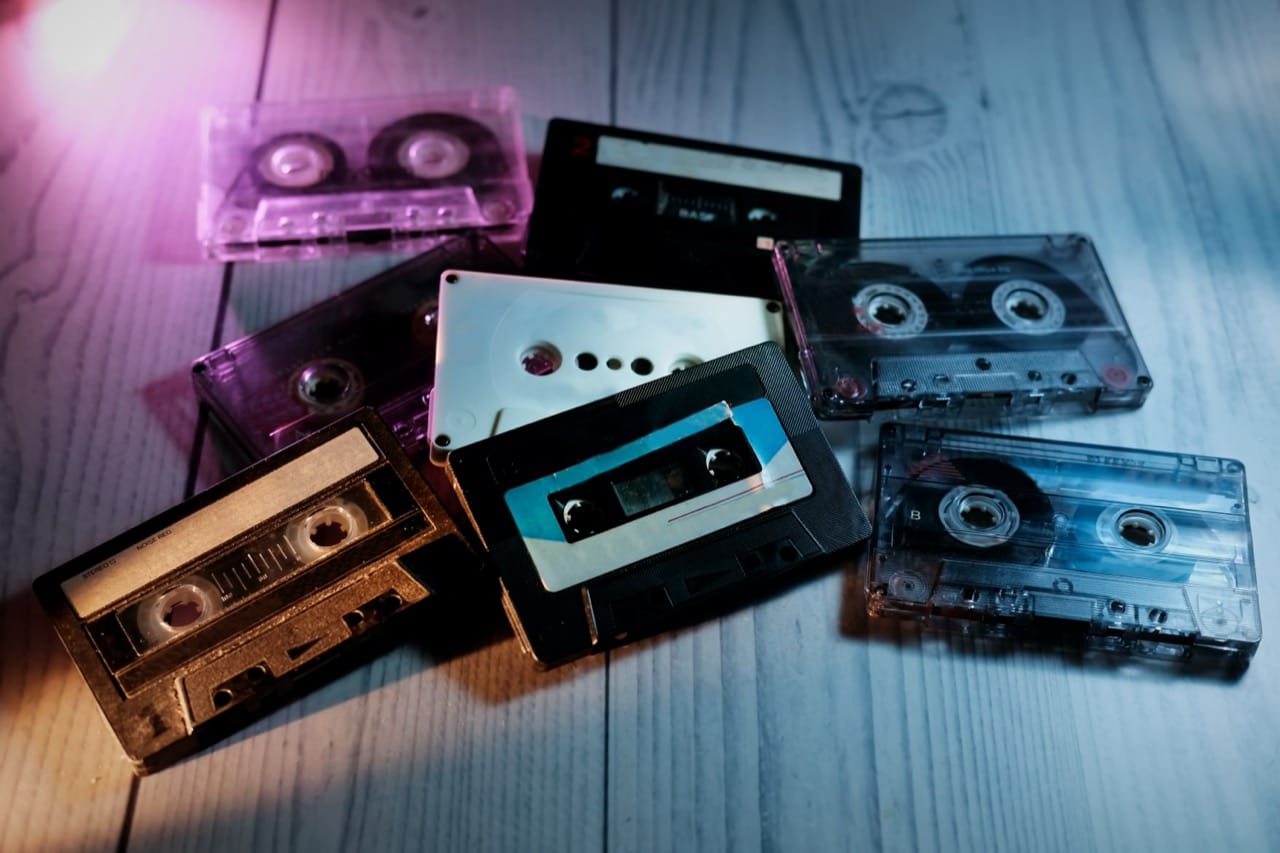
The role of MTV, singles, and the way people listened The music video was still a powerful engine for pop success. A memorable video could turn a track into an identity, not just a song, and viewers often discovered hits visually before they bought them. Meanwhile, the physical single mattered. Cassette singles were common, CD singles were gaining ground, and many listeners created homemade mixes by patiently waiting for a DJ to stop talking so they could hit record at the perfect moment.
Behind the scenes, labels timed releases carefully to maximize radio impact, and chart performance depended on a combination of airplay and sales. That is why some songs felt inescapable for weeks or months: they were built for repetition, and the media ecosystem rewarded familiarity.
Conclusion Looking back, 1991 stands out as a year when pop was both communal and constant. Hits spread through radio countdowns, MTV premieres, and word of mouth, and they became part of everyday life in a way that is instantly recognizable even now. If your quiz takes you through chart-toppers, debuts, and record-setting runs, it is really testing something deeper: how well you remember the sound of a year when a catchy hook could follow you everywhere and everyone seemed to know the chorus.