Radio Ready 90s Pop Styles Trivia Pro Mode




Quiz Complete!
Radio Ready 90s Pop: How a Decade Remade the Hit Song
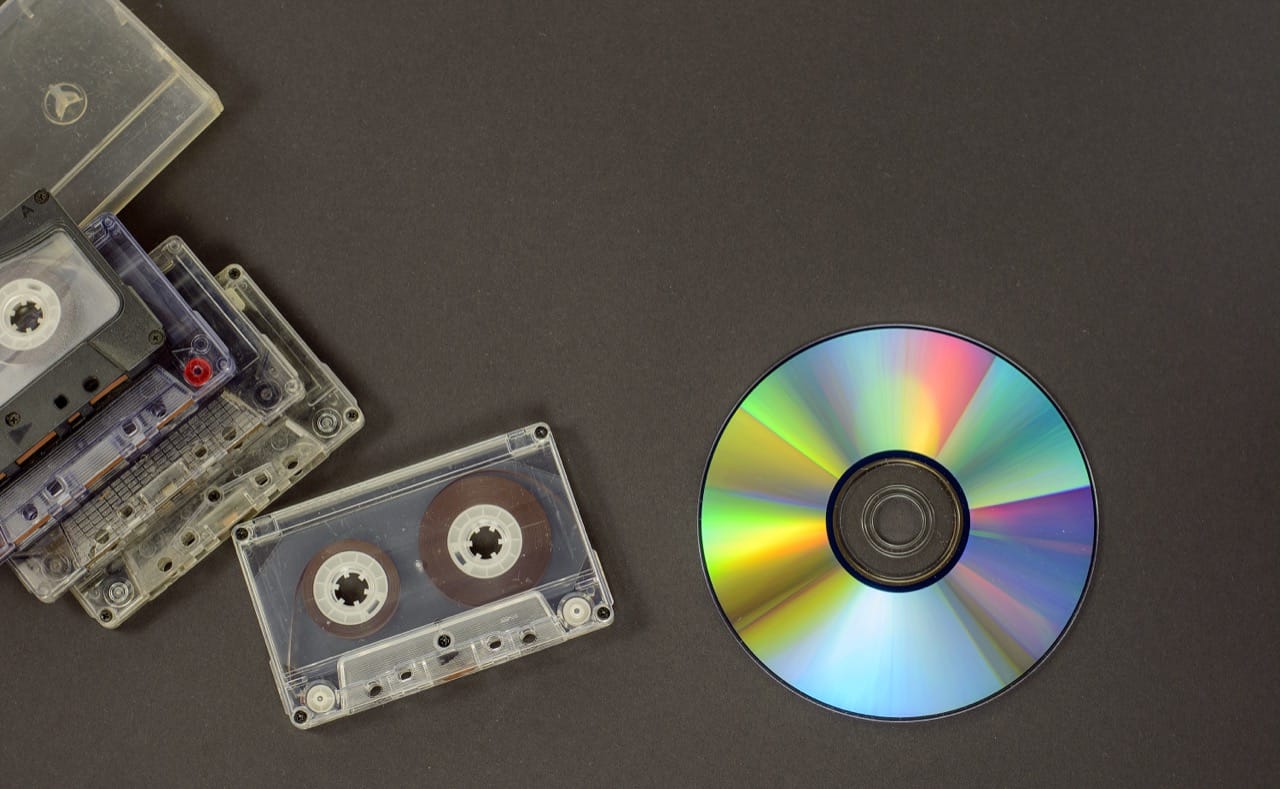
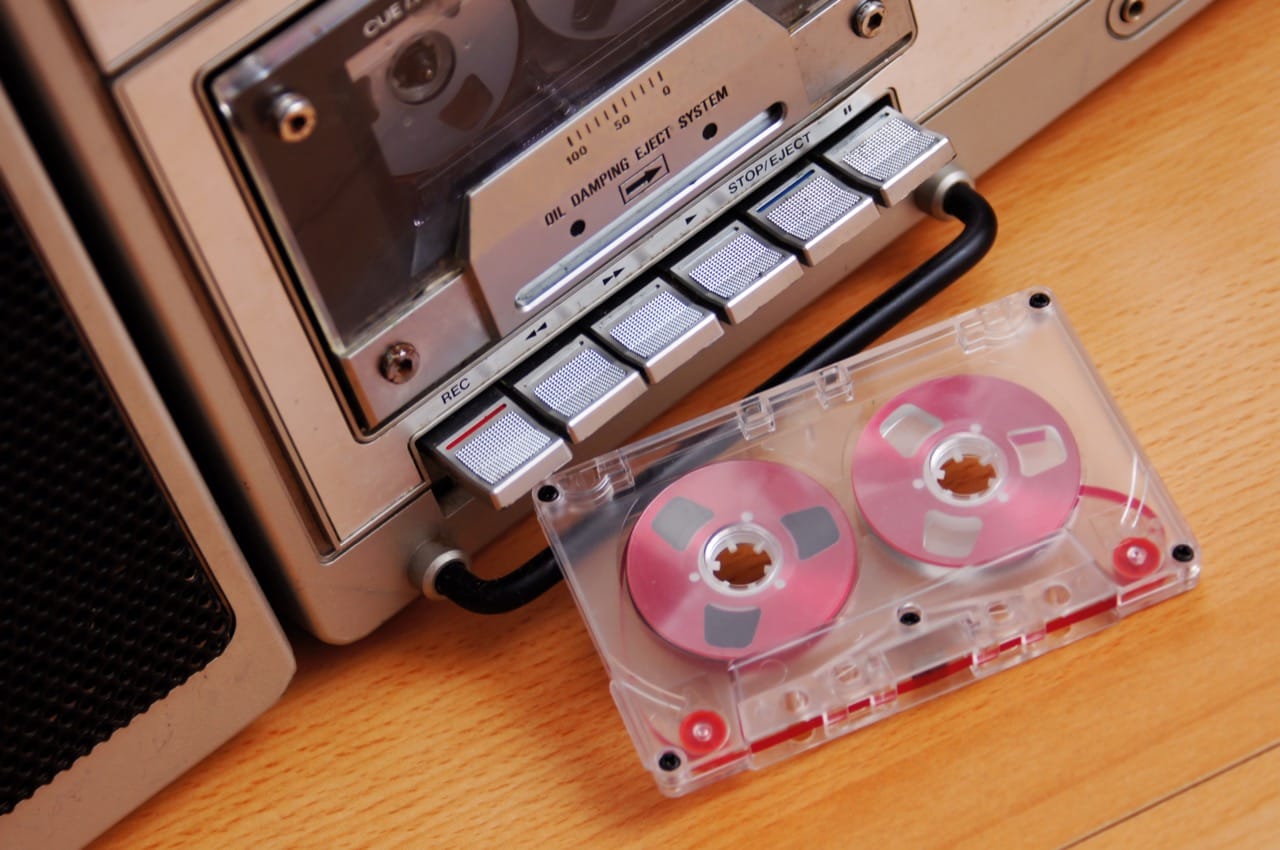
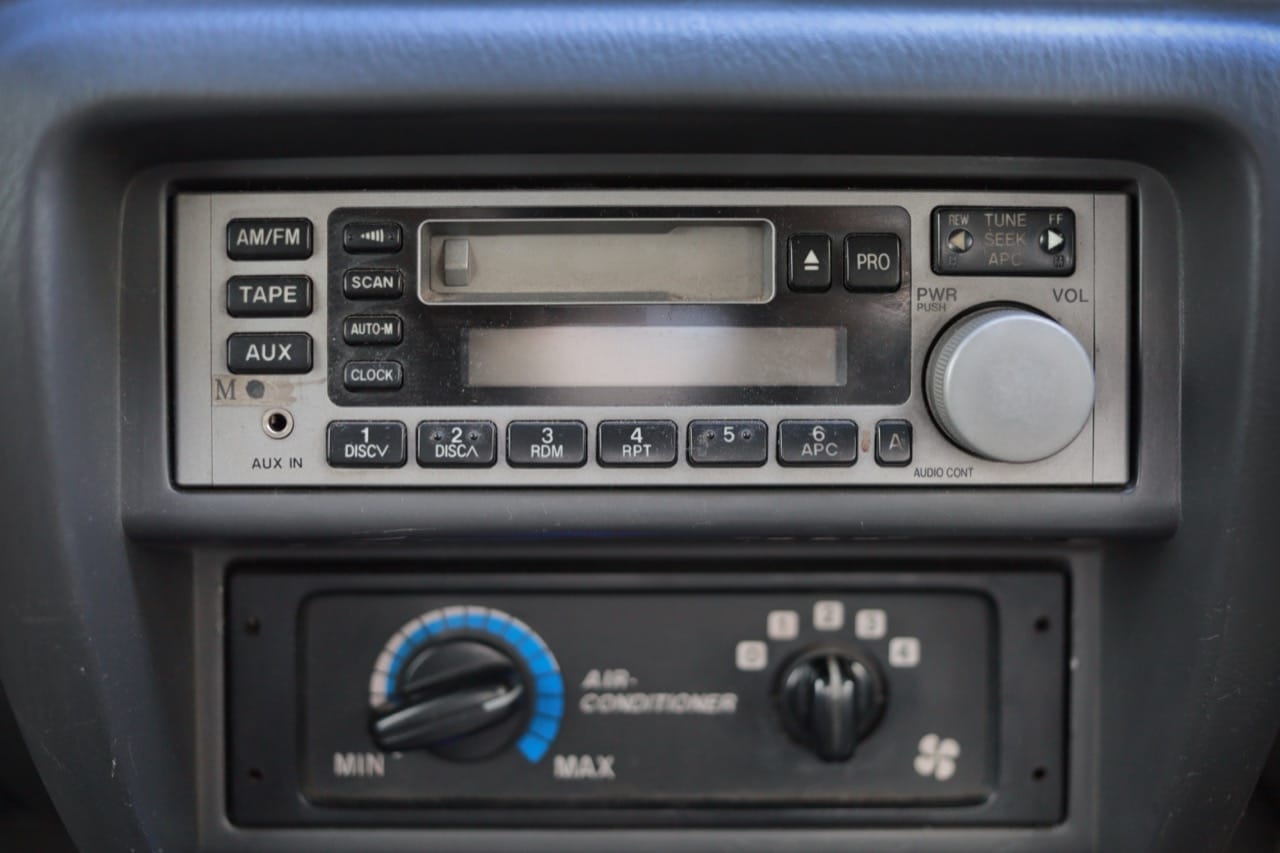
If 1980s pop was about spectacle, 1990s pop was about flexibility. The decade stretched the definition of pop until it could hold teen idols, club anthems, R&B ballads, rap features, and Latin rhythms all at once, often in the same Top 40 hour. It was also the era when the sound of a hit became more engineered than ever, shaped by producers who treated the studio like an instrument and by a marketplace that moved from cassettes to CDs, from radio dominance to MTV countdowns, and eventually toward the first wave of digital listening.
Early 90s pop still carried some 80s shine, but new grooves took over quickly. New jack swing, with its crisp drum machine patterns and hip-hop attitude, helped bridge R&B and pop, making room for artists who could sing big hooks over harder beats. At the same time, adult contemporary ballads remained powerful, built on soaring choruses and key changes that made car stereos feel cinematic. Power vocals were a kind of currency, and the decade produced a generation of singers whose melisma and range became instantly recognizable.
Then came the club pipeline. Eurodance and house-influenced pop pushed four-on-the-floor beats, bright synth stabs, and chantable choruses that were designed for both radio edits and extended mixes. This dance-pop energy fed into the mainstream in waves, from one-hit wonders to global smashes, and it helped normalize the idea that pop could be as much about rhythm and texture as about guitar chords.
By the mid to late 90s, teen pop rose as a carefully crafted phenomenon. Its secret weapon was songwriting and production that balanced innocence with punch: tight verse melodies, pre-choruses that built tension, and choruses that exploded with layered vocals and sparkling synths. Swedish studios became famous for this assembly-line precision, and producers like Max Martin left a melodic fingerprint that listeners still recognize today: simple, unforgettable hooks, clever chord turns, and mixes that made every element feel loud without sounding messy. These songs were built to survive on small speakers, in noisy malls, and through repeated MTV rotation.
Pop also absorbed hip-hop more openly as the decade progressed. Rap verses became common features, not just remixes, and the rhythmic phrasing of hip-hop influenced how pop singers delivered lines. Meanwhile, R&B-pop crossovers dominated slow jams and mid-tempo grooves, often built on warm bass, crisp snares, and harmonies stacked into thick chords. Producers specialized in creating a polished intimacy, where the vocal felt close enough to whisper, yet the chorus still hit like a stadium moment.
Latin pop’s breakthrough added another major flavor, bringing bilingual hits and rhythmic ideas like salsa-inflected percussion and romantic guitar patterns into mainstream rotation. These songs often paired dramatic storytelling with danceable beats, widening pop’s emotional palette and global reach.
Behind all of it was a shift in how records were made. Digital recording, sampling, and increasingly precise editing changed the feel of pop. Drums got tighter, vocals got cleaner, and mixes became brighter, with punchy low end designed for car systems. The 90s also loved the remix culture: a single could live multiple lives as a radio version, a club mix, and an R&B reinterpretation, each targeting a different audience.
Listening back, the decade’s biggest trick was making variety feel unified. Whether the hook came from a bubblegum chorus, a dance beat, a gospel-leaning vocal run, or a Latin groove, 90s pop aimed for the same goal: instant recognition and repeatability. That is why it remains such a rich trivia landscape, full of stylistic clues, production signatures, and chart moments that still echo in today’s hitmaking.