Rave Machines and 90s Dance Science Brain Buster Edition








Quiz Complete!
How 90s Dance Music Technology Turned Raves into Laboratories
The 1990s dance boom was not just a cultural wave of warehouses, clubs, and all-night radio; it was a practical revolution in how sound could be made, edited, and delivered at high volume. The decade arrived with a growing ecosystem of affordable machines that could speak to each other, recordable media that could be copied and carried, and new digital tricks that changed what DJs and producers thought was possible. When people talk about the 90s sound, they are often describing the combined effect of specific tools and the physics of loud rooms.
A key connector was MIDI, a communication standard that let keyboards, drum machines, sequencers, and rack modules stay in sync. MIDI did not transmit audio, it transmitted instructions: which note, how hard, how long, and when. That distinction mattered because it made music modular. A producer could program a pattern once, then swap the sound source from a cheap module to a studio synth without rewriting the part. Tight timing was the goal, but real-world setups often had small delays and jitter, so people learned to nudge notes, shift grooves, and even embrace slight imperfections as feel.
Drum machines and bassline boxes became icons because they were immediate and punchy. Roland units like the TR series and the TB-303 were designed for other purposes, yet their quirks became signatures once pushed through club systems. The 303 in particular sounded nothing like a real bass guitar, but its resonant filter and sliding notes made a liquid, talking tone when driven hard. Samplers were equally important. As prices dropped, more producers could capture a drum hit, a vocal fragment, or a slice of a breakbeat and build entire tracks from tiny pieces of recorded reality.
Sampling raised a technical question that listeners could feel even if they did not know the terms: bit depth and sample rate. Lower bit depth can add gritty distortion and a rough edge, while higher settings preserve more detail. Many classic records sit in a sweet spot where limitations became character. Time stretching was another breakthrough. Early methods could sound metallic or watery, but they allowed a breakbeat to fit a new tempo without changing pitch, or a vocal hook to float over faster drums. In jungle and drum and bass, chopping breaks into slices and rearranging them was almost a science of micro-timing and energy management.
The studio itself changed as digital audio workstations began to replace tape and hardware-only workflows. Editing became visual and non-destructive, meaning you could experiment without erasing the original. That encouraged dense arrangements, rapid variations, and precise automation of filters and effects. Yet many producers still relied on outboard gear because it added weight, saturation, and hands-on control.
One of the most recognizable 90s production techniques is sidechain compression, often heard as a rhythmic pumping where pads and bass duck out of the way of the kick drum. Technically, a compressor reduces volume when triggered by another signal, but musically it creates breathing space and a physical sense of impact. On big systems, this helped keep low frequencies clean and made the kick feel like it was pushing air.
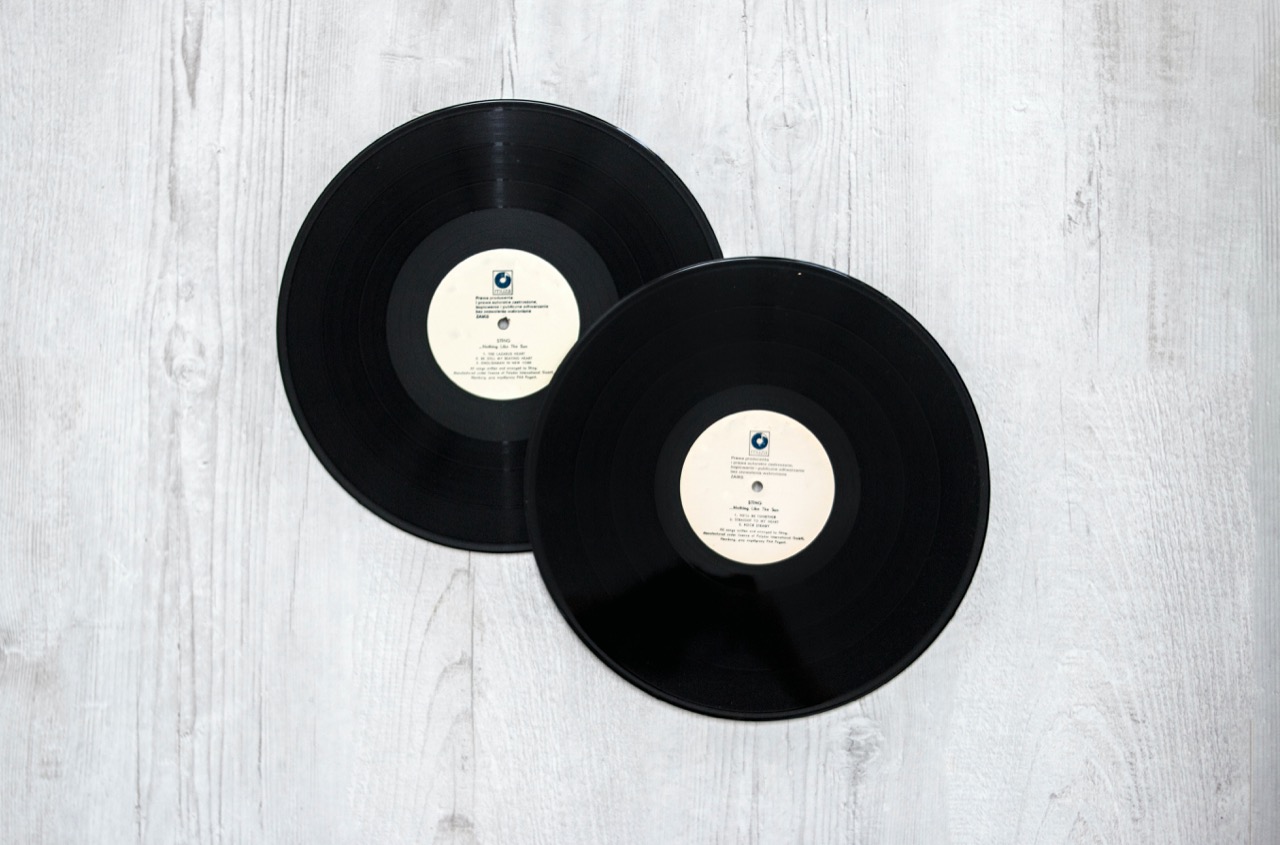
DJ culture evolved alongside the gear. The 12-inch single remained crucial because wider grooves could hold louder cuts and deeper bass, and extended mixes made beatmatching easier. Beatmatching itself is a lesson in tempo, phase, and patience: two records must not only match speed but also align their downbeats so the groove locks. Slipmats, pitch faders, and later digital tools made this easier, but the underlying skill was always about listening for drift and correcting gently.
Then there is the room. Strobes and smoke may be the visuals people remember, but acoustics shaped the experience. Sub-bass wavelengths are long, so bass can build up in corners or disappear at certain spots on the floor. Sound system tuning, crossover points, and speaker placement could make the same record hit like a punch or feel strangely hollow. The 90s rave became a meeting point of engineering and emotion: machines speaking MIDI, samples sliced into new rhythms, compressors breathing with the kick, and thousands of bodies responding to physics in real time.