Rave Reality Check 90s Electronic Essentials






Quiz Complete!
Rave Reality Check: The 90s Electronic Essentials That Still Move the Floor
The 1990s were the decade when electronic music stopped being a rumor passed around on mixtapes and became a global language. Raves and clubs turned into testing grounds for new drum patterns, new machines, and new identities. A lot of what people now call electronic dance music was already there in the 90s, but it arrived in distinct waves: house and techno evolving into sharper forms, trance stretching songs into long emotional builds, big beat bringing breakbeats to rock crowds, and jungle and drum and bass pushing speed and bass pressure to thrilling extremes.
The core engine for much of the decade was the four on the floor kick drum, a steady pulse that made house and techno feel physically inevitable. House carried warmth, swing, and vocal hooks, while techno often leaned into hypnotic repetition and a colder, industrial edge. Both traveled fast across the Atlantic. Chicago and Detroit laid foundations, but the UK and Europe turned those ideas into massive club cultures with their own local accents. By the mid 90s, superclubs and festivals helped turn underground records into anthems, and DJs became tastemakers with real chart power.
Trance is often remembered for soaring synth lines and huge breakdowns, but its roots are more subtle: long blends, evolving arpeggios, and a focus on atmosphere as much as rhythm. It flourished in Germany and the Netherlands and then spread everywhere, with DJs and producers building tracks designed for extended journeys rather than radio length. The genre also created endless quiz bait: the difference between a radio edit and a club mix, how a remix can eclipse an original, and how many famous names were actually aliases.
Big beat and breakbeat gave the decade some of its most recognizable crossover moments. Instead of the steady kick, these styles leaned on chopped drum breaks, distorted bass, and samples that nodded to hip hop, funk, and rock. Acts like The Prodigy, The Chemical Brothers, and Fatboy Slim helped electronic music crash into mainstream pop culture without losing its rave DNA. It was loud, hooky, and built for both clubs and festival stages, which is why so many people who were not regular clubbers still remember the songs.
Meanwhile, jungle and drum and bass were rewriting the rules of speed. Tempos jumped into the 160 to 180 BPM range, and basslines became a science of sub frequencies. Jungle drew from reggae and dancehall sound system culture as much as it did from hardcore rave, often using ragga vocals and complex, chopped breaks like the Amen break. Drum and bass later streamlined some of that chaos into cleaner, futuristic styles, from jazzy rollers to darker techstep. A key part of the story is geography: the UK, especially cities like London and Bristol, became crucial laboratories for these sounds.
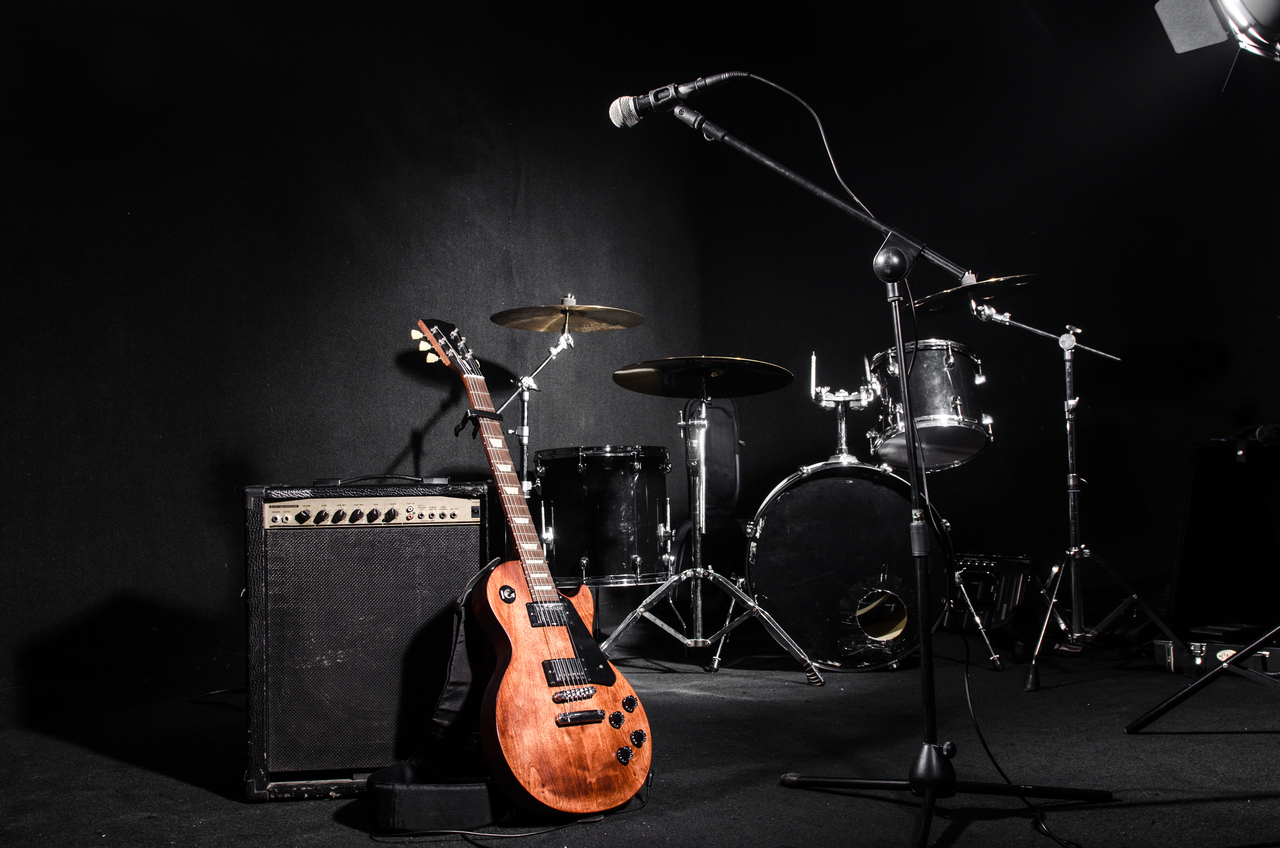
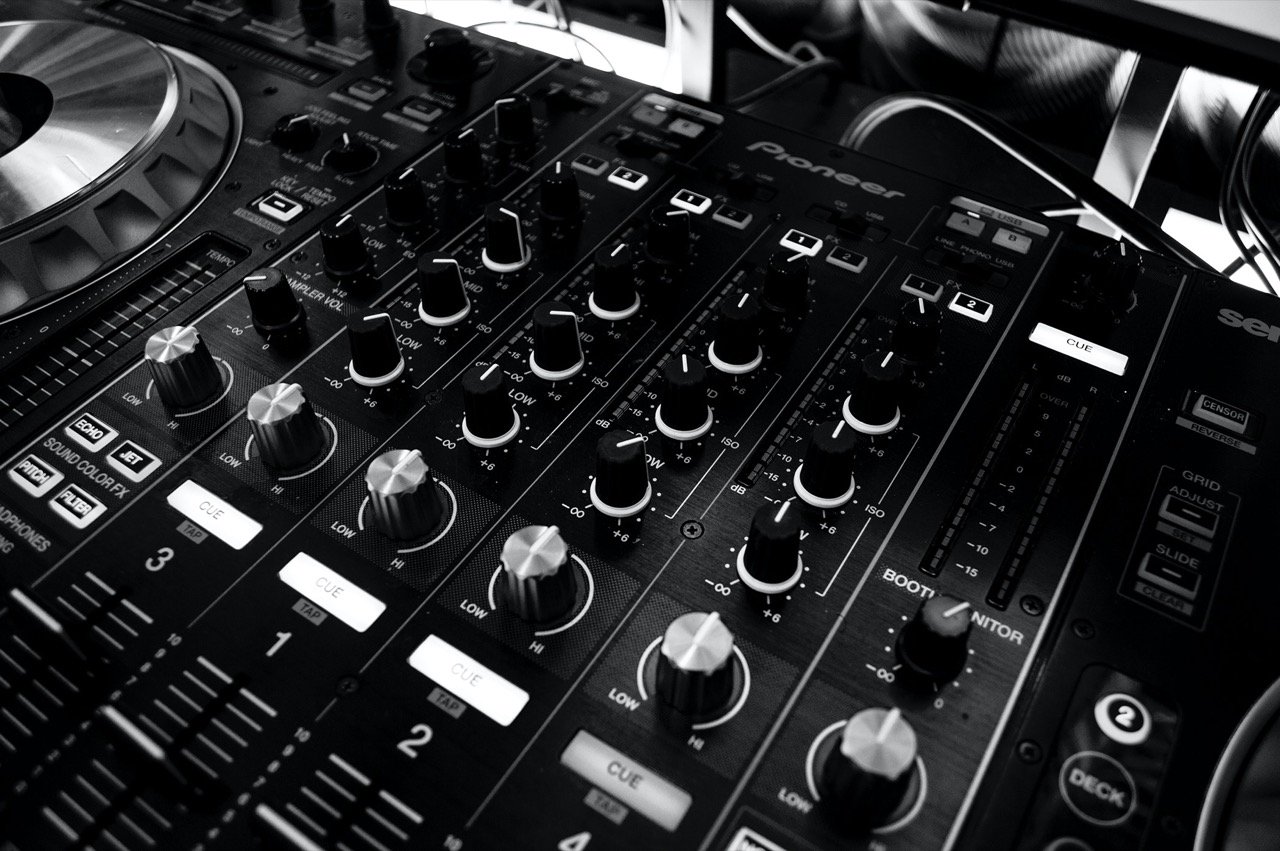
Gear lore matters because limitations shaped the sound. The Roland TB 303 acid bassline, the TR 909 and TR 808 drum machines, and samplers like the Akai units were not just tools, they were signatures. Producers learned to squeeze character out of cheap equipment, and DJs built careers hunting white labels, dubplates, and early pressings that might only exist in a few hundred copies. That is why 90s trivia is full of tricky details about who produced what, which version charted, and how a track changed names as it moved between scenes. If your memory feels fuzzy, that is part of the fun: the decade was a constant remix, and the truth is often hidden in the liner notes you never got to read.