Rewind the 90s Music Timeline Quiz Bonus Round





Quiz Complete!
Rewinding the 1990s: The Fast-Moving Music Timeline That Changed Everything
The 1990s were a decade when music didn’t just change styles, it changed the way people discovered, bought, and shared songs. At the start of the decade, radio and MTV still acted like gatekeepers. By the end, a song could spread through a computer file and a dial-up connection, hinting at the streaming future. In between came a blur of breakthroughs, rivalries, genre crossovers, and technology shifts that made the 90s feel like several eras packed into ten years.
Early on, alternative rock and grunge broke into the mainstream with a force that surprised the industry. Nirvana’s Nevermind became a cultural shockwave in 1991, proving that raw guitars and frank emotion could outsell glossy pop. Pearl Jam, Soundgarden, and Alice in Chains helped define a sound that was both heavy and vulnerable, while the look and attitude of the Pacific Northwest became a global fashion statement. At the same time, hip-hop was expanding rapidly. Artists like Dr. Dre helped shape the G-funk sound, and the decade’s East Coast and West Coast rivalry became a headline-making tragedy with the deaths of Tupac Shakur and The Notorious B.I.G., events that still cast a shadow over discussions of fame, media, and conflict.
Pop didn’t disappear; it evolved. The 90s produced superstar moments that were as much about personality and performance as music. Mariah Carey’s vocal style and chart dominance set new standards, while Whitney Houston’s soundtrack success showed how film and radio could amplify each other. By the late 90s, teen pop and boy bands surged with carefully crafted singles and intense fan culture. The Backstreet Boys, NSYNC, and Britney Spears turned music videos, magazine covers, and arena tours into a single coordinated machine. In the United Kingdom and beyond, the Spice Girls made “girl power” a global slogan, proving that pop could be both manufactured and genuinely influential.
R&B and hip-hop increasingly drove the mainstream, especially as producers blended genres. The rise of New Jack Swing earlier in the decade gave way to sleek, sample-heavy R&B and the dominance of producer-led hits. Collaborations became a defining feature, and rap verses on pop and R&B tracks helped normalize crossover success. Meanwhile, electronic music grew from club culture into a wider phenomenon. Rave scenes, DJ culture, and subgenres like techno, house, and jungle shaped youth nightlife, and by the end of the decade acts like The Prodigy and Fatboy Slim were pushing electronic sounds into charts and rock festivals.
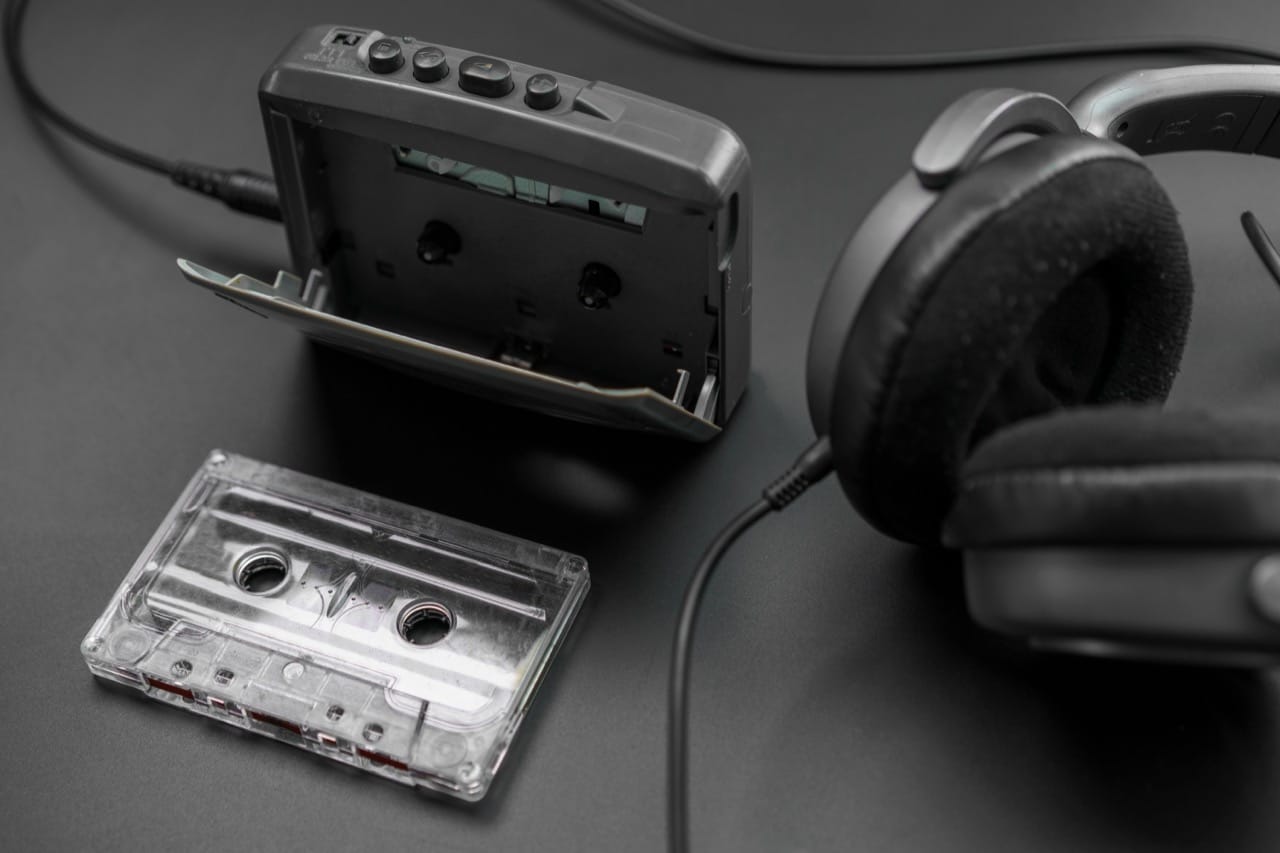
The business of music also transformed. CDs became the default format, and CD singles briefly felt like a perfect bridge between radio hits and full albums. Big album releases turned into events, and record stores were cultural hubs where fans lined up on release day. MTV could launch a career overnight, but it also influenced what artists looked like and how they told stories. Awards and chart milestones mattered intensely because they were widely shared reference points in a less fragmented media world.
Then came the digital tremor that changed everything. MP3 compression made music files small enough to trade online, and by 1999 Napster exposed how quickly listeners would embrace instant access. The industry’s struggle to respond set the stage for the 2000s: legal battles, new storefronts, and eventually streaming. Looking back, the 90s timeline is packed with firsts and turning points, but the bigger story is momentum. Sounds moved faster, audiences connected in new ways, and the decade’s biggest moments still echo every time a playlist jumps from grunge to R&B to dance without missing a beat.