Riot Radio Memories 90s Rock Culture Quiz Xtreme Edition

Quiz Complete!
Riot Radio Memories: How 90s Rock Rewired Youth Culture
In the 1990s, rock music was more than a soundtrack. It became a public argument about identity, authenticity, and power, carried by radio playlists, MTV rotations, photocopied zines, and muddy festival fields. The decade’s defining scenes did not grow in isolation. They formed through touring circuits, independent record stores, college radio, and a rising global media machine that could turn a local sound into a worldwide symbol almost overnight.
Seattle’s grunge boom is often reduced to flannel and distortion, but its deeper impact came from how it challenged the polished excess of late 80s pop culture. The look was partly practical, borrowed from thrift stores and workwear, yet it quickly became a uniform that fashion brands tried to sell back to the same kids who rejected hype. That tension fed the era’s most heated accusation: selling out. In the early 90s, signing to a major label or appearing in a big ad could be treated as betrayal, especially in punk-adjacent circles where DIY ethics were a moral code. Yet many bands saw wider distribution as a way to survive and reach listeners. The debate shaped how fans talked about art and commerce long before social media made those arguments constant.
MTV played a contradictory role. It could flatten scenes into stereotypes, but it also broadcast moments that felt genuinely disruptive. Unplugged performances reframed heavy bands as vulnerable and human. Video premieres became shared events, where a new single could instantly reset the conversation at school the next day. Meanwhile, alternative rock radio grew into a pipeline that could elevate underground acts, but it also created a new kind of gatekeeping where a narrow definition of alternative became the default.
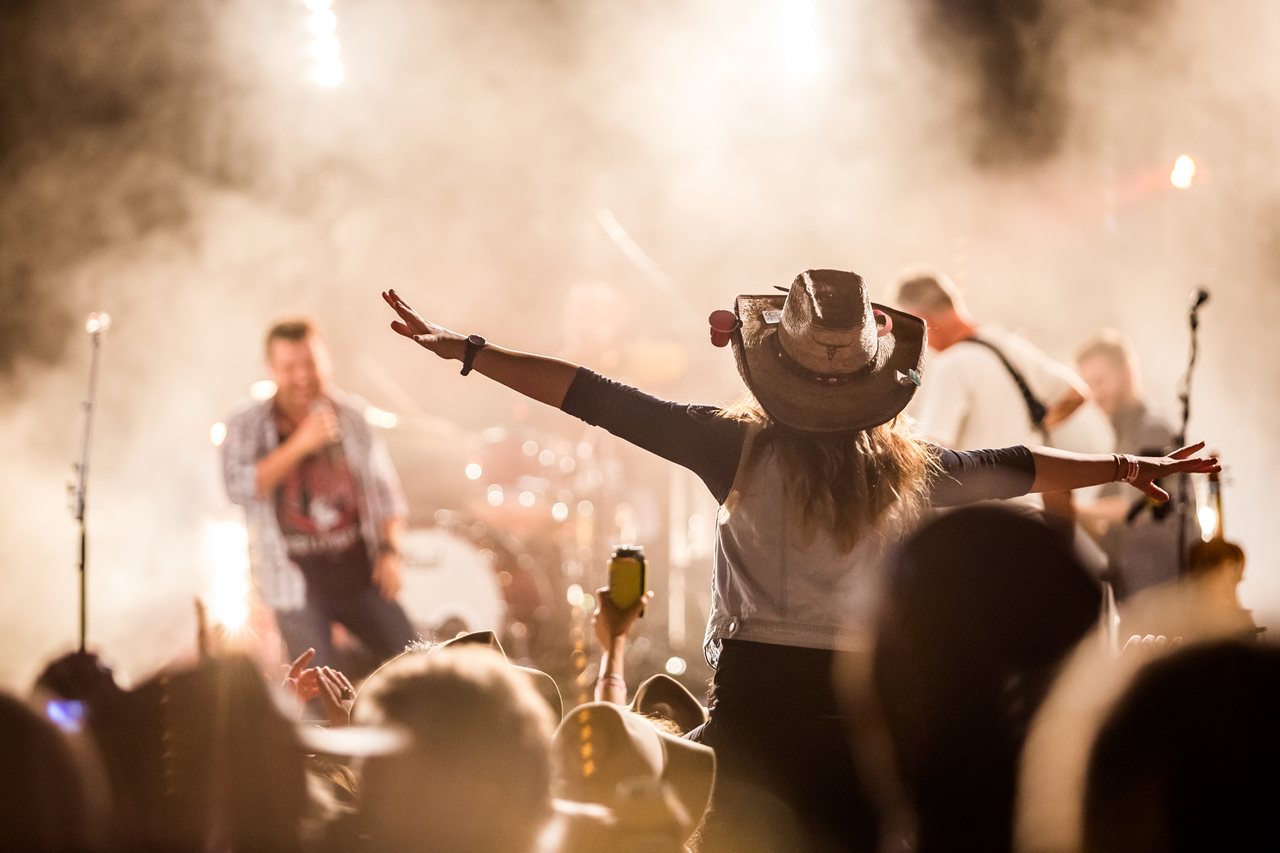
Festivals and touring traditions stitched the culture together. Lollapalooza, launched in 1991, functioned like a traveling city of subcultures: rock, hip hop, industrial, art installations, activism booths, and merch tables coexisting in one day. It modeled a festival as a scene you could enter temporarily, then carry home. Vans Warped Tour later brought a more punk-centered version to parking lots and amphitheaters, mixing skate culture, cheap tickets, and long days of sunburn and discovery. The rituals mattered: trading mixtapes, collecting setlists, lining up early to get close, and learning which songs signaled the encore.
Zines and independent media were the connective tissue. Before feeds and algorithms, a stapled booklet could define a local community. Zines reviewed demos, printed show calendars, argued about politics, and documented tiny venues that would never appear on television. They also spread practical knowledge: how to book a basement show, start a label, or press a seven-inch. That DIY infrastructure helped punk and riot grrrl communities build safer spaces and louder voices, especially for women and marginalized fans who were tired of being treated as outsiders in their own scene.
Politics and benefit culture ran through the decade’s loudest moments. Rock shows raised money for causes, promoted voter registration, and responded to crises with compilations and fundraisers. Sometimes the activism was sincere, sometimes it was messy, but it reinforced the idea that music could be a tool for collective action. Even controversies became cultural flashpoints. Public feuds, onstage meltdowns, and headline-grabbing performances turned bands into symbols of larger anxieties about youth, censorship, and the limits of free expression.
Across the Atlantic, Britpop turned rock into a debate about national identity and class. The media framed band rivalries like sporting events, and the music leaned into local accents, everyday details, and a sense of place. That contrast with American grunge was part of the appeal: different myths for different audiences, both amplified by magazines and television.
By the end of the 90s, rock’s center of gravity shifted, but the cultural blueprint remained. The decade taught fans how to build scenes, argue about authenticity, and turn live music into community memory. If you can still picture a particular video, a battered ticket stub, or the exact moment a crowd sang a chorus back to the stage, you are remembering more than a song. You are remembering a culture that learned to organize itself around noise.