Sampling, Auto Tune, and CD Boom 90s Pop







Quiz Complete!
How 90s Pop Got Its Bigger, Brighter Sound: CDs, Sampling, Remixes, and Early Auto-Tune
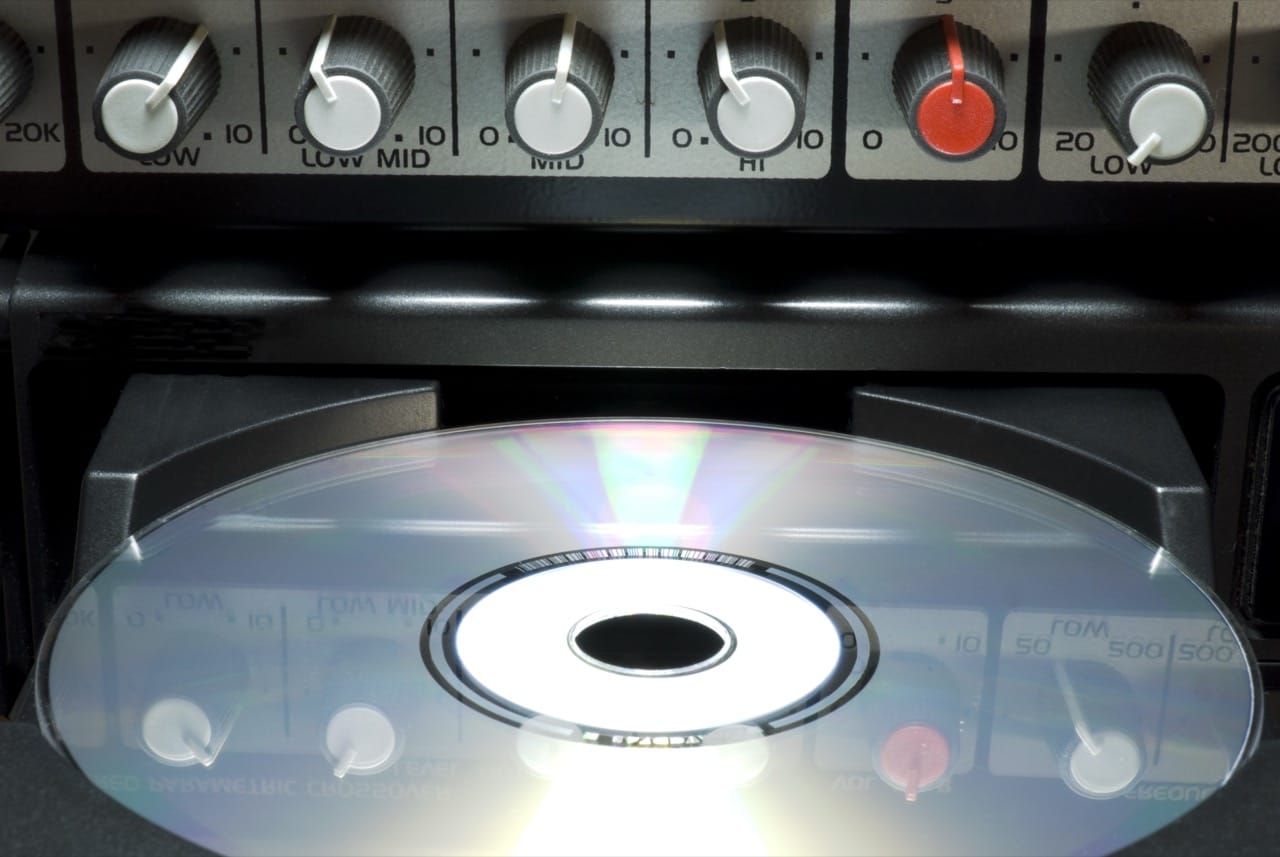
Pop radio in the 1990s didn’t just change because of new stars and new fashions. It changed because the tools, formats, and business behind the music shifted fast, and those shifts made songs sound louder, cleaner, and more adventurous. One of the biggest drivers was the compact disc. CDs offered a wider dynamic range and lower noise than cassette tapes, so labels pushed a shinier, more detailed sound that rewarded careful studio craft. Producers leaned into crisp drums, bright synths, and vocal layers that stayed clear even when the track was packed. At the same time, CD manufacturing and distribution helped fuel a sales boom, and big budgets followed. More studio time and more gear meant more experimentation, from elaborate vocal comping to dense arrangements built from dozens of tracks.
While CDs dominated albums, singles culture was evolving in its own way. In many countries, the CD single became a key product, often stuffed with extra mixes to entice buyers. This fed remix culture, where a hit song could have a radio version, a club mix, a hip-hop remix, and a dub version that barely resembled the original. Remixes weren’t just promotional extras; they could redefine a track’s identity and expand its audience across pop, dance, and R&B. The 12-inch single tradition from earlier decades carried into the 90s through CD and vinyl releases, and DJs and producers became tastemakers who could break a song in clubs before it conquered radio.
Sampling moved from the margins into the mainstream. Affordable samplers and digital audio workstations let producers lift drum breaks, vocal snippets, and instrumental fragments, then chop and rearrange them into something new. Hip-hop had already proven sampling’s creative power, and 90s pop absorbed it: a familiar groove or hook could anchor a brand-new track, instantly recognizable yet freshly repurposed. This also brought legal and ethical debates into public view. As lawsuits and licensing costs rose, some producers shifted toward interpolation, recreating a recognizable part with new performances instead of directly sampling the original recording.
Studio technology also changed how performances were captured. Digital recording and editing made it easier to tighten timing, tune vocals, and build the perfect take from many attempts. Even before pitch correction became a headline topic, engineers were using subtle tools to polish vocals. Then Auto-Tune arrived and, by the late 90s, stepped into the spotlight. Designed to correct pitch transparently, it also had an obvious, robotic effect when settings were pushed hard. That sound hit the charts and became a defining production signature, signaling that pop was comfortable turning technology into an audible style rather than hiding it.
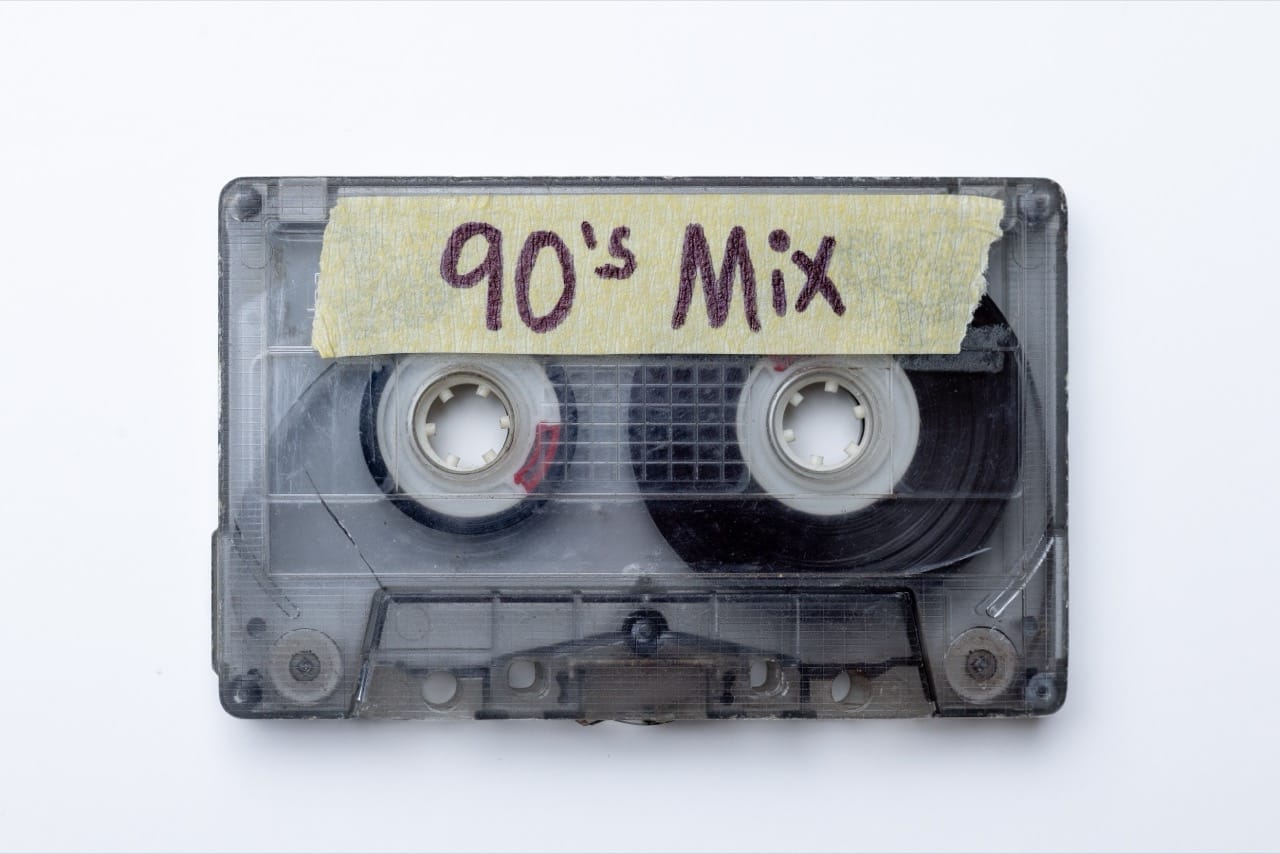
The 90s were full of format wars and listening habits that shaped what became a hit. Many fans still recorded songs off the radio onto cassette, which meant intros had to grab attention quickly and choruses had to land hard. Meanwhile, radio programmers balanced pop, R&B, dance, and alternative influences, creating a competitive environment where a track’s mix mattered. Producers mastered the art of impact: punchy kick drums, tight bass, sparkling highs, and vocals that sat right on top. The result was a decade where pop sounded bigger than ever, not just because of the stars, but because the studio itself became an instrument, and the marketplace rewarded innovation.