Seattle Static and 90s Grunge Flashbacks Bonus Round






Quiz Complete!
Seattle Static and 90s Grunge Flashbacks
Grunge did not arrive as a carefully planned movement. It grew out of a specific place and time, shaped by cheap rehearsal spaces, rainy streets, and a tight network of musicians who borrowed gear, shared bills, and watched each other’s bands. In the mid to late 1980s, Seattle was far from the traditional music industry centers, which gave local artists room to experiment without constant label pressure. The sound that emerged blended punk’s speed and frustration with heavy metal’s weight, then added melodies that could still cut through the distortion. The result felt raw and lived in, like a diary shouted through a broken amplifier.
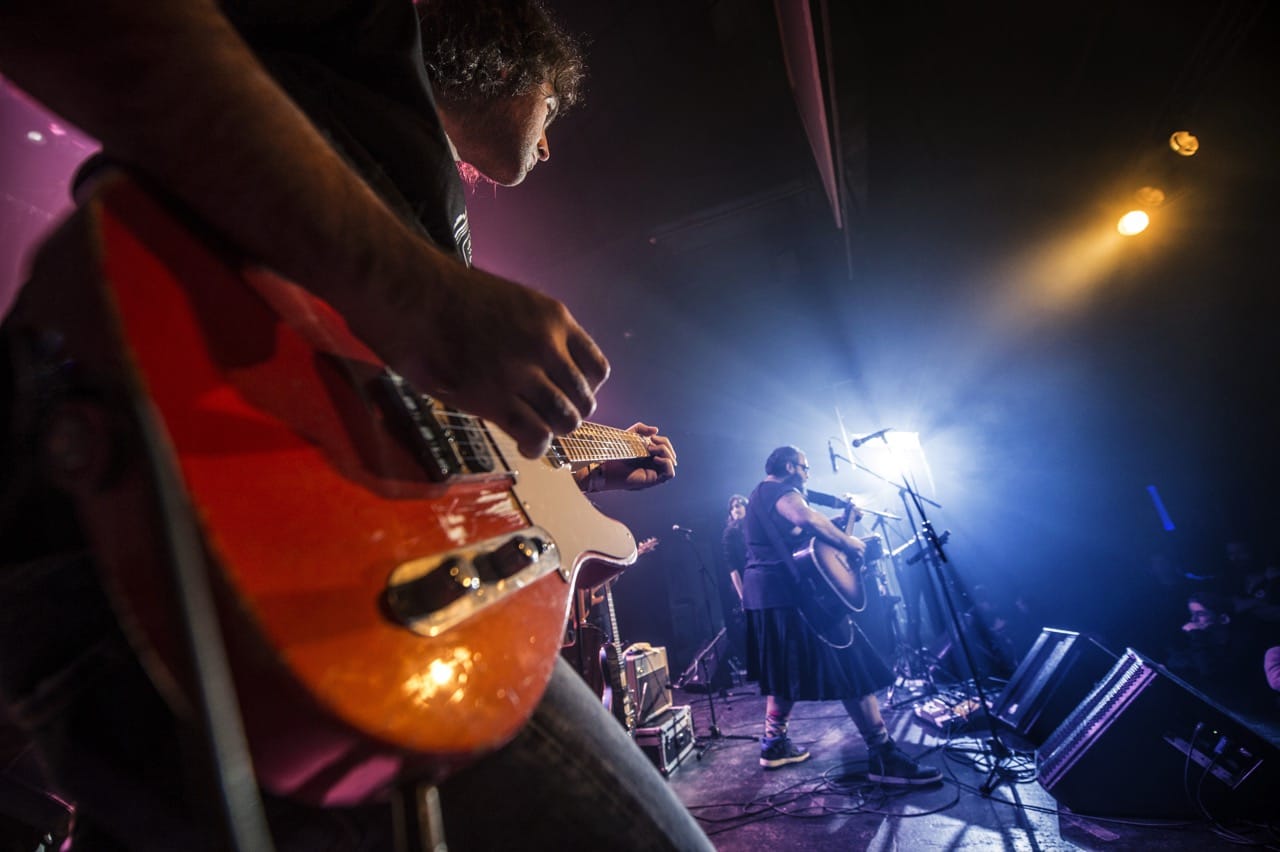
Small venues were crucial. Clubs such as the Crocodile, the Off Ramp, and OK Hotel helped bands build audiences one sweat-soaked show at a time. These rooms also encouraged cross-pollination: musicians drifted between projects, and friendships and rivalries fueled creativity. The scene was never just four or five famous names. It included groups like Mudhoney, Tad, Screaming Trees, and the Melvins, each pushing a different angle of heaviness, sarcasm, or melancholy. That variety is part of why grunge remains hard to pin down as a single sound.
Behind the scenes, independent labels turned local buzz into real distribution. Sub Pop became the most famous, not only for releasing key records but for packaging the scene with a recognizable look and attitude. Their early singles club and striking black-and-white photography helped create a mythology around Seattle. Yet grunge’s rise also depended on bigger industry pathways. Once major labels noticed the growing demand, they signed bands and poured money into recording, touring, and promotion. That shift brought wider reach and better resources, but it also created tension between the scene’s anti-glam instincts and the machinery of mainstream success.
A few landmark releases changed everything. Nirvana’s Nevermind is often treated as the tipping point because its songs were catchy enough for pop radio while still feeling confrontational. Pearl Jam’s Ten brought arena-sized emotion and classic-rock structures to the new mood. Soundgarden’s Badmotorfinger and later Superunknown showcased technical ambition without losing grit. Alice in Chains added a darker, harmonized heaviness that nodded to metal while staying emotionally direct. These albums did not just sell; they reset expectations for what rock could sound like on the radio.
MTV and music journalism amplified the shift. Videos, interviews, and live performances turned regional musicians into global figures, and the camera helped spread the fashion as much as the music. Flannel shirts, worn originally for warmth and affordability, became a symbol. Thrift-store jeans, boots, and unstyled hair were read as statements, even when they were simply practical choices. The irony is that a scene skeptical of image became a major influence on image, from runway collections to teen magazines.
Grunge also collided with film, radio, and changing ideas about youth culture. Soundtracks and movie placements introduced bands to new audiences, while alternative radio formats expanded rapidly to meet demand. Lyrically, grunge made vulnerability, self-doubt, and anger feel speakable in mainstream rock, pulling away from the party narratives that dominated much of the previous decade. The era had its costs, too: relentless touring, addiction, and intense scrutiny took a toll, and the myth of the tortured artist hardened into something both romanticized and damaging.
Even after the commercial peak faded, grunge left lasting fingerprints. It opened doors for more emotionally honest rock, proved that underground scenes could reshape the center, and reminded the industry that authenticity, or at least the feeling of it, can be a powerful force. Remembering grunge means remembering more than a few choruses. It is the story of communities, venues, independent hustle, media lightning strikes, and a sound that made millions feel less alone in their noise.