Sonic Tinkering in 90s Rock Reloaded






Quiz Complete!
Sonic Tinkering in 90s Rock Reloaded
In the 1990s, rock did not just trade guitar tones and fashion trends; it rewired the entire process of making and circulating music. The decade’s most famous sounds often came from surprisingly practical decisions: limited studio time, cheap gear, and a desire to avoid the glossy excess of late-80s production. Yet at the same time, new digital tools, bigger budgets for alternative acts, and a rapidly changing music business pushed rock toward more layered, edited, and aggressively mastered records. The result was a decade where rawness and high-tech polish existed side by side, sometimes inside the same song.
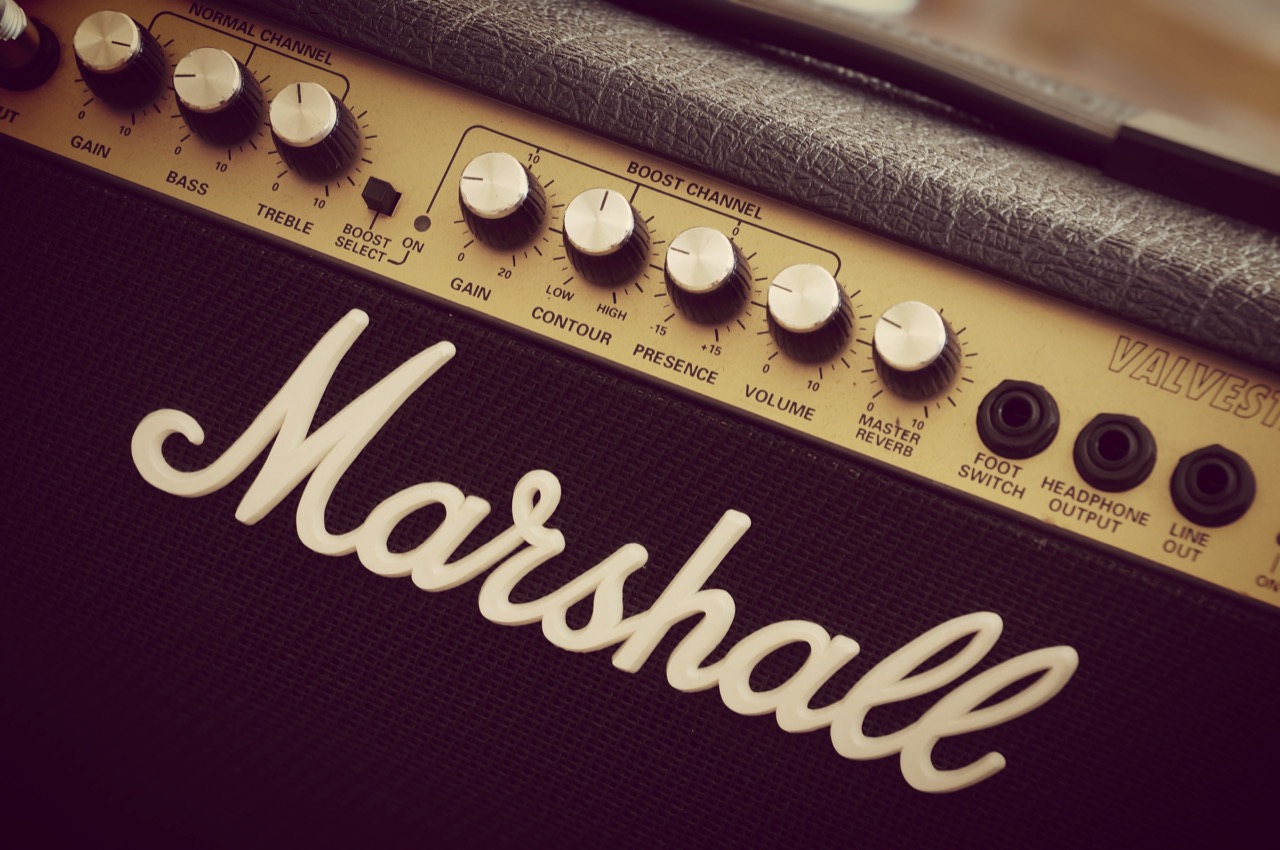
Grunge’s reputation for minimalism was partly aesthetic and partly logistical. Many bands favored straightforward setups: loud amps, few effects, and performances captured with enough imperfections to feel human. Producers and engineers became crucial translators of that attitude. But “raw” rarely meant careless. Careful microphone placement, room selection, and subtle compression could make a track feel immediate without sounding thin. Some landmark sessions leaned into natural drum ambience and midrange-heavy guitars, avoiding the ultra-scooped tones that dominated earlier hard rock. The point was not to sound unprofessional, but to sound believable.
As alternative rock moved from clubs to arenas, studio ambition expanded. Layered guitars, carefully stacked vocals, and more adventurous arrangements became common on radio-friendly records. Producers known for a big, punchy sound helped define the era’s sheen, balancing edge with clarity so songs would translate on car stereos and commercial radio. The 90s also normalized the idea that editing could be part of the performance. Digital audio workstations and early non-linear editing tools made it easier to tighten timing, comp together multiple vocal takes, and experiment with arrangement without physically cutting tape. Even when bands tracked to analog, the finishing process increasingly involved digital steps.
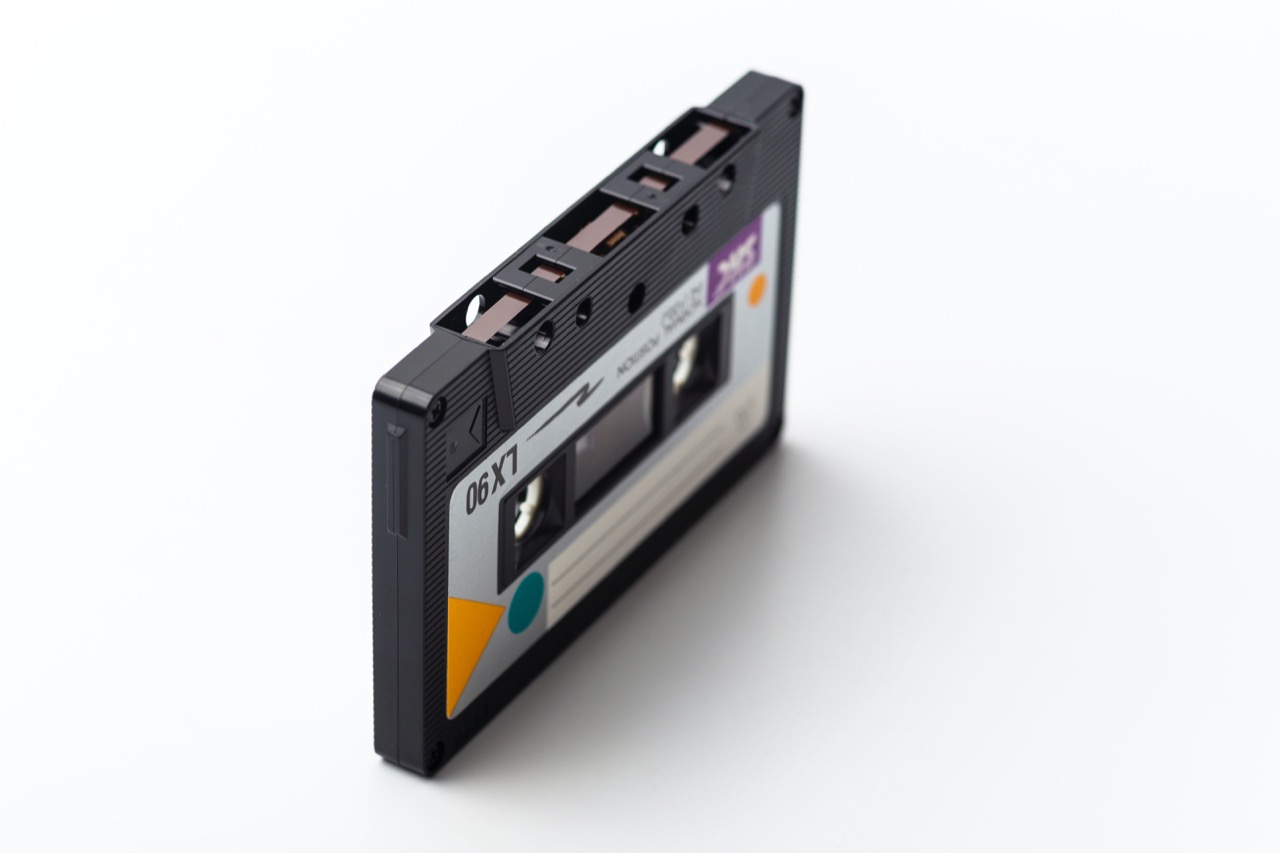
The CD era shaped listening habits and production choices. Compact discs offered lower noise and wider dynamic range than cassettes, but they also encouraged louder masters because louder tracks could seem more exciting in quick comparisons. This fed the early phases of the loudness race, where heavy limiting reduced dynamics in pursuit of constant impact. At the same time, the rise of alternative radio and music television rewarded mixes that hit hard immediately, with bright vocals and drums that cut through small speakers.
Technology also influenced the instruments themselves. Affordable multi-effects units, rack gear, and new generations of pedals let guitarists jump between textures quickly, from shimmering chorus to abrasive distortion. Sampling and loop-based thinking seeped into rock through industrial and electronic crossovers, and drum sounds sometimes blended live kits with triggered samples for consistency. This was not only about replacing musicians; it was about expanding the palette and competing with the precision of electronic music.
One of the decade’s most dramatic shifts was the collision of rock with hip-hop. Rap-rock and related hybrids borrowed rhythmic emphasis, low-end weight, and production techniques like tight gating, punchy kick drums, and turntable textures. The guitar remained central, but the mix often treated the rhythm section with a hip-hop sensibility, prioritizing groove and bass impact. That hybrid approach helped set the stage for late-90s and early-2000s mainstream rock production.
Behind the scenes, scenes mattered as much as studios. Local networks of clubs, labels, and independent radio turned regional sounds into global movements, especially when major labels began scouting underground credibility. The DIY ethic, once a necessity, became a selling point: lo-fi recordings and home-made aesthetics signaled authenticity. As the decade closed, early internet culture began to change discovery. Fan sites, message boards, and the first waves of file-sharing hinted that music would soon travel faster than traditional marketing. By the time the 90s ended, rock had become a laboratory where attitude, technology, and industry pressure all left fingerprints on the sound.