Spooktacular Mystery Quiz


Quiz Complete!
Exploring the Mysteries of Halloween: Legends, Traditions, and Modern Celebrations
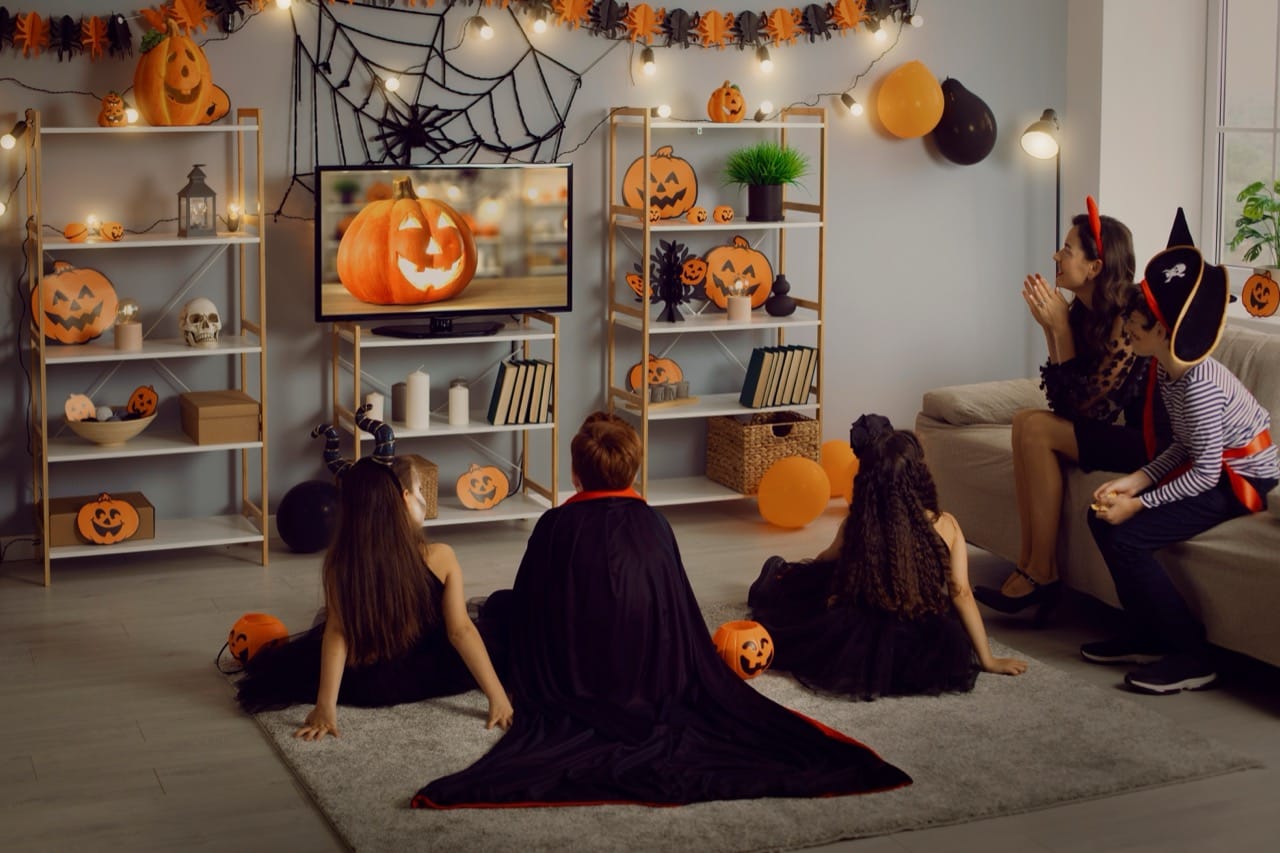
As autumn leaves begin to fall and a chill fills the air, people around the world prepare to celebrate Halloween, a holiday steeped in mystery and tradition. Originating from ancient Celtic festivals, Halloween has evolved over centuries into a beloved celebration marked by costumes, candy, and community. This article delves into the fascinating history of Halloween, exploring the legends and customs that have shaped it into the holiday we know today.
The roots of Halloween can be traced back over 2,000 years to the ancient Celtic festival of Samhain. Celebrated on November 1st, Samhain marked the end of the harvest season and the beginning of winter, a time often associated with death. Celts believed that on the night before, October 31st, the boundary between the worlds of the living and the dead became blurred, allowing ghosts to return to earth. To ward off these spirits, people lit bonfires and wore costumes, a tradition that has persisted in various forms to this day.
With the spread of Christianity, November 1st became known as All Saints' Day, or All Hallows' Day, a time to honor saints and martyrs. The evening before, known as All Hallows' Eve, eventually became Halloween. During this time, many of the old Celtic practices were blended with new Christian traditions, giving rise to the Halloween customs we are familiar with today.
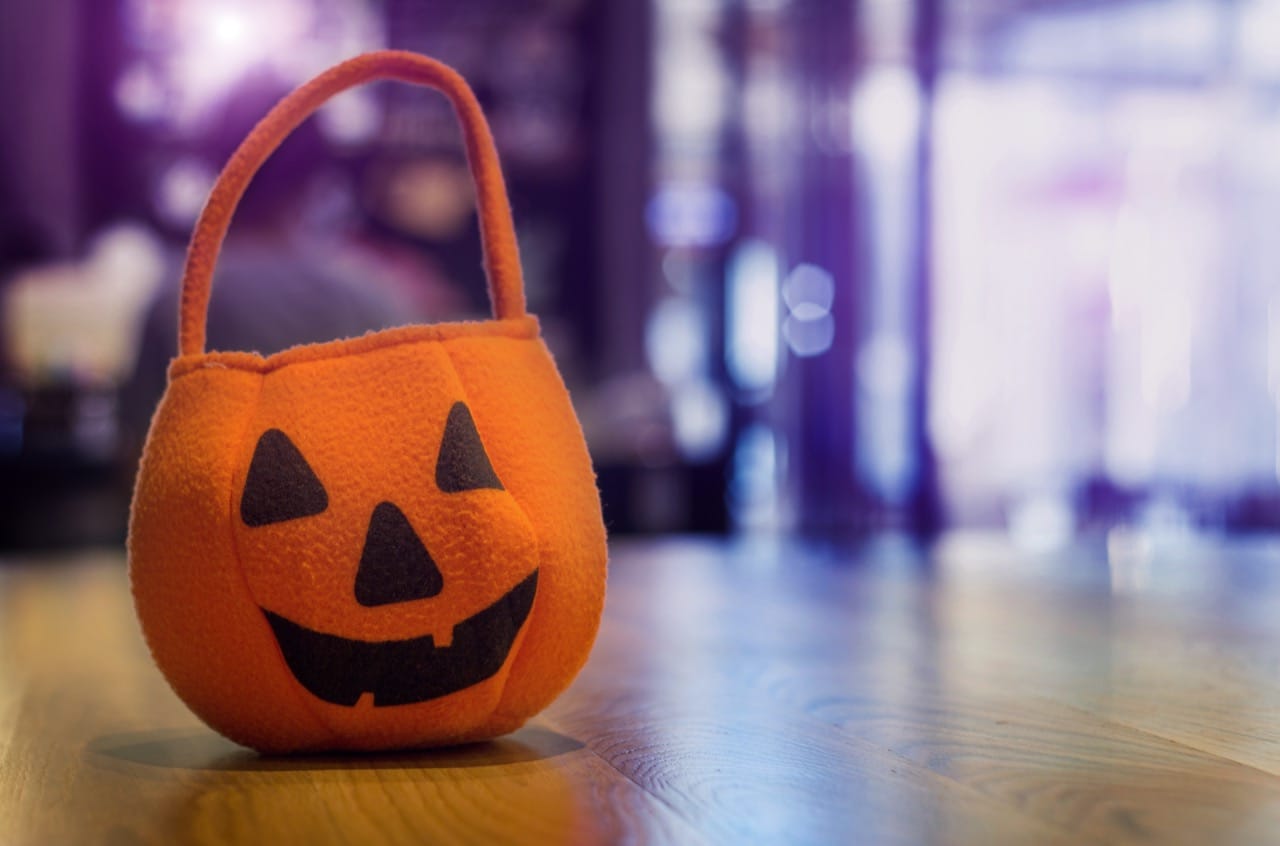
One of the most iconic symbols of Halloween is the jack-o'-lantern. This tradition originates from an Irish myth about a man named Stingy Jack, who tricked the devil and was doomed to wander the earth with only a carved turnip to light his way. When Irish immigrants brought this story to America, they found that pumpkins, native to the New World, were perfect for carving. Thus, the jack-o'-lantern as we know it was born, becoming a staple of Halloween décor.
Trick-or-treating is another hallmark of Halloween, its origins likely tied to the medieval practice of "souling." On All Souls' Day, the poor would go from house to house, receiving food in exchange for prayers for the dead. This evolved into the custom of children dressing up and asking for treats, a practice that has become a central part of Halloween festivities.
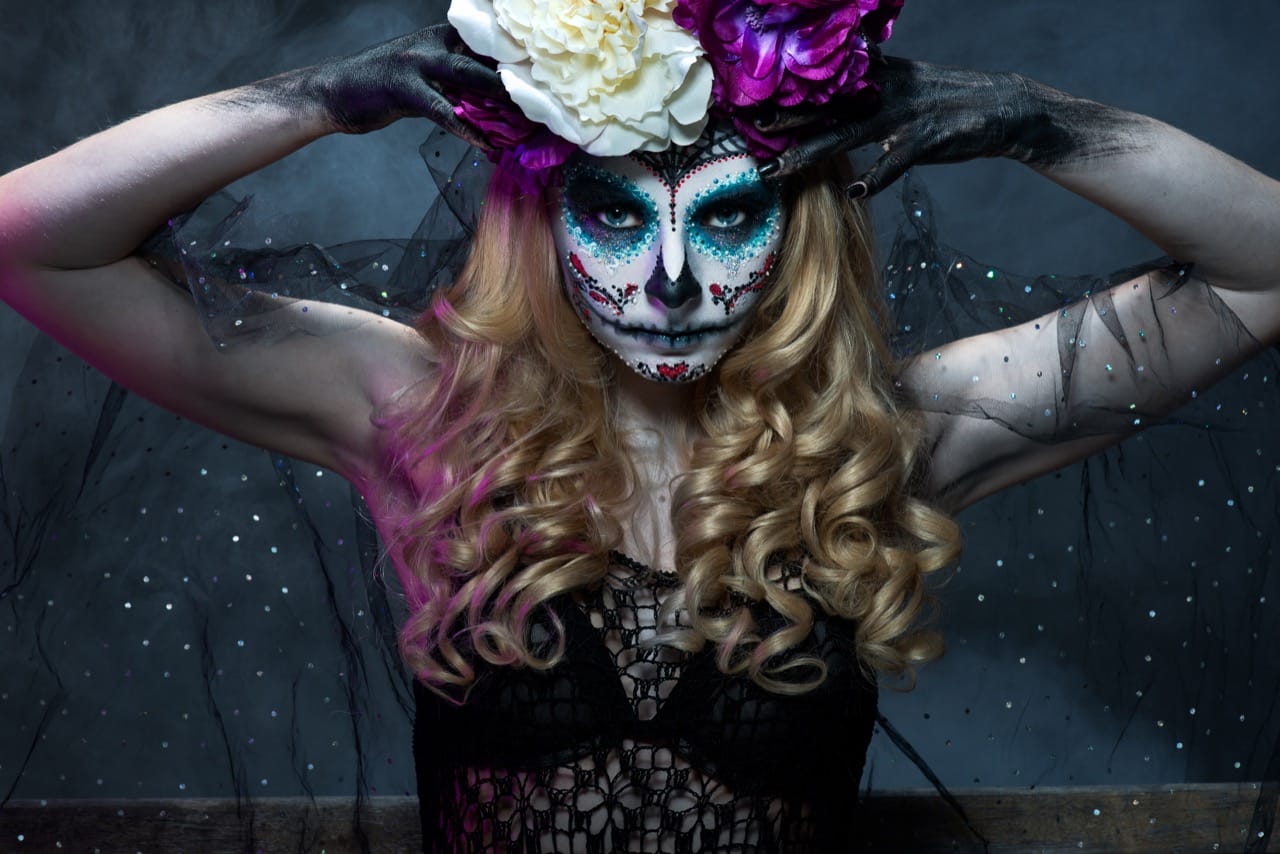
While Halloween is deeply rooted in history, it has also adapted to modern times. Today, Halloween is celebrated in many countries around the world, with each culture adding its unique twist. In Mexico, for example, the Day of the Dead, or Día de los Muertos, blends indigenous traditions with Catholic influences, creating a vibrant celebration of life and death.
In recent years, Halloween has become a major commercial holiday, with people spending billions on costumes, candy, and decorations. Haunted houses, horror movies, and themed attractions have also become popular ways to celebrate the spooky season, providing thrills and chills for people of all ages.
Despite its commercialization, Halloween remains a time for creativity and community. It offers an opportunity for people to express themselves through costumes, engage in playful mischief, and connect with others in their neighborhoods. The holiday's enduring appeal lies in its ability to blend the past with the present, honoring ancient traditions while embracing new ways to celebrate.
As you prepare for this year's Halloween festivities, take a moment to reflect on the rich history and diverse customs that make this holiday so special. Whether you're carving a pumpkin, donning a costume, or simply enjoying a piece of candy, you're participating in a tradition that has captivated people for centuries. So, light a candle, share a ghost story, and enjoy the magic of Halloween, a holiday that continues to enchant and inspire.