Strobe Lights and Studio Tricks of 90s Dance Lightning Round
Quiz Complete!
Strobe Lights and Studio Tricks: How 90s Dance Music Was Built
The 1990s dance boom sounded like pure nightlife energy, but behind the strobe lights was a decade of practical invention. Producers were often working with limited budgets, small rooms, and gear that was never meant to dominate global pop charts. What made the era special was how quickly underground ideas turned into shared techniques, and how new tools helped DJs and producers reshape music into something built for both clubs and radio.
One of the most famous sounds came from a machine that initially disappointed its manufacturer: the Roland TB-303. Designed in the early 1980s to mimic a bass guitar, it ended up being better at making elastic, bubbling lines when its filter and resonance were pushed hard. By the 90s, that squelch had become a calling card for acid techno and acid house, and producers learned that “wrong” uses of equipment could be more exciting than realistic ones. The same spirit applied to drum machines like the Roland TR-909 and TR-808, whose kicks, snares, and hi-hats became a shared vocabulary. Even when producers moved to sampled drums, those classic patterns and sounds remained a reference point.
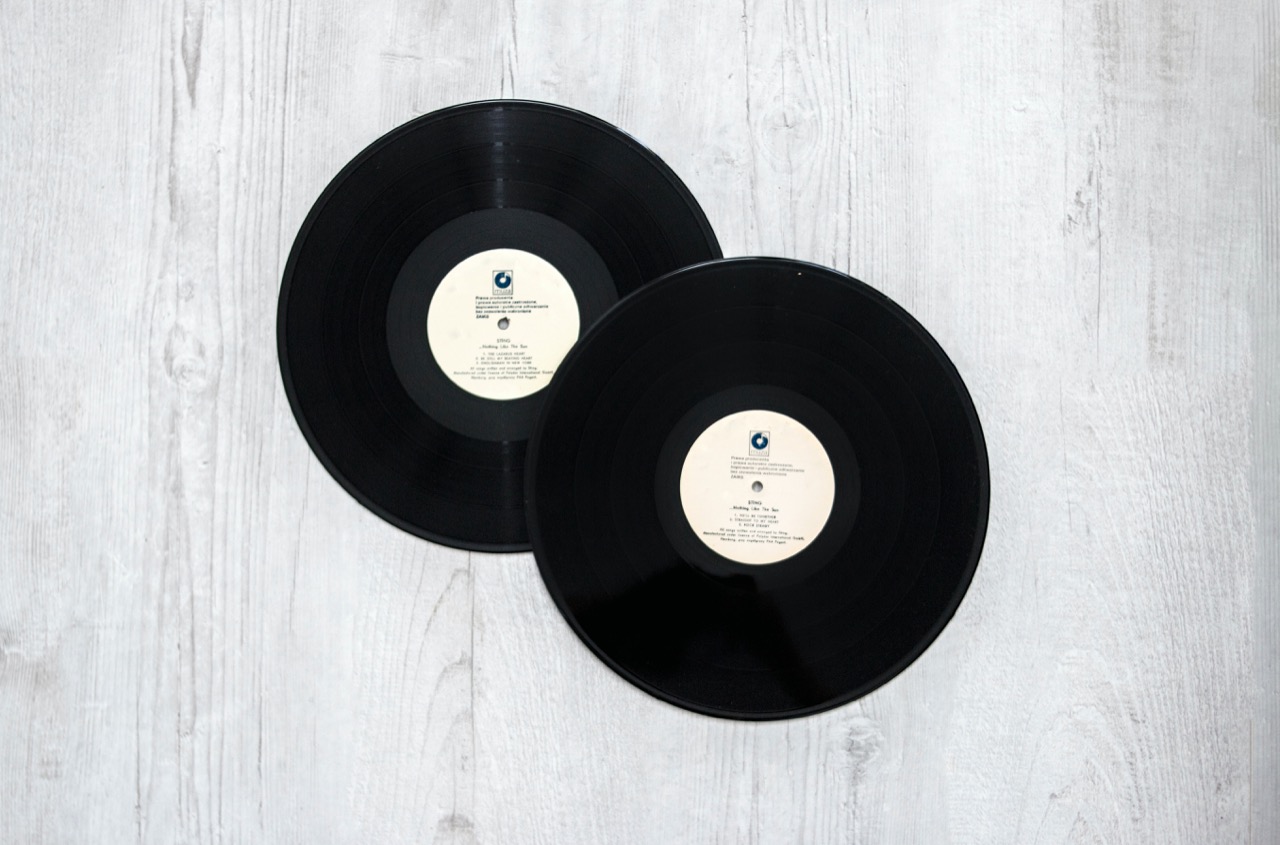
Sampling was the real superpower of 90s dance. Hardware samplers from Akai, E-mu, and Ensoniq let musicians grab tiny moments from vinyl and rebuild them into new grooves. Memory was expensive, so economy became an art: short loops, tightly trimmed hits, and clever pitching to stretch seconds into entire arrangements. This constraint helped shape jungle and drum and bass, where breakbeats were chopped into rapid-fire fragments. Producers would slice famous breaks like the Amen break into individual hits, rearrange them, and layer them with sub-bass designed to be felt as much as heard. Time-stretching and pitch-shifting, once crude, improved through the decade and made it easier to fit samples into new tempos without losing character.
Sequencers and early digital audio workstations also changed the workflow. Instead of recording full performances, many tracks were assembled step by step, using MIDI to control synths and drum machines. This encouraged precision and repetition, but the best producers added subtle variation through swing settings, automation, and tiny timing shifts. Effects became instruments too: delay, reverb, chorus, and especially filter sweeps helped build tension over long DJ-friendly arrangements. The rise of sidechain compression, where the kick drum ducks the rest of the mix, created the breathing pulse that later defined much of trance and house. Even when people didn’t call it by name, they were chasing that physical, pumping feel.
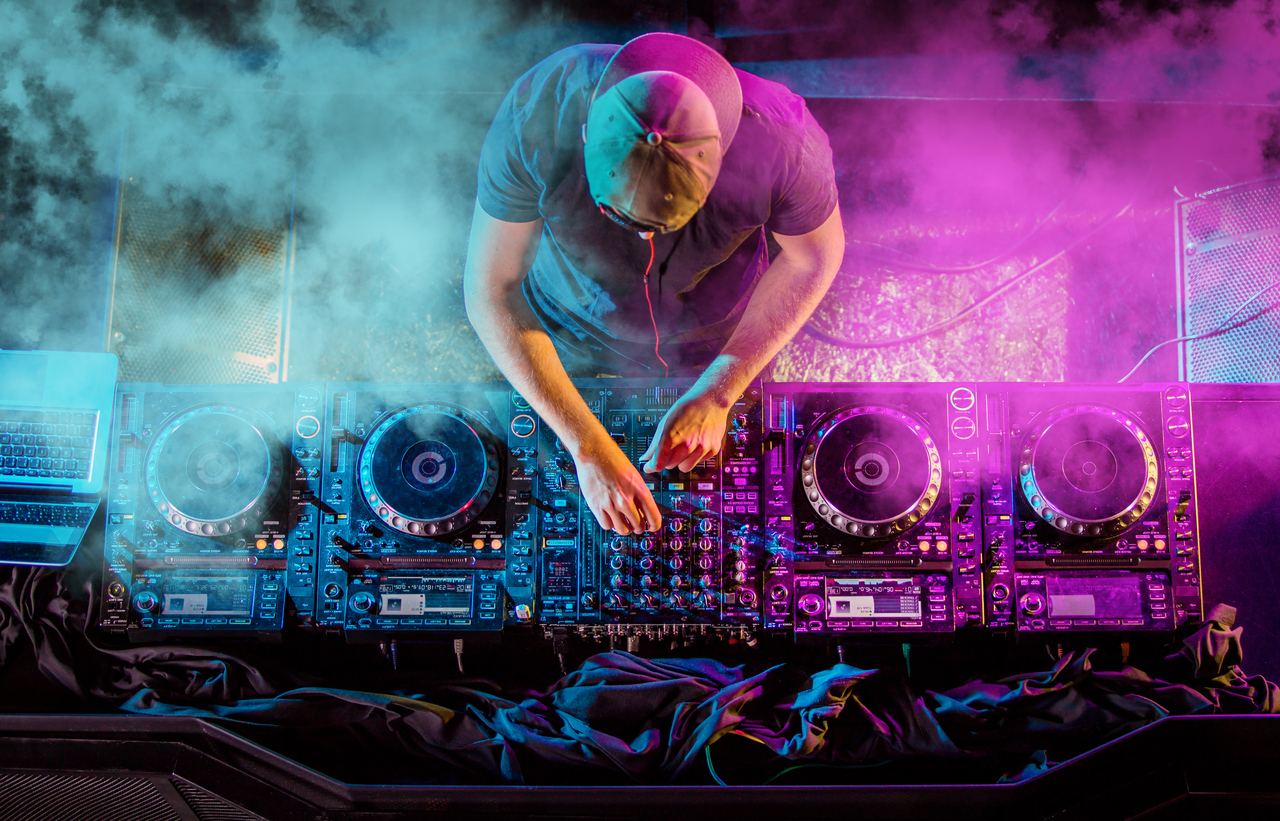
As the sound evolved, so did the culture around it. Rave scenes grew from warehouses and fields into major events, and DJs shifted from being anonymous selectors to recognizable headline artists. The 12-inch single remained crucial because it offered loud, club-optimized mixes and long intros for beatmatching. At the same time, Eurodance and mainstream trance translated underground techniques into big melodies, bright vocals, and structures that worked on radio. The studio became a place where club functionality and pop immediacy could meet, often through remixes that reimagined a song for different dance floors.
By the end of the decade, 90s dance music had proven that innovation didn’t require perfect tools, only curiosity and persistence. The era’s most influential tricks were often solutions to limitations: chopping breaks because memory was short, pushing cheap filters because they sounded alive, and turning DJ needs into arrangement rules. That blend of problem-solving and imagination is why the music still feels futuristic today.