Synth Cities and Rave Myths of the 90s



Quiz Complete!
Synth Cities and Rave Myths of the 90s: How Electronic Music Took Over
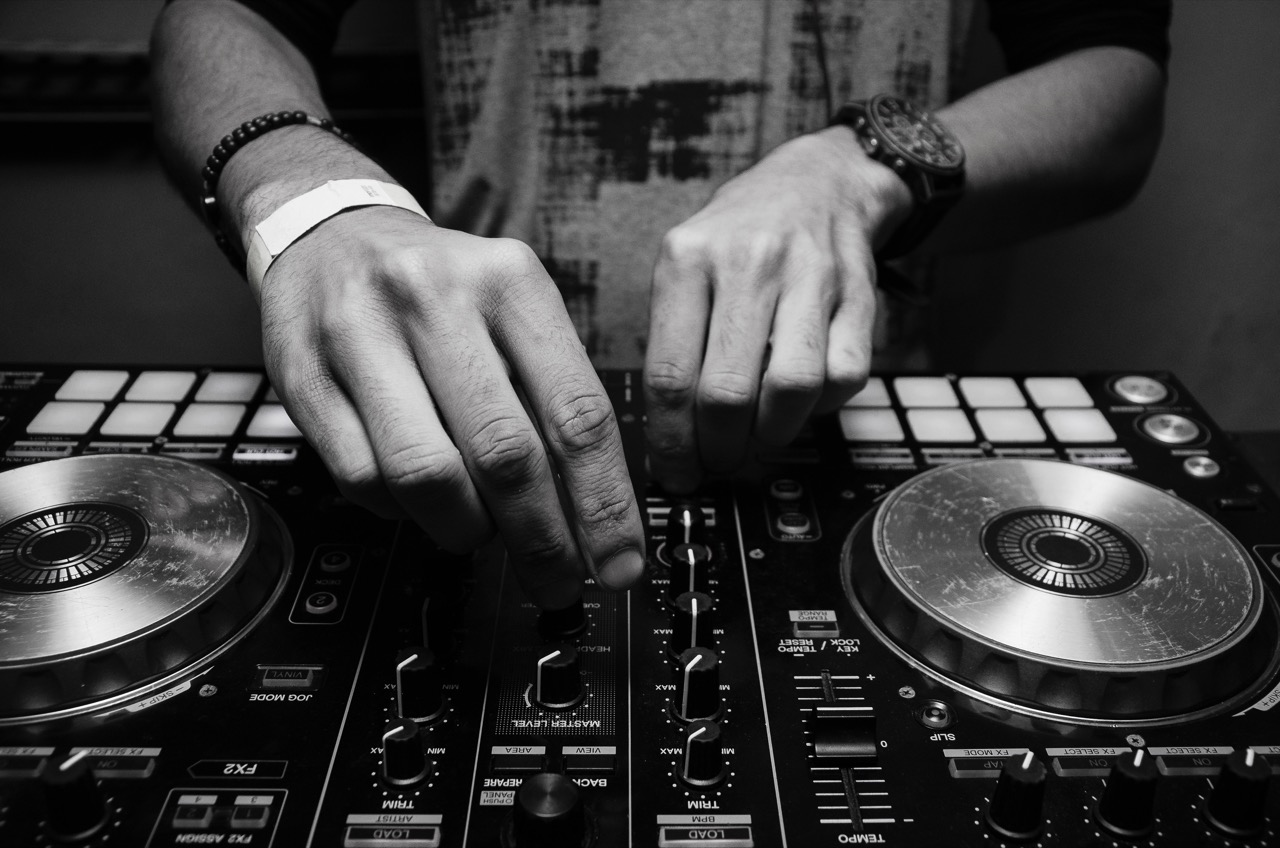
In the 1990s, electronic music stopped being a niche for night owls and became a soundtrack for everyday life. The decade is often remembered as an endless blur of warehouse raves and glow sticks, but the real story is bigger and more surprising: it is about cities building distinct sounds, new technology changing how music was made, and a fast-moving cultural exchange that carried dance music from basements to blockbuster films.
The classic four-on-the-floor kick drum was the heartbeat of much of the era, especially in house and techno, but the 90s were defined by how quickly styles multiplied. In the UK, rave culture splintered into jungle and drum and bass, driven by chopped breakbeats and deep basslines that felt radically different from the steady pulse of house. Those sounds grew through pirate radio, record shops, and mixtapes passed hand to hand. In Germany and the Netherlands, trance developed into something more melodic and euphoric, built for long nights and huge crowds. In the US, regional scenes thrived too, from New York’s club-driven house to Detroit’s techno legacy continuing to influence producers worldwide.
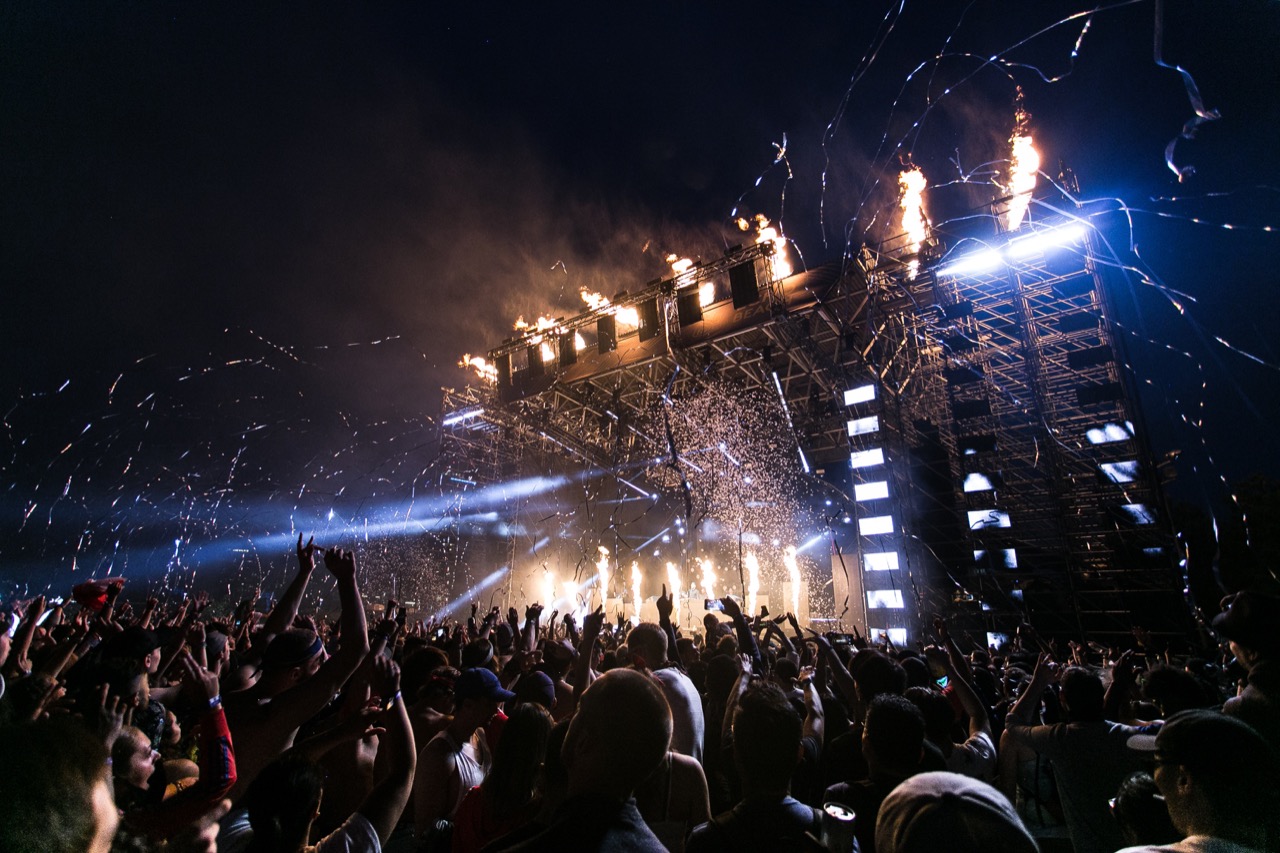
A common myth is that raves were entirely underground until the end of the decade. In reality, mainstream exposure arrived early and often. Electronic tracks and aesthetics were everywhere: in TV ads, sports arenas, and movie soundtracks that used dance music to signal modernity and speed. Some artists crossed over without losing their edge, while others polished their sound for radio. The rise of big beat is a perfect example. It took breakbeats, rock attitude, and catchy hooks, then delivered festival-ready anthems that fit just as easily in clubs as they did in car commercials.
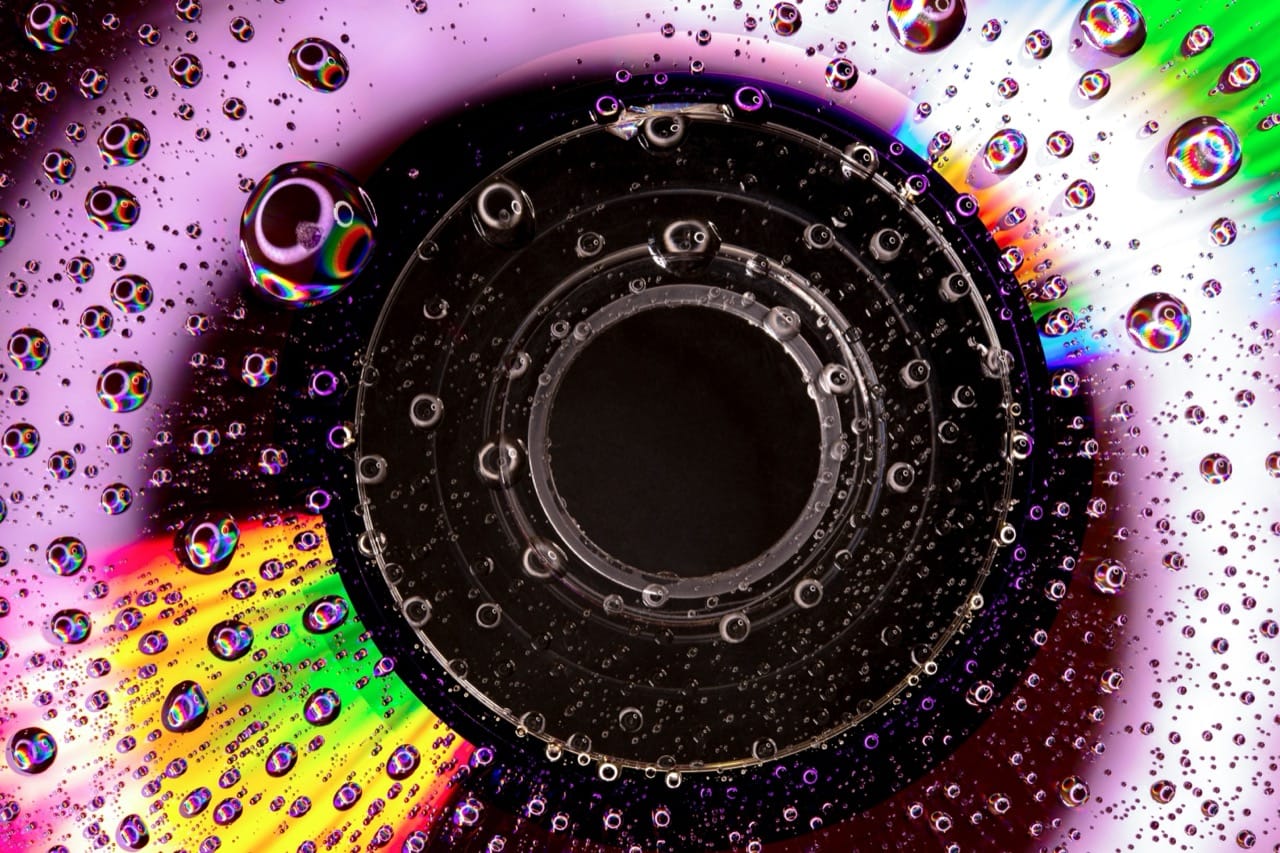
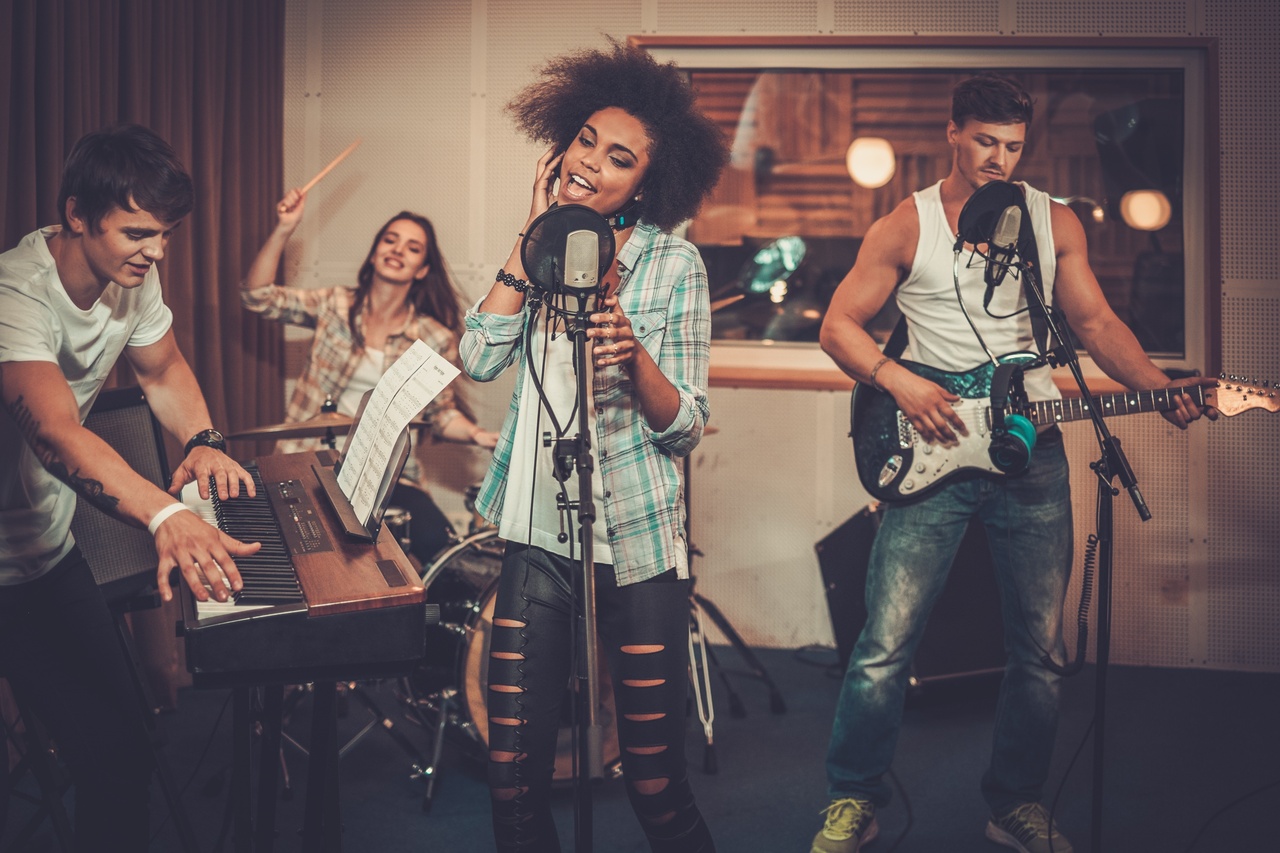
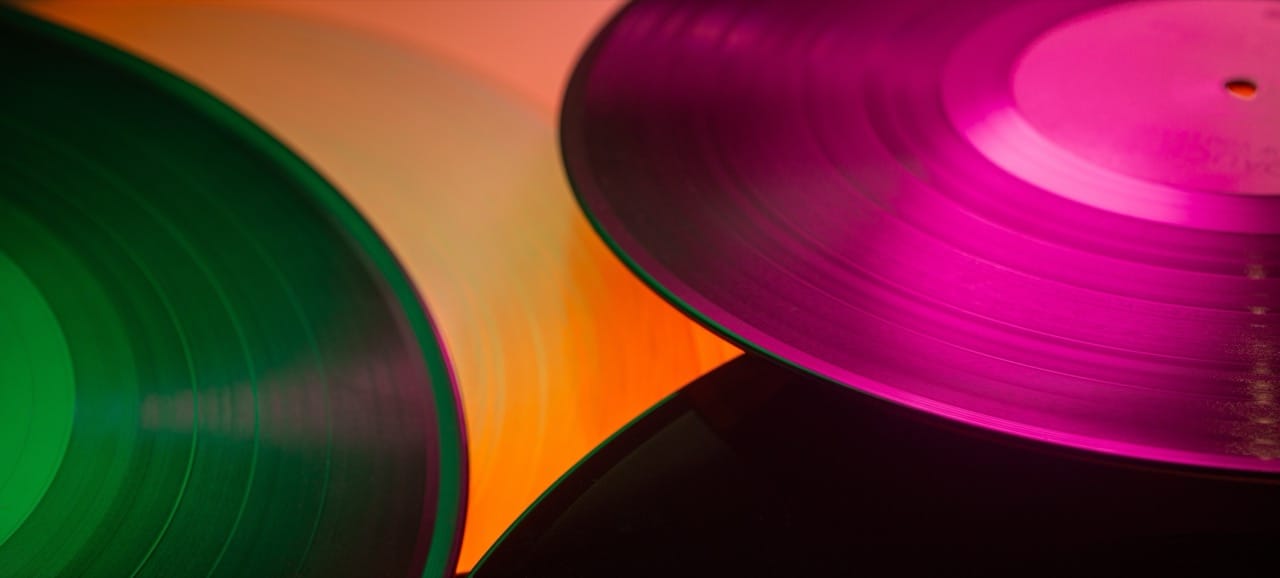
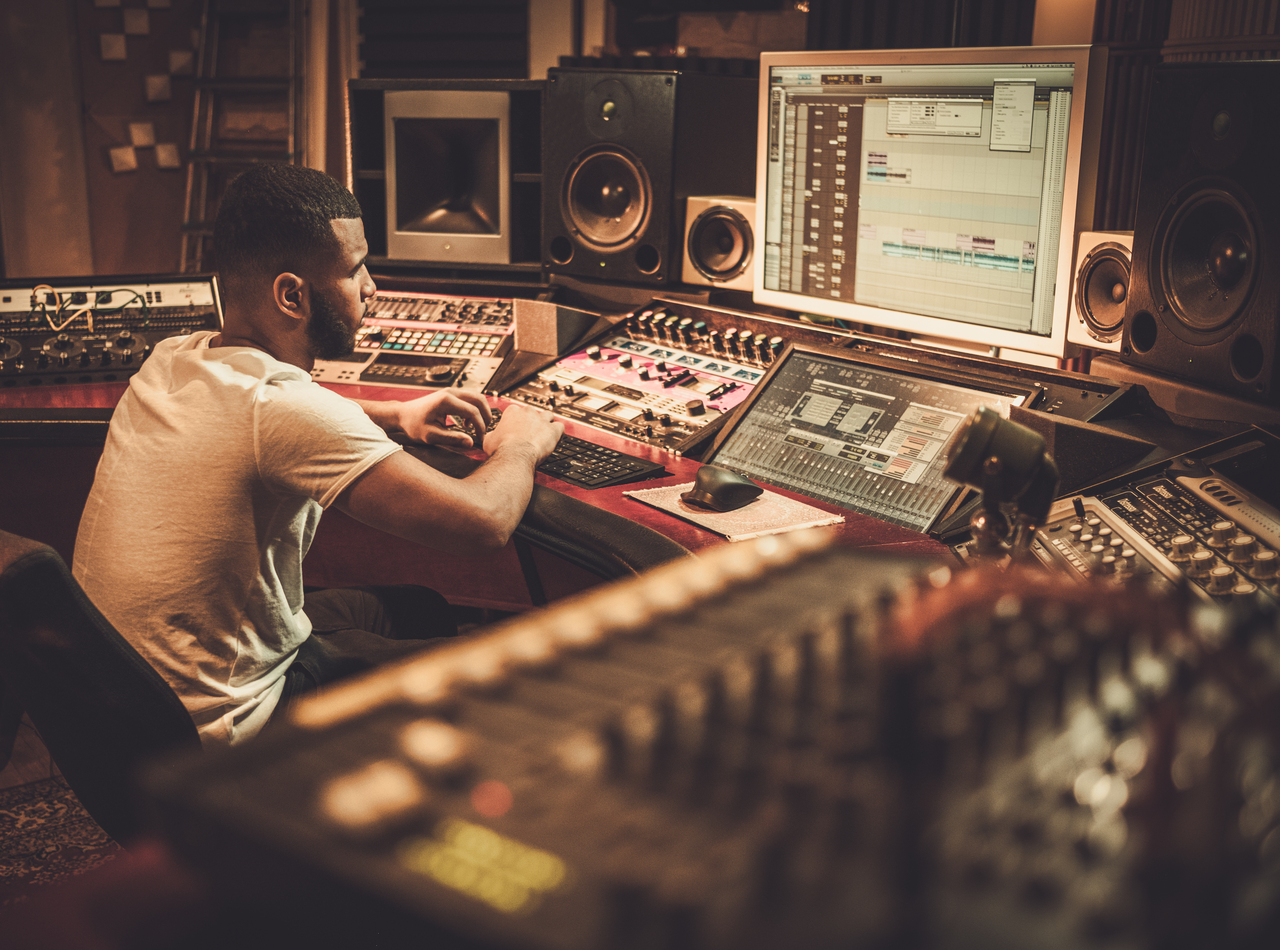
Technology was the quiet revolutionary behind the scenes. Affordable samplers and drum machines let producers build tracks from tiny fragments of existing recordings, from funk drum breaks to vocal one-liners. The Akai sampler family, Roland grooveboxes, and increasingly capable home computers turned bedrooms into studios. Software-based production began to matter more as the decade progressed, and digital audio editing made it easier to stretch, slice, and rearrange sounds in ways that shaped jungle, trip hop, and experimental techno. Just as important was the way music spread: white-label vinyl allowed DJs to test tracks quickly, while compilation CDs introduced casual listeners to entire subgenres in one purchase.
Clubs and labels functioned like engines of discovery. A single residency could define a city’s taste, and a respected label could turn a local sound into an international movement. DJs became recognizable names, not just anonymous selectors, as mix albums and radio shows showcased their ability to guide a crowd through peaks and resets. The idea of the DJ as headliner, now taken for granted, solidified in the 90s when promoters realized that a great set could be the main event.
Fashion and identity traveled with the music. Rave style mixed sportswear, bright colors, and practical comfort for all-night dancing, while other scenes leaned into minimalism or futuristic looks. The decade also pushed conversations about club safety, drug culture, and policing, reminding everyone that dance music spaces were not just parties but social worlds with their own rules and risks.
If the 90s taught anything, it is that electronic music thrives on crossover. It borrowed from hip-hop sampling, reggae sound system culture, rock’s stadium ambition, and pop’s sense of melody. That constant exchange is why the era still feels alive: today’s festival drops, streaming playlists, and producer-led hits all trace back to the moment when synth cities, rave myths, and new machines reshaped what popular music could be.